
Natural Wooden Acoustics Solutions
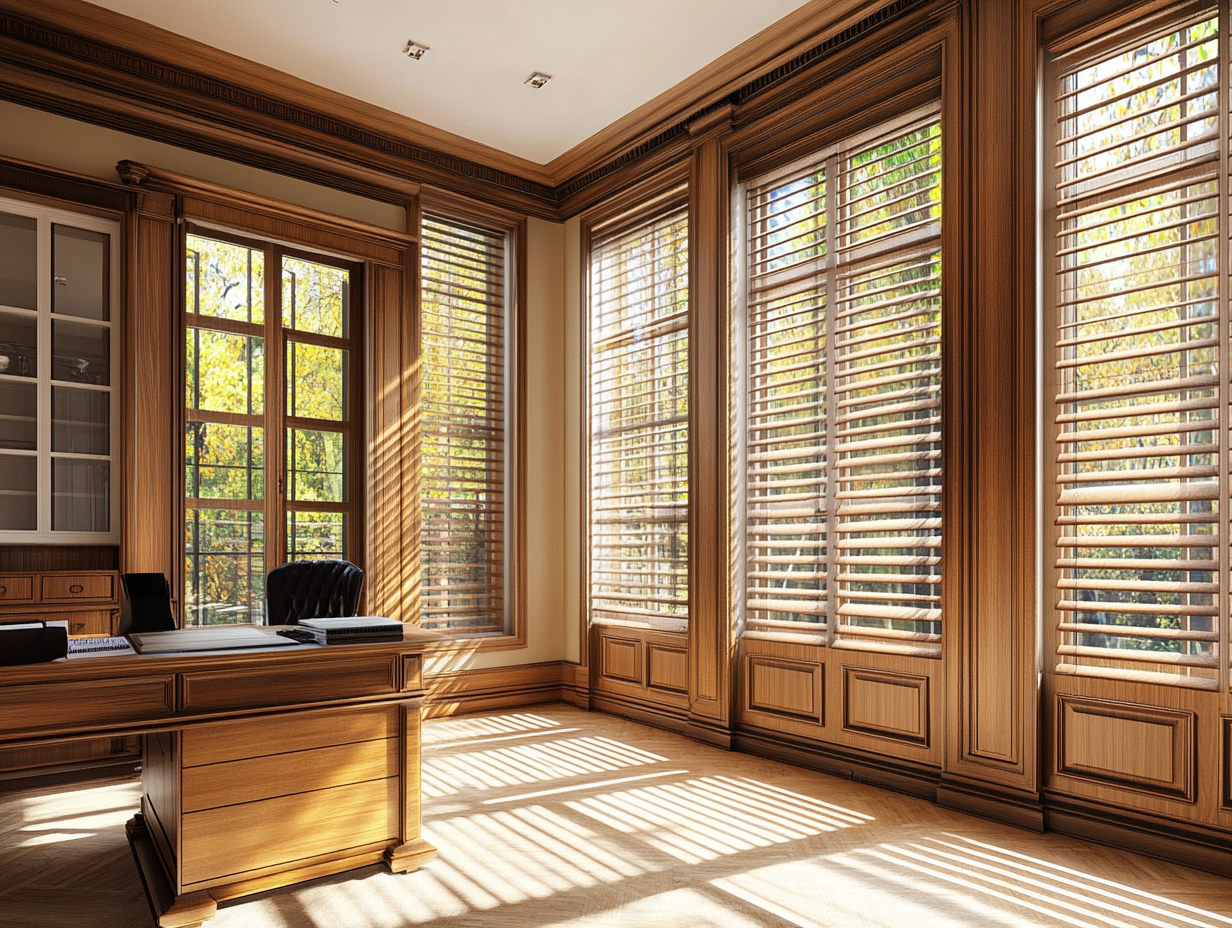
Wooden Acoustic Panels: The Easy Way to Cut Noise and Boost Productivity
We live in a noisy world. From the incessant hum of traffic to the chatter of open-plan offices, unwanted sounds are a constant companion. This noise pollution isn’t just irritating; it actively hinders concentration, increases stress levels, and ultimately impacts productivity. Sound waves bouncing off hard surfaces create reverberation and echo, muddying sounds and making it difficult to focus. The solution? Harnessing the power of acoustic treatment, and specifically, the elegant simplicity of wooden acoustic panels.
Before diving into solutions, it’s crucial to understand the problem. Reverberation time (RT60) measures how long it takes for a sound to decay in a room. Longer RT60s indicate excessive echo and poor acoustics. Factors like room size, shape, and the materials used in construction all contribute to the acoustic environment. A small, carpeted room will naturally have better acoustics than a large, bare-walled space. Identifying the acoustic challenges specific to your environment is the first step toward implementing effective solutions. Common acoustic problems include:
Echoes: Distinct repetitions of sound caused by reflections.
Reverberation: A prolonged sound effect caused by multiple reflections.
Sound Bleed: Noise traveling from one room to another.
Standing Waves: Areas of amplified or reduced sound due to room geometry.
Wooden acoustic panels offer a stylish and effective way to combat these acoustic challenges. Unlike bulky, unsightly foam panels, wooden panels seamlessly integrate into any décor. They work by absorbing sound waves, reducing reverberation, and improving speech intelligibility. The magic lies in their construction. Typically, a perforated or slotted wooden surface is backed by a sound-absorbing material like mineral wool or acoustic felt. Sound waves enter the perforations or slots and are then absorbed by the backing material, converting sound energy into heat.
The advantages of installing wooden acoustic panels extend far beyond simply reducing noise levels. Consider these significant improvements:
Enhanced Productivity: A quieter environment allows for improved concentration and focus, leading to increased productivity in workplaces and home offices.
Improved Communication: Reduced reverberation enhances speech clarity, making conversations easier to understand in conference rooms, classrooms, and even restaurants.
Reduced Stress: Constant exposure to noise increases stress levels and can negatively impact overall well-being. Acoustic panels create a more peaceful and relaxing environment.
Aesthetic Appeal: Wooden panels add a touch of sophistication and elegance to any space, complementing existing décor and creating a visually pleasing environment.
Increased Privacy: By reducing sound bleed, acoustic panels can enhance privacy in offices, meeting rooms, and residential spaces.
Selecting the appropriate wooden acoustic panels depends on several factors:
Room Size and Shape: Larger rooms generally require more panels.
Acoustic Needs: The specific acoustic challenges you’re facing will influence the type and quantity of panels needed.
Aesthetic Preferences: Wooden panels come in a variety of styles, finishes, and colors to match your décor.
Panel Thickness and Density: Thicker, denser panels generally offer better sound absorption.
Perforation or Slot Design: The pattern and density of perforations or slots affect the panel’s acoustic performance.
Consulting with an acoustic specialist can help you determine the optimal panel configuration for your specific needs. Consider factors like the Noise Reduction Coefficient (NRC) rating, which indicates a panel’s ability to absorb sound.
One of the most appealing aspects of wooden acoustic panels is their ease of installation. Many panels are designed for simple DIY installation using basic tools and hardware. Common installation methods include:
Adhesive Mounting: Applying adhesive directly to the back of the panel and pressing it against the wall.
Z-Clip Mounting: Attaching Z-clips to the wall and the back of the panel, allowing for easy hanging and removal.
Screw Mounting: Directly screwing the panel into the wall using appropriate anchors.
Always follow the manufacturer’s instructions for proper installation. Ensure the surface is clean and dry before applying any adhesive or mounting hardware.
While often associated with offices and recording studios, wooden acoustic panels are versatile enough for a wide range of applications:
Home Theaters: Create an immersive cinematic experience by reducing reverberation and improving sound clarity.
Restaurants and Bars: Lower noise levels and improve communication between patrons.
Classrooms: Enhance speech intelligibility and reduce distractions for students.
Music Rooms and Studios: Achieve optimal acoustics for recording and practice.
Residential Spaces: Create a more peaceful and comfortable living environment.
As we become increasingly aware of the impact of noise pollution, the demand for effective acoustic solutions will continue to grow. Wooden acoustic panels offer a sustainable and aesthetically pleasing way to create quieter, more productive, and more enjoyable environments. By investing in acoustic treatment, you’re investing in the well-being of yourself and those around you. Embrace the symphony of silence and experience the transformative power of wooden acoustic panels.