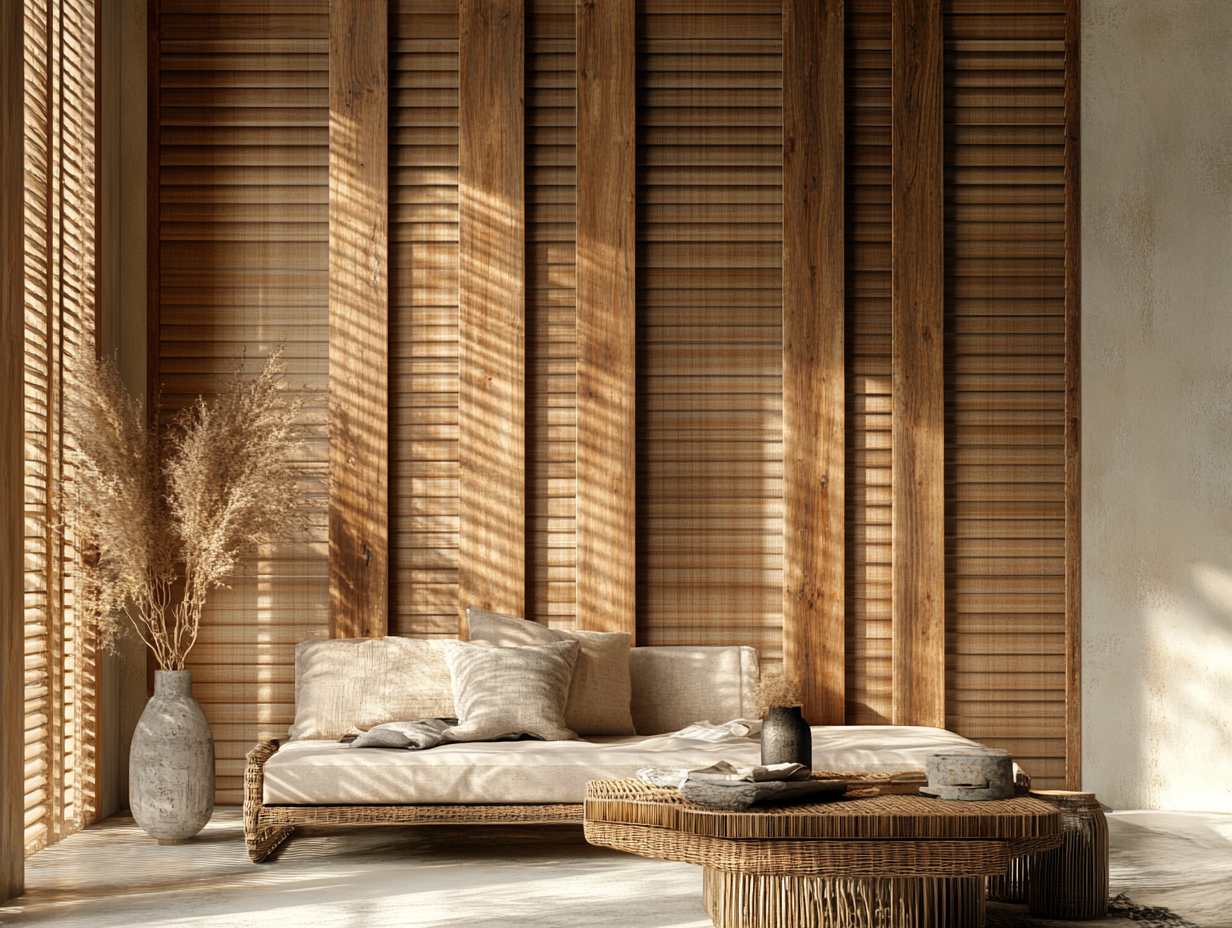
Wooden Acoustic Panels: The Key to Better Sound in Your Space

Understanding how Wooden Acoustic Panels help in sound dampening should be the focus of the article.

“`html

Wooden Acoustic Panels: The Key to Better Sound in Your Space

The Silent Symphony of Sound

We often think of sound as something to be amplified, broadcast, or enjoyed through headphones. But what about the unwanted sounds, the echoes, the reverberations that muddy our auditory experience? This is where the silent symphony of sound absorption comes into play, and wooden acoustic panels are conducting the orchestra.

The Problem: Untreated Spaces and Unwanted Reverberation

Imagine a bustling restaurant, a modern office, or even your own home theater. Without proper acoustic treatment, these spaces can become sonic battlegrounds. Sound waves bounce off hard surfaces like walls, floors, and ceilings, creating echoes and prolonged reverberation. This not only makes it difficult to understand conversations but also contributes to stress, fatigue, and a general sense of unease.

The Solution: Wooden Acoustic Panels – Beauty Meets Function

Wooden acoustic panels offer an elegant and effective solution to these acoustic challenges. They are designed to absorb sound waves rather than reflect them, significantly reducing reverberation and improving overall sound clarity. But unlike bulky, purely functional acoustic solutions, wooden panels seamlessly integrate aesthetics with performance.

How Wooden Acoustic Panels Work: Sound Absorption Explained

The effectiveness of wooden acoustic panels lies in their construction. They typically consist of a wooden surface, often with strategically placed perforations or slots, bonded to a sound-absorbing core material, such as mineral wool or acoustic foam. Here’s a breakdown of the absorption process:

  • Sound Wave Entry: Sound waves enter the panel through the perforations or slots in the wooden surface.
  • Energy Conversion: As the sound waves pass through these openings and interact with the core material, their acoustic energy is converted into heat through friction.
  • Reduced Reflection: This energy conversion reduces the amount of sound reflected back into the room, minimizing reverberation and echo.

The size, shape, and spacing of the perforations, as well as the thickness and density of the core material, all influence the panel’s absorption characteristics. Different panel designs are optimized to absorb specific frequencies, allowing for tailored acoustic control.

Beyond Aesthetics: The Benefits of Wooden Acoustic Panels

Wooden acoustic panels offer a multitude of benefits beyond just sound absorption:

  • Improved Speech Intelligibility: By reducing reverberation, panels make it easier to understand conversations in noisy environments.
  • Enhanced Audio Clarity: In recording studios, home theaters, and listening rooms, panels create a more pristine and accurate sound environment.
  • Reduced Noise Levels: Panels contribute to a quieter and more comfortable space by absorbing excess sound energy.
  • Stylish Design: Available in a wide range of finishes, colors, and patterns, wooden panels can enhance the visual appeal of any space.
  • Sustainable Materials: Many wooden acoustic panels are made from sustainably sourced wood and eco-friendly core materials.
  • Increased Productivity: In office environments, reduced noise levels can lead to improved focus and productivity.

Applications: Where Wooden Acoustic Panels Shine

Wooden acoustic panels are versatile and can be used in a wide variety of settings:

  • Offices: Conference rooms, open-plan offices, reception areas
  • Restaurants and Bars: Dining areas, bars, lounges
  • Home Theaters: Dedicated home theaters, media rooms
  • Recording Studios: Vocal booths, control rooms, live rooms
  • Auditoriums and Theaters: Performance spaces, lecture halls
  • Educational Facilities: Classrooms, libraries, music rooms
  • Residential Spaces: Living rooms, bedrooms, home offices

Choosing the Right Wooden Acoustic Panels: Key Considerations

Selecting the appropriate wooden acoustic panels requires careful consideration of several factors:

  • Room Size and Shape: Larger rooms generally require more extensive acoustic treatment.
  • Sound Frequency: Identify the dominant frequencies you want to control (e.g., low-frequency bass, mid-frequency speech).
  • Aesthetic Preferences: Choose panels that complement the existing décor and style of the space.
  • Panel Thickness and Density: Thicker and denser panels typically offer better low-frequency absorption.
  • NRC Rating (Noise Reduction Coefficient): This rating indicates the panel’s ability to absorb sound; a higher NRC value signifies better absorption.
  • Mounting Options: Consider how the panels will be mounted (e.g., wall-mounted, ceiling-mounted, free-standing).

Installation: Bringing the Symphony to Life

While some acoustic panel installations can be DIY projects, complex or large-scale installations are best left to professionals. Proper installation ensures optimal performance and longevity.

Investing in Better Sound: A Worthwhile Upgrade

Wooden acoustic panels are more than just a decorative element; they are an investment in the overall comfort, functionality, and aesthetic appeal of your space. By taming unwanted reverberation and enhancing sound clarity, these panels create a more pleasant and productive environment for everyone.

Ready to Transform Your Space?

Explore our wide selection of wooden acoustic panels and discover the perfect solution for your acoustic needs. Contact us today for a consultation and let us help you create a space that sounds as good as it looks.

“`