
Natural Wooden Acoustics Solutions
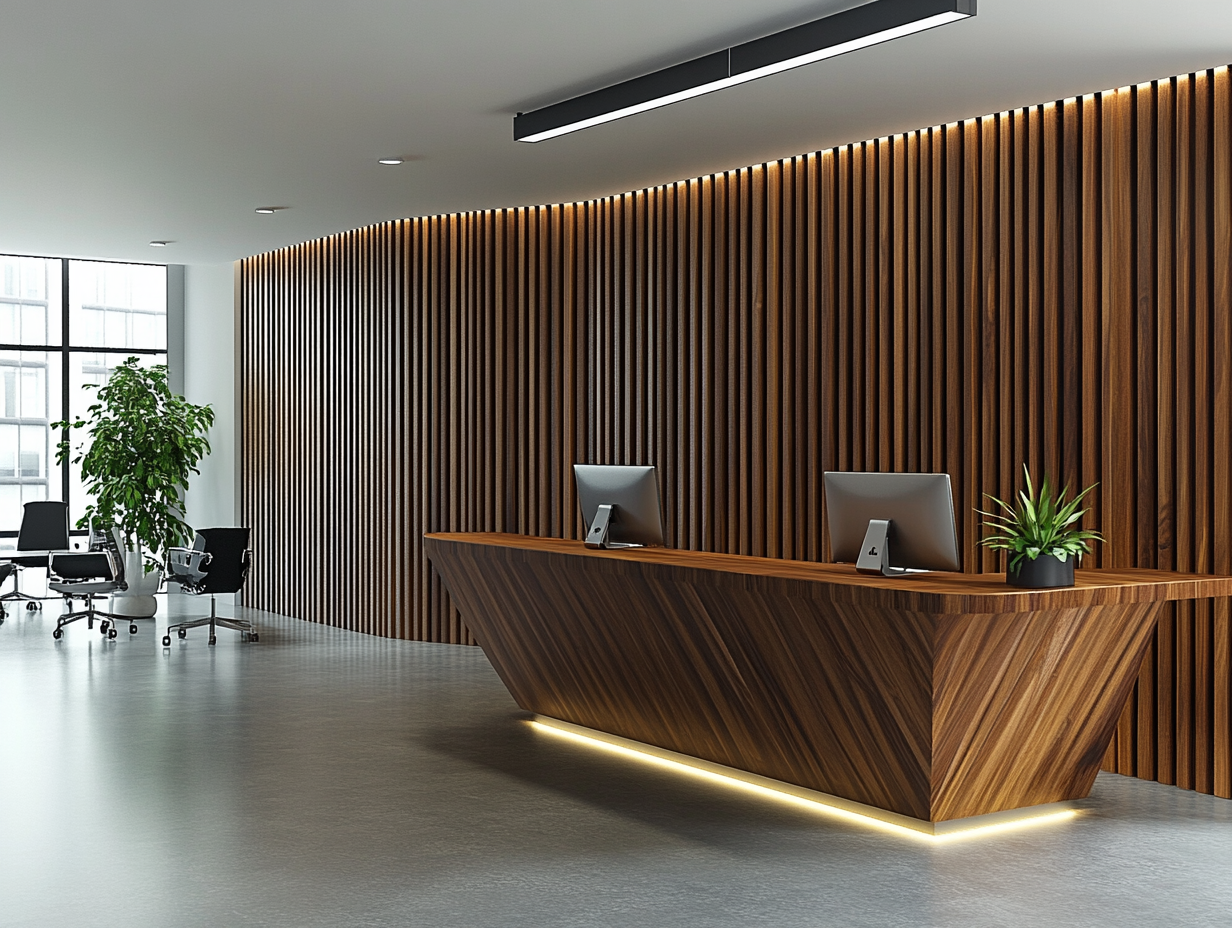
Wooden Acoustic Panels: The Cure for Echoing Rooms & Distracting Noise
Achieving auditory bliss in your home, office, or studio can feel like an uphill battle. Echoes bounce endlessly, conversations bleed into each other, and focus becomes a distant dream. The solution? Often, it’s simpler and more elegant than you think: Wooden Acoustic Panels. Beyond their aesthetic appeal, these panels offer a powerful and natural way to control sound, transforming disruptive spaces into havens of clarity and tranquility.
Sound travels in waves. In an untreated room, these waves bounce off hard surfaces like walls, ceilings, and floors, creating echoes and reverberation. This leads to a cacophony of noise that makes it difficult to concentrate, communicate, or simply relax. Wooden acoustic panels are designed to absorb these sound waves, preventing them from reflecting and creating unwanted noise.
The effectiveness of a wooden acoustic panel lies in its construction. Typically, a porous core material, like mineral wool or fiberglass, is encased in a wood veneer or frame. When sound waves encounter the panel, they penetrate the porous core. As the sound waves travel through the material, friction converts the sound energy into heat, effectively reducing the amount of sound that reflects back into the room. The wooden exterior not only adds to the panel’s aesthetic appeal but can also be engineered to further enhance sound diffusion or absorption depending on the specific design.
Aesthetic Harmony: Wooden Panels as Design ElementsAcoustic solutions don’t have to be sterile and utilitarian. In fact, wooden acoustic panels offer a remarkable opportunity to enhance your interior design. Available in a vast array of wood types, finishes, and sizes, these panels can seamlessly integrate into any aesthetic, from modern minimalist to rustic chic. Imagine rich walnut panels adding warmth and sophistication to a home theater or sleek maple panels contributing a clean and contemporary feel to an office space.
Beyond the wood species, the design possibilities are endless. Panels can be customized with unique patterns, textures, and even integrated lighting. They can be arranged in creative layouts to serve as focal points or blend subtly into the existing architecture. Whether you’re looking to make a bold statement or create a discreet sound-dampening solution, wooden acoustic panels provide unparalleled design flexibility.
While the primary function of wooden acoustic panels is to improve sound quality, the benefits extend far beyond simply reducing echo.
Improved Concentration and Productivity: In offices and workspaces, reduced noise levels can significantly enhance focus and productivity. Employees are less distracted, leading to better performance and a more positive work environment.
Enhanced Communication: In restaurants, conference rooms, or even living rooms, clear sound transmission is essential for effective communication. Acoustic panels prevent sound from blurring, making it easier to understand conversations and presentations.
Enhanced Audio Experience: For home theaters and recording studios, accurate sound reproduction is paramount. Acoustic panels help to control reflections and reverberation, resulting in a cleaner, more immersive audio experience.
Increased Privacy: By absorbing sound, acoustic panels can help to reduce sound transmission between rooms, creating a greater sense of privacy.
Stylish and Sustainable Solution: Wooden acoustic panels are a stylish and sustainable solution for noise reduction. Wood is a renewable resource and many panels are made with recycled materials, making them an environmentally responsible choice.
Selecting the right wooden acoustic panels for your space requires careful consideration. Here are some key factors to keep in mind:
Room Size and Shape: Larger rooms typically require more panels to achieve optimal sound absorption. The shape of the room also influences sound reflections, so consider strategically placing panels in areas where sound waves are likely to bounce.
Panel Thickness and Density: Thicker and denser panels generally provide better sound absorption, especially at lower frequencies.
NRC Rating: The Noise Reduction Coefficient (NRC) is a measure of a panel’s ability to absorb sound. A higher NRC rating indicates better sound absorption.
Aesthetic Considerations: Choose panels that complement your existing decor and create the desired visual effect.
Budget: Wooden acoustic panels range in price depending on the materials, design, and size. Determine your budget and explore options within that range.
Installing wooden acoustic panels is a relatively straightforward process, often achievable as a DIY project. Most panels can be mounted using simple hardware like screws, adhesives, or Z-clips.
Before installation, it’s crucial to plan the layout of your panels. Experiment with different configurations to determine the optimal placement for sound absorption and aesthetic appeal. Consider focusing on areas where sound waves are likely to reflect, such as walls near speakers or ceilings in high-traffic areas.
If you’re unsure about the installation process, consult with a professional installer to ensure proper placement and secure mounting.
Conclusion: Transforming Spaces, One Panel at a TimeWooden acoustic panels are more than just sound absorbers; they are transformative design elements that can elevate the ambiance and functionality of any space. From reducing distracting noise in offices to enhancing audio quality in home theaters, these panels offer a versatile and aesthetically pleasing solution for improving sound control. Invest in wooden acoustic panels and experience the difference a quiet, focused, and beautifully designed space can make.