
Natural Wooden Acoustics Solutions
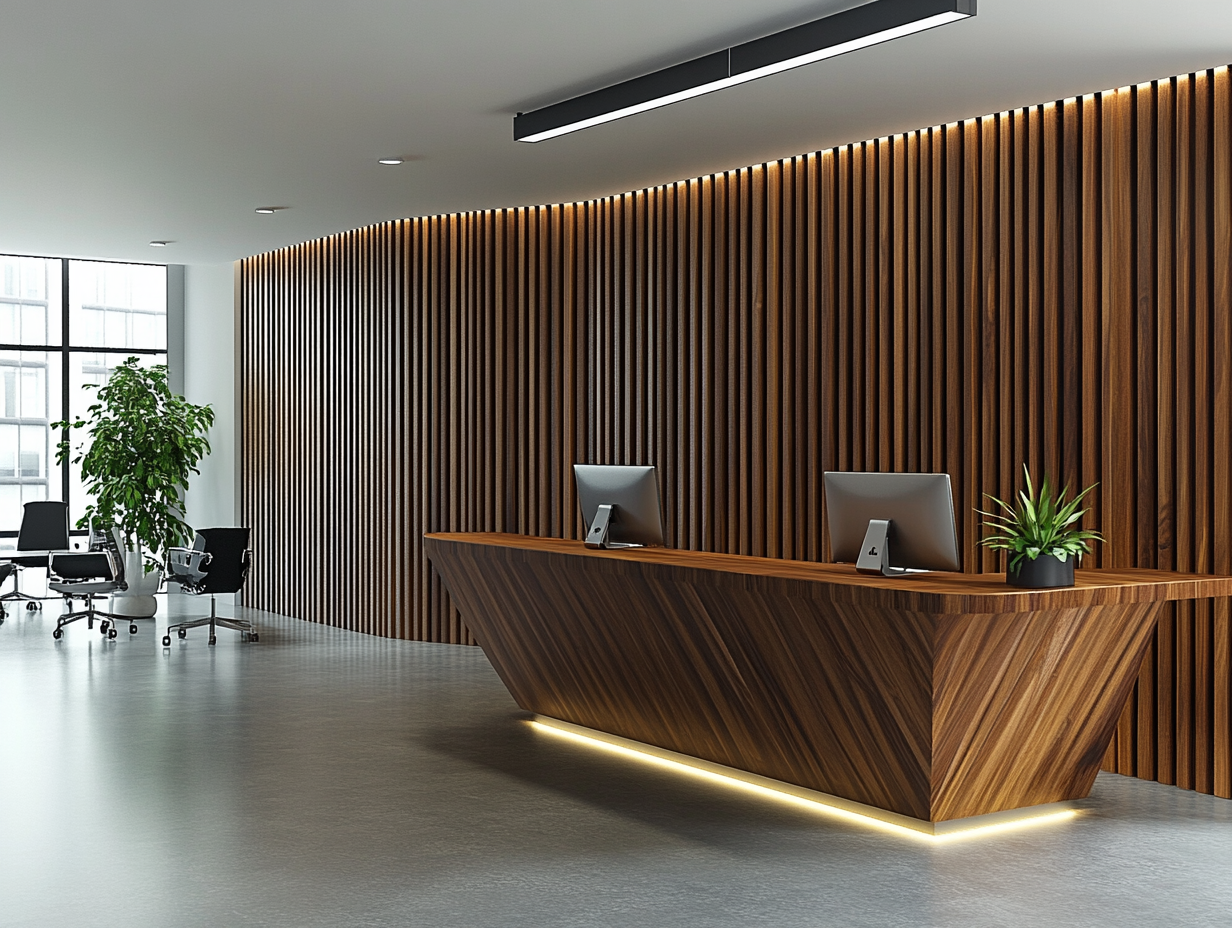
Wooden Acoustic Panels: Say Goodbye to Annoying Room Echoes!
Acoustic comfort is often overlooked but is crucial for creating pleasant and productive spaces. Uncontrolled sound reflection, or echo, can transform a beautiful room into an auditory nightmare. Thankfully, there’s an elegant and effective solution: wooden acoustic panels.
Rooms with hard, reflective surfaces like drywall, glass, and concrete bounce sound waves around, creating reverberation. This echo effect muddles speech, makes music sound distorted, and generally increases noise levels, leading to discomfort, distraction, and even fatigue. Imagine trying to have a conversation in a sparsely furnished room with tile floors and large windows – the echoes would make it difficult to understand what’s being said. This is where acoustic treatment comes in.
Wooden acoustic panels offer a stylish and highly effective way to tame unwanted echoes. Crafted from various wood types and designed with specific acoustic properties, these panels absorb and diffuse sound waves, reducing reverberation time and improving sound clarity. Unlike bulky, less aesthetically pleasing alternatives, wooden panels seamlessly integrate into existing decor, enhancing both the visual and auditory appeal of any space.
Wooden acoustic panels work through two primary mechanisms: sound absorption and sound diffusion.
Absorption: Many panels feature a porous or fibrous core, often made of recycled materials. When sound waves enter these pores, the energy is converted into heat through friction, effectively reducing the sound reflected back into the room.
Diffusion: The textured or sculpted surfaces of some wooden panels scatter sound waves in different directions. This diffusion prevents the formation of strong reflections, creating a more balanced and even sound field. This helps eliminate flutter echoes and dead spots in the room.
The perfect panel often utilizes a combination of both absorption and diffusion for optimal acoustic performance.
Beyond their functional advantages, wooden acoustic panels offer a range of benefits:
Superior Sound Quality: Experience clearer speech, richer music, and reduced background noise for improved focus and enjoyment.
Aesthetic Appeal: Available in a wide variety of wood types, finishes, and designs, seamlessly integrate with any interior design style, from modern minimalist to rustic chic.
Eco-Friendly Options: Many wooden panels are made from sustainably sourced wood and recycled materials, promoting environmental responsibility.
Easy Installation: Designed for straightforward installation, can be easily mounted on walls or ceilings using basic tools.
Improved Privacy: By reducing sound transmission within a space, create a more private and confidential environment.
Increased Property Value: Enhance the overall comfort and functionality of a building, potentially increasing its market value.
Wooden acoustic panels are versatile and suitable for a wide range of applications, including:
Home Theaters: Create an immersive cinematic experience with crisp, clear sound.
Living Rooms: Reduce echo and improve speech intelligibility for comfortable conversations.
Offices: Minimize distractions and enhance productivity in workspaces.
Restaurants: Improve ambiance and allow for easier conversation between diners.
Recording Studios: Achieve accurate and professional-quality recordings.
Conference Rooms: Facilitate clear communication and collaboration during meetings.
Gymnasiums: Reduce excessive reverberation for improved safety and comfort.
Schools and Classrooms: Create optimal learning environments for students.
Selecting the appropriate wooden acoustic panels requires careful consideration of several factors:
Room Size and Shape: Larger rooms generally require more acoustic treatment. Odd-shaped rooms may benefit from strategic panel placement for optimal sound diffusion.
Sound Absorption Coefficient (SAC): This measures how effectively a panel absorbs sound at different frequencies. Choose panels with SAC values that align with the specific frequencies you want to control.
Panel Thickness and Density: Thicker and denser panels typically offer better sound absorption.
Material and Finish: Select materials and finishes that complement your decor and meet your aesthetic preferences.
Installation Method: Consider the ease of installation and choose a method that suits your skills and resources.
Budget: Compare prices from different suppliers and choose panels that offer the best value for your money.
Proper installation is crucial for maximizing the effectiveness of wooden acoustic panels. Here are some helpful tips:
Strategic Placement: Focus on treating first reflection points – the areas where sound waves first bounce off walls or ceilings.
Panel Coverage: Aim for approximately 20-30% coverage of the total surface area for noticeable acoustic improvement.
Spacing: Experiment with spacing between panels to optimize sound diffusion and absorption.
Mounting Hardware: Use appropriate mounting hardware to ensure secure and stable installation.
Professional Assistance: Consider consulting with an acoustic professional for personalized recommendations and installation services.
While wooden acoustic panels are a highly effective solution, consider combining them with other acoustic treatments for comprehensive sound control:
Acoustic Curtains and Drapes: Absorb sound and reduce reverberation, particularly in rooms with large windows.
Acoustic Ceiling Tiles: Provide sound absorption from above, reducing overall noise levels.
Bass Traps: Absorb low-frequency sounds, preventing booming and improving bass clarity.
Furniture and Rugs: Soft furnishings help absorb sound and reduce echoes.
Wooden acoustic panels represent a smart investment in the comfort, functionality, and aesthetic appeal of any space. By effectively controlling echoes and improving sound clarity, these panels create more pleasant, productive, and enjoyable environments. Say goodbye to annoying room echoes and hello to superior sound quality with wooden acoustic panels.