
Natural Wooden Acoustics Solutions
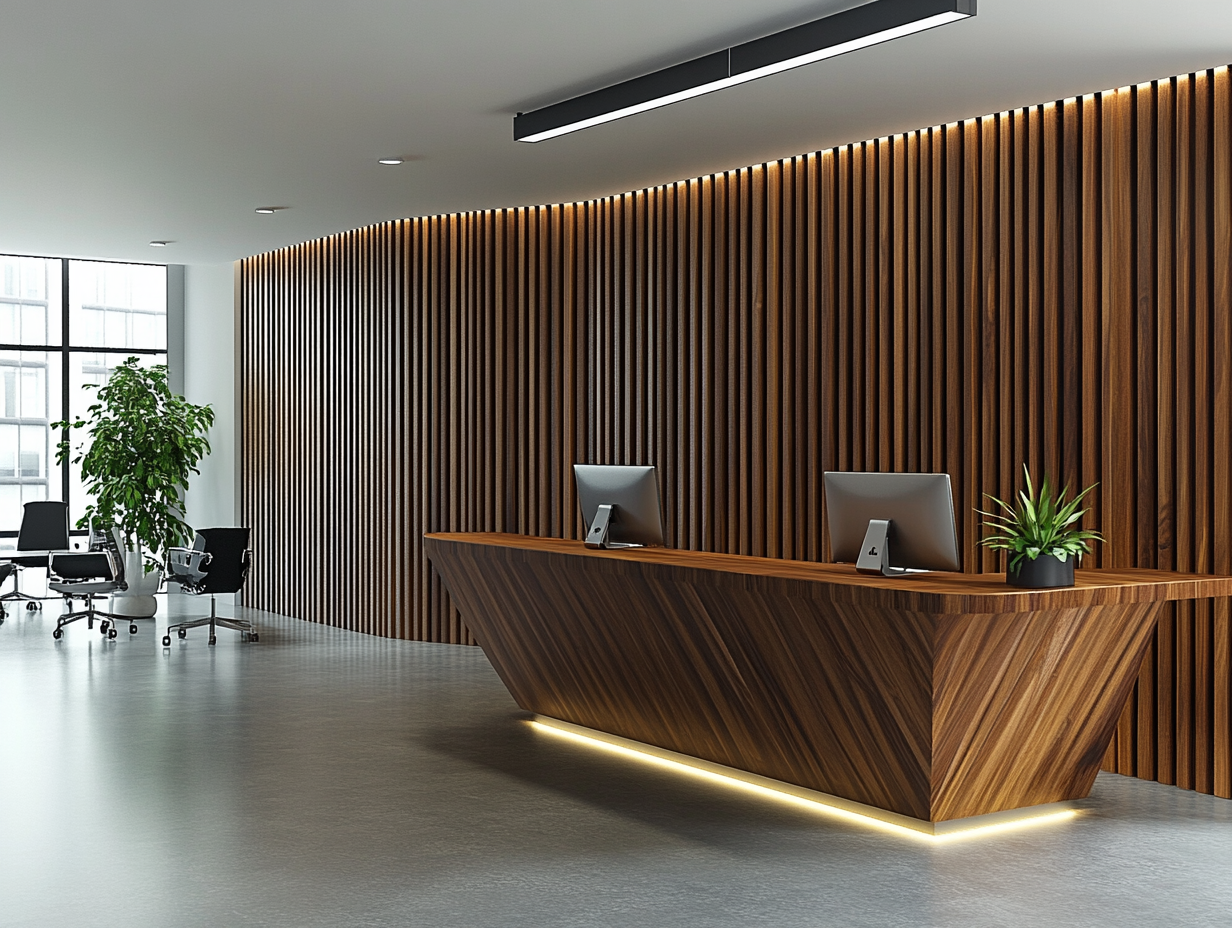
Have you ever walked into a space and felt instantly at ease, despite not being able to pinpoint why? Chances are, the room’s acoustics were subtly influencing your comfort. Sound is a powerful, often overlooked design element, and uncontrolled noise can lead to stress, decreased productivity, and an overall unpleasant experience. Enter wooden acoustic panels – the design-savvy solution to unwanted reverberation and echo, transforming noisy spaces into havens of tranquility.
Wooden acoustic panels are more than just sound absorbers; they’re a sophisticated design tool that combines functionality with aesthetic appeal. Their rising popularity isn’t merely a trend; it reflects a growing awareness of the crucial role acoustics play in our well-being and a desire for beautiful, functional interiors.
Understanding the science behind wooden acoustic panels helps appreciate their effectiveness. The key lies in their composition and design. Typically, these panels consist of a wooden surface, often with perforations or slats, backed by a sound-absorbing material like mineral wool or acoustic felt.
When sound waves encounter a hard, untreated surface, they bounce back, creating echoes and reverberation. Wooden acoustic panels, however, absorb these sound waves. The perforations or slats allow sound to enter the panel, where the soft backing material converts the sound energy into heat through friction. This process reduces the amount of sound reflected back into the room, resulting in a quieter, more comfortable environment.
The size, shape, and spacing of the perforations or slats are carefully calculated to target specific frequencies of sound, allowing for customized acoustic performance. Some panels are designed to absorb low frequencies, while others are optimized for mid or high frequencies, enabling designers to fine-tune the acoustics of a space based on its intended use.
Wooden acoustic panels aren’t just about sound absorption; they’re also a stunning design element that can enhance the visual appeal of any space. Available in a wide range of wood species, finishes, and designs, these panels offer endless possibilities for customization.
From the warm, natural tones of oak and walnut to the sleek, modern look of painted or stained wood, wooden acoustic panels can complement any architectural style. Their textured surfaces and geometric patterns add depth and visual interest to walls and ceilings, transforming bland spaces into inviting, aesthetically pleasing environments.
Furthermore, the modular nature of many wooden acoustic panel systems allows for creative installations, such as feature walls, ceiling clouds, and custom-designed patterns. This versatility makes them a favorite among architects and interior designers seeking to create unique and visually stunning spaces.
The versatility of wooden acoustic panels makes them suitable for a wide range of applications, from residential to commercial spaces.
Essentially, any space where noise control is desired can benefit from the installation of wooden acoustic panels. Their ability to blend seamlessly with existing decor makes them a valuable addition to any design project.
Wooden acoustic panels are relatively easy to install, especially with the variety of mounting systems available. Some panels can be directly glued to walls or ceilings, while others are designed for suspended grid systems or Z-clip mounting. The best installation method will depend on the specific panel design and the existing substrate.
Maintaining wooden acoustic panels is also straightforward. Regular dusting with a soft cloth or vacuum cleaner is usually sufficient to keep them clean. For more stubborn stains, a mild detergent solution can be used, but it’s essential to test the solution on an inconspicuous area first to ensure it doesn’t damage the finish.
Proper installation and maintenance will ensure that your wooden acoustic panels continue to look and sound their best for years to come, providing a lasting investment in both the aesthetics and acoustics of your space.
Selecting the appropriate wooden acoustic panels requires careful consideration of several factors:
By carefully considering these factors, you can ensure that you choose the right wooden acoustic panels to transform your space into a haven of tranquility and beauty.
As awareness of the importance of acoustics grows, wooden acoustic panels are poised to become an even more integral part of interior design. Their ability to combine functionality with aesthetic appeal, coupled with their sustainability and versatility, makes them a truly innovative and timeless solution for creating comfortable, inviting, and visually stunning spaces. Embrace the design hack that’s changing the way we experience sound – invest in wooden acoustic panels and unlock the full potential of your space.