
Natural Wooden Acoustics Solutions
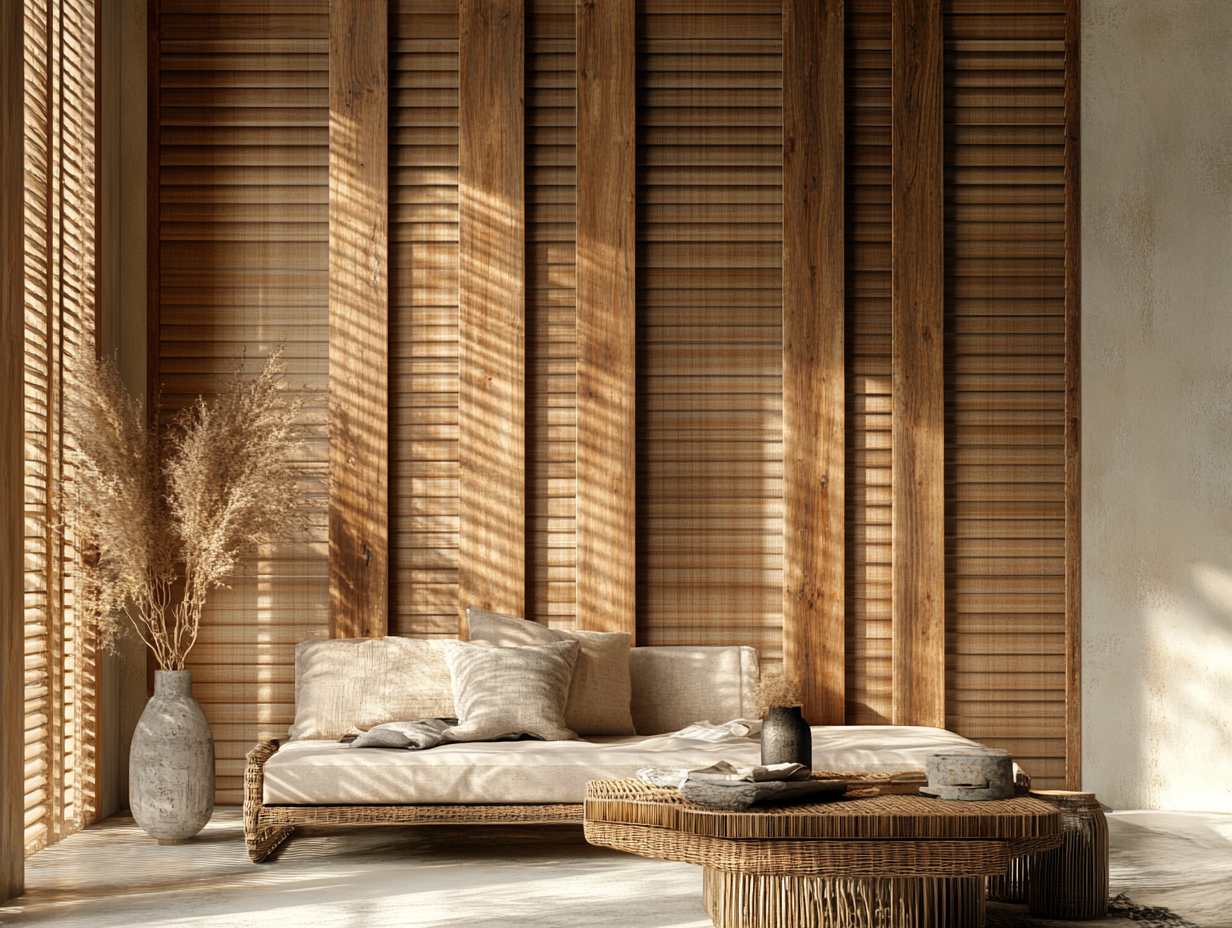

Modern homes, with their open floor plans and minimalist designs, often prioritize aesthetics over acoustics. Large windows, hard surfaces like hardwood floors and concrete walls, while visually appealing, can create significant sound problems. Thankfully, there’s a stylish and effective solution: wooden acoustic panels. These panels not only enhance the visual appeal of your space but also drastically improve its sound quality.
This article explores the top 5 sound problems plaguing modern homes and how wooden acoustic panels can provide elegant and practical solutions.
Before diving into specific problems, it’s crucial to understand how wooden acoustic panels work. These panels are designed to absorb sound waves, preventing them from bouncing around a room and creating unwanted noise. The porous nature of the wood, combined with strategically placed slots or perforations, allows sound waves to enter the panel. Inside, the sound energy is converted into heat through friction, effectively reducing reverberation and echo.
Different panel designs offer varying degrees of sound absorption. Thicker panels and those with more intricate designs generally provide better performance. The mounting method also plays a significant role. Creating an air gap behind the panel, for instance, can improve its low-frequency absorption.
Open floor plans are a staple of modern home design, but they often lead to excessive reverberation. Sound waves travel freely throughout the large space, bouncing off hard surfaces and creating a confusing, echoey effect. This makes it difficult to hold conversations, watch TV, or simply relax.
The Solution: Strategically placed wooden acoustic panels can significantly reduce reverberation in open floor plans. By absorbing sound waves, these panels prevent them from bouncing around the room, creating a clearer and more comfortable listening environment. Focus on placing panels on walls and ceilings, especially in areas where sound tends to gather, such as near seating areas or entertainment centers.
Hardwood floors, concrete walls, and large windows are common features in modern homes, but they are also notorious for creating echoes. These echoes can be distracting and make it difficult to understand speech or enjoy music.
The Solution: Wooden acoustic panels are excellent at absorbing echoes. The porous material of the panels traps sound waves, preventing them from reflecting off hard surfaces. Consider installing panels on walls opposite windows or near other reflective surfaces to maximize their effectiveness. Varying the panel sizes and placement patterns can also enhance their performance.
In spaces with poor acoustics, it can be challenging to understand what people are saying, especially during group conversations. The combination of reverberation, echoes, and background noise makes it difficult to focus on individual voices.
The Solution: By reducing reverberation and echoes, wooden acoustic panels improve speech intelligibility. Placing panels in areas where people frequently gather, such as dining rooms or living rooms, can make conversations much easier to follow. Aim for a balance between sound absorption and reflection to create a natural and comfortable listening environment. Think about positioning panels near seating areas to maximize effectiveness.
While wooden acoustic panels excel at improving sound within a room, they aren’t designed to completely block sound from traveling between rooms. They primarily absorb reflected sound, rather than blocking direct sound transmission. However, they can offer some degree of reduction, especially when combined with other soundproofing measures.
The Solution: While not a complete sound barrier, strategically placed wooden acoustic panels can help to slightly reduce sound bleed between rooms by absorbing sound that would otherwise reflect and contribute to the overall noise level. Focus placement around shared walls and doorways. However, for significant noise reduction between rooms, consider additional soundproofing materials like mass-loaded vinyl or soundproof doors.
Traditional acoustic solutions often prioritize functionality over aesthetics, resulting in unattractive and sterile-looking spaces. Many homeowners are hesitant to install acoustic treatments because they don’t want to compromise the visual appeal of their homes.
The Solution: Wooden acoustic panels offer a perfect blend of form and function. Available in a wide range of styles, finishes, and designs, these panels can enhance the aesthetic appeal of any room. Whether you prefer a modern, minimalist look or a more traditional, rustic feel, you can find wooden acoustic panels that complement your existing décor. Furthermore, they add a natural, warm element to the space, unlike many cold and clinical acoustic solutions.
Selecting the right wooden acoustic panels for your home requires careful consideration. Here are a few factors to keep in mind:
Wooden acoustic panels offer a stylish and effective solution to common sound problems in modern homes. By reducing reverberation, echoes, and improving speech intelligibility, these panels can create a more comfortable and enjoyable living environment. With a wide range of designs and finishes available, wooden acoustic panels can also enhance the aesthetic appeal of your space, making them a valuable addition to any modern home. Embrace the blend of form and function and transform your home into a sanctuary of sound.