
Natural Wooden Acoustics Solutions
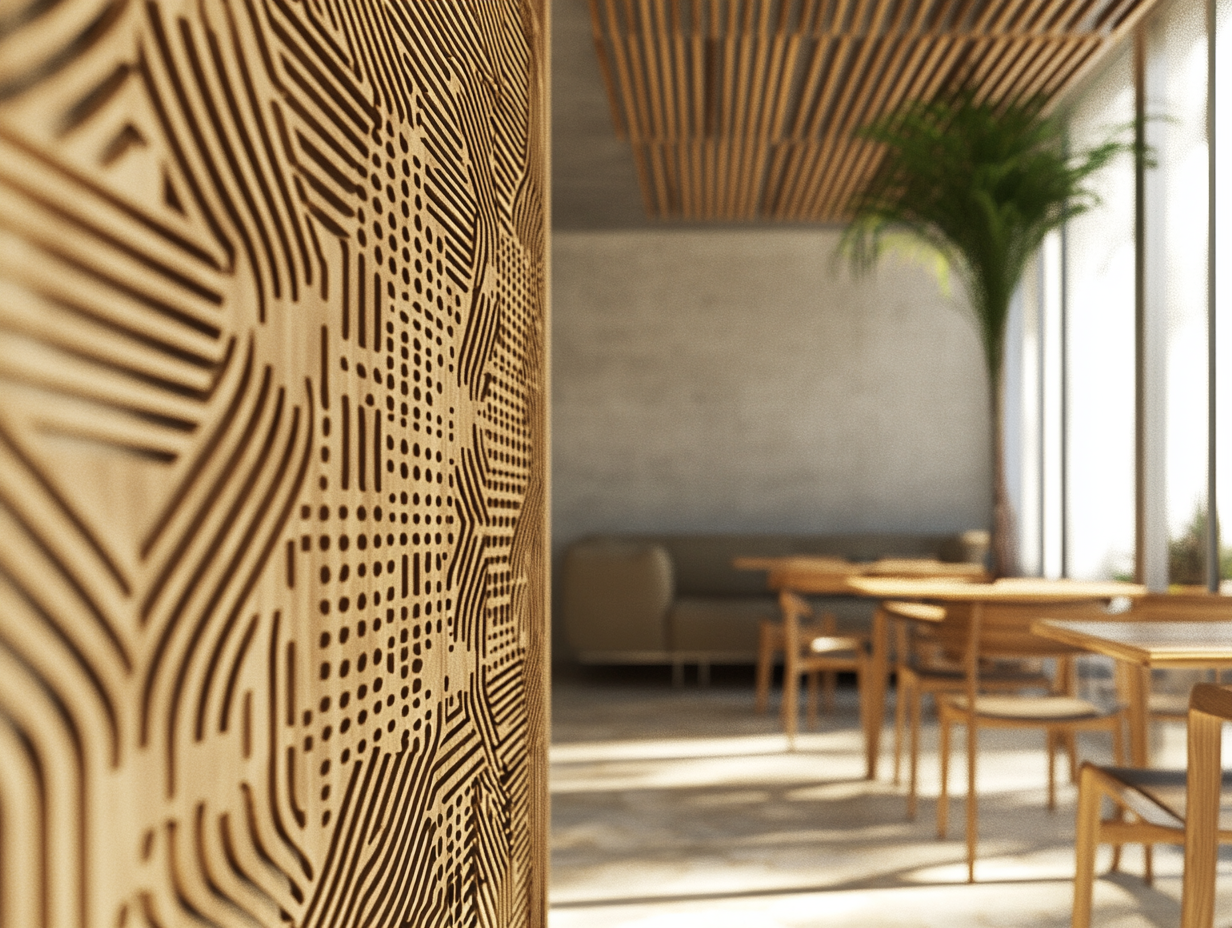
Modern Acoustic Design: Wooden Panels for Stylish Sound Control
In today’s open-plan offices, minimalist homes, and bustling commercial spaces, noise pollution is a pervasive problem. Beyond simple annoyance, excessive noise negatively impacts productivity, concentration, and overall well-being. Modern acoustic design seeks to mitigate these issues, creating environments that are both aesthetically pleasing and functionally sound. Wooden acoustic panels have emerged as a leading solution, offering a unique blend of performance and visual appeal.
Wooden acoustic panels offer several compelling advantages over traditional soundproofing methods. Firstly, they possess excellent sound absorption properties, effectively reducing reverberation and echo. This is achieved through a combination of factors, including the panel’s surface structure, core materials, and perforation patterns. Secondly, wood is a naturally beautiful and versatile material. It can be stained, painted, or finished in a wide variety of styles to complement any interior design scheme. This allows architects and designers to integrate acoustic solutions seamlessly into their projects without compromising aesthetic vision. Finally, wood is a sustainable material, particularly when sourced from responsibly managed forests.
Effective acoustic design relies on understanding how sound waves interact with different materials. Wooden acoustic panels work primarily by absorbing sound energy, converting it into small amounts of heat. This absorption occurs due to several mechanisms. Perforated panels, for example, create Helmholtz resonators, which trap specific frequencies of sound. Porous materials within the panel’s core, such as mineral wool or recycled cotton, further absorb sound energy through frictional resistance. The size, shape, and density of the perforations, as well as the type and thickness of the core material, all influence the panel’s acoustic performance.
The market offers a diverse range of wooden acoustic panel types, each suited to specific applications and aesthetic preferences:
These panels feature evenly spaced wooden slats mounted on an acoustic backing. They offer a clean, contemporary look and are highly effective at absorbing mid-to-high frequency sounds.
These panels are characterized by precisely drilled holes that create resonant cavities, improving sound absorption across a wider frequency range. The size and pattern of the perforations can be customized to optimize performance.
Unlike absorbers, diffusers scatter sound waves, creating a more natural and spacious sound field. They are often used in recording studios and performance spaces.
These panels incorporate sculpted or carved surfaces that break up sound waves and reduce unwanted reflections.
Wooden acoustic panels are suitable for a wide range of applications, including:
Reducing noise levels in workplaces improves concentration, productivity, and communication.
Creating a more comfortable and enjoyable dining experience by minimizing excessive noise.
Optimizing acoustics for critical listening and recording applications.
Improving speech intelligibility and reducing distractions in classrooms and lecture halls.
Creating a calming and restorative environment for patients and staff.
Proper installation is crucial for maximizing the acoustic performance of wooden panels. It is essential to follow the manufacturer’s instructions carefully and ensure that the panels are securely mounted. Maintenance is typically straightforward, involving regular dusting or vacuuming to remove accumulated dirt and debris. Some panels may require occasional refinishing to maintain their aesthetic appearance.
Selecting the appropriate wooden acoustic panels for a specific project requires careful consideration of several factors, including:
Identify the specific noise problems that need to be addressed and determine the required sound absorption or diffusion characteristics.
Choose panels that complement the overall design scheme and architectural style.
Wooden acoustic panels vary in price depending on the materials, construction, and performance characteristics.
Opt for panels made from sustainably sourced wood and eco-friendly materials.
As awareness of the importance of acoustic well-being continues to grow, wooden acoustic panels are poised to play an increasingly significant role in shaping the built environment. Ongoing research and development are leading to innovative new panel designs with enhanced acoustic performance, improved sustainability, and greater aesthetic versatility. By combining the natural beauty of wood with advanced acoustic technology, these panels offer a powerful solution for creating spaces that are both visually appealing and acoustically optimized.