
Natural Wooden Acoustics Solutions
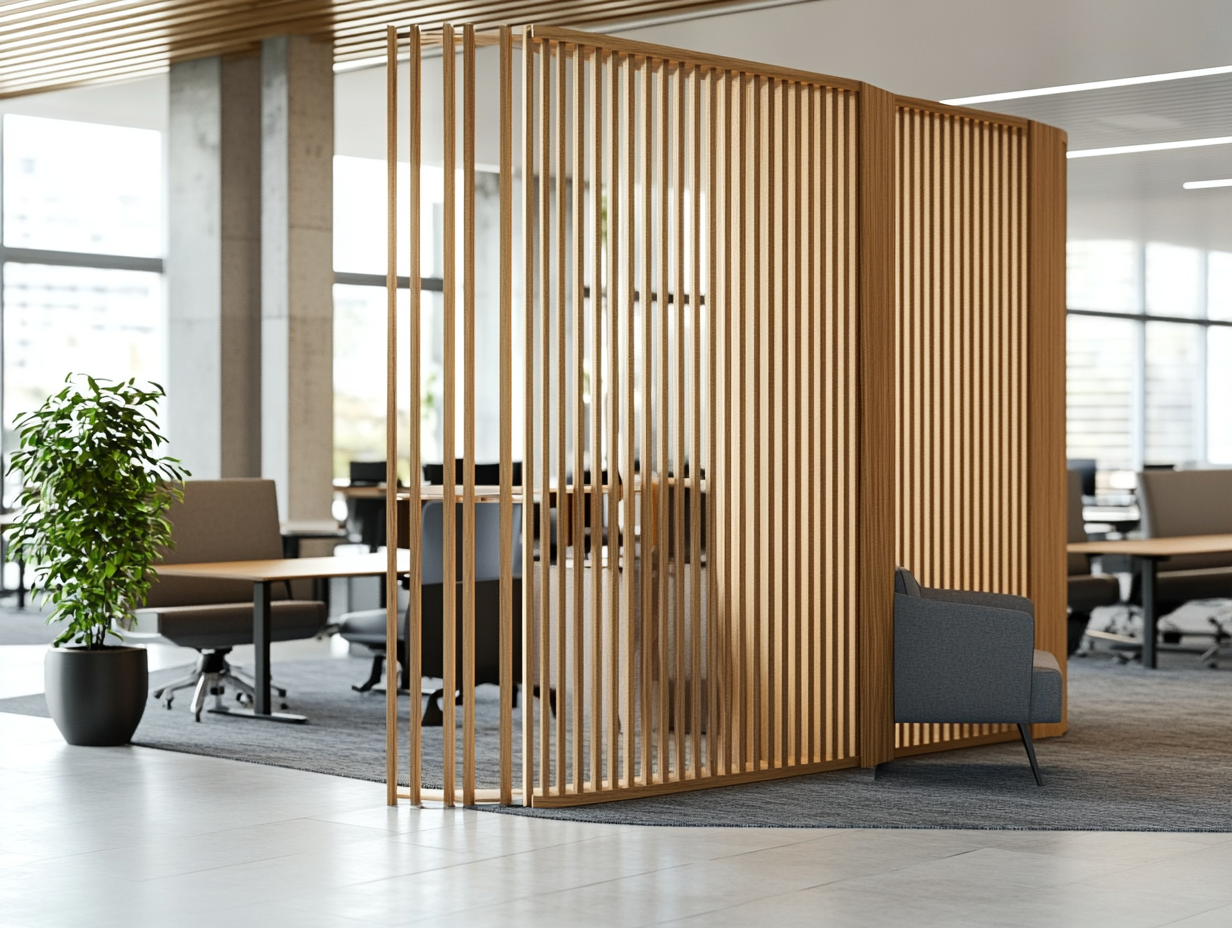
Acoustic Design: Elevate Your Design with Wooden Acoustic Paneling
In the realm of interior design, aesthetics and functionality often engage in a delicate dance. Achieving a harmonious balance between visual appeal and practical performance is the ultimate goal. Wooden acoustic paneling offers precisely this synergy, transforming spaces not only visually but also sonically. Beyond its inherent beauty, wood possesses unique acoustic properties that can dramatically improve the sound quality within a room, creating environments that are both inviting and acoustically comfortable.
Understanding how wooden acoustic panels function is key to appreciating their effectiveness. These panels are designed to absorb sound waves, reducing reverberation and echo within a space. The process involves several factors:
Absorption: The porous nature of wood allows it to absorb sound energy, converting it into heat. This is particularly effective at mid and high frequencies.
Diffusion: Strategically designed panel surfaces, often featuring grooves, perforations, or varying thicknesses, scatter sound waves, preventing them from building up in specific areas. This creates a more even and natural sound distribution.
Resonance: Some panels are designed with a cavity behind them, creating a resonant absorber. This targets specific frequencies, making them ideal for controlling bass frequencies.
The combination of these principles ensures that wooden acoustic panels not only reduce unwanted noise but also enhance the clarity and intelligibility of sound within a room.
While the primary function of wooden acoustic paneling is sound control, the benefits extend far beyond acoustics:
Aesthetic Versatility: From rustic charm to sleek modernity, wooden paneling offers unparalleled aesthetic flexibility. A wide variety of wood species, finishes, and designs allows for seamless integration with any design style.
Warmth and Ambiance: Wood inherently brings a sense of warmth and natural beauty to any space, creating a more inviting and comfortable atmosphere.
Sustainability: Wood is a renewable resource, making wooden acoustic panels a sustainable choice for eco-conscious designers. Look for panels made from responsibly harvested wood, certified by organizations like the Forest Stewardship Council (FSC).
Durability and Longevity: Properly installed and maintained wooden acoustic panels can last for decades, providing a long-term investment in both acoustics and aesthetics.
Improved Focus and Productivity: In workspaces, reduced noise levels and improved acoustics can significantly enhance focus, concentration, and overall productivity.
Enhanced Privacy: By minimizing sound transmission, acoustic panels can create more private and confidential environments.
The versatility of wooden acoustic paneling makes it suitable for a wide range of applications across various industries:
Commercial Spaces: Offices, conference rooms, retail stores, restaurants, and hotels can all benefit from improved acoustics and enhanced aesthetics.
Educational Institutions: Classrooms, lecture halls, libraries, and auditoriums require optimal sound environments for effective learning and communication.
Healthcare Facilities: Hospitals, clinics, and therapy rooms can utilize acoustic panels to create calming and therapeutic environments for patients and staff.
Residential Spaces: Home theaters, living rooms, bedrooms, and home offices can be transformed into havens of tranquility with the addition of wooden acoustic panels.
Performance Venues: Concert halls, theaters, and recording studios require precise acoustic control for optimal sound quality.
Religious Institutions: Churches, mosques, and synagogues can use acoustic panels to enhance the clarity of speech and music.
Choosing the right wooden acoustic panels is crucial for achieving the desired results. Consider the following factors:
Room Size and Shape: Larger rooms generally require more extensive acoustic treatment. The shape of the room also affects sound distribution.
Existing Noise Levels: Identify the sources of noise and the frequency ranges that need to be addressed.
Desired Aesthetic: Select panels that complement the overall design style and color palette of the space.
Panel Type: Choose panels with the appropriate absorption, diffusion, or resonance characteristics for the specific application. Perforated panels are excellent at mid to high frequencies, while slat panels excel at sound diffusion.
Material and Finish: Consider the wood species, finish, and fire rating of the panels.
Installation Method: Ensure that the panels are installed correctly for optimal performance. Proper mounting and spacing are critical.
Budget: Set a realistic budget and explore different panel options within that range.
Proper installation is essential for maximizing the effectiveness of wooden acoustic panels. Professional installation is recommended for complex projects. Regular maintenance, such as dusting and cleaning, will help to preserve the appearance and performance of the panels over time. Avoid harsh chemicals or abrasive cleaners that could damage the wood finish.
The future of acoustic design is focused on sustainability and innovation. Eco-friendly materials, such as reclaimed wood and bio-based adhesives, are becoming increasingly popular. Advanced manufacturing techniques are enabling the creation of more complex and efficient panel designs. As awareness of the importance of acoustics grows, wooden acoustic paneling will continue to play a vital role in creating spaces that are both beautiful and functional. Investing in good acoustic design is an investment in well-being, productivity, and overall quality of life.