
Natural Wooden Acoustics Solutions
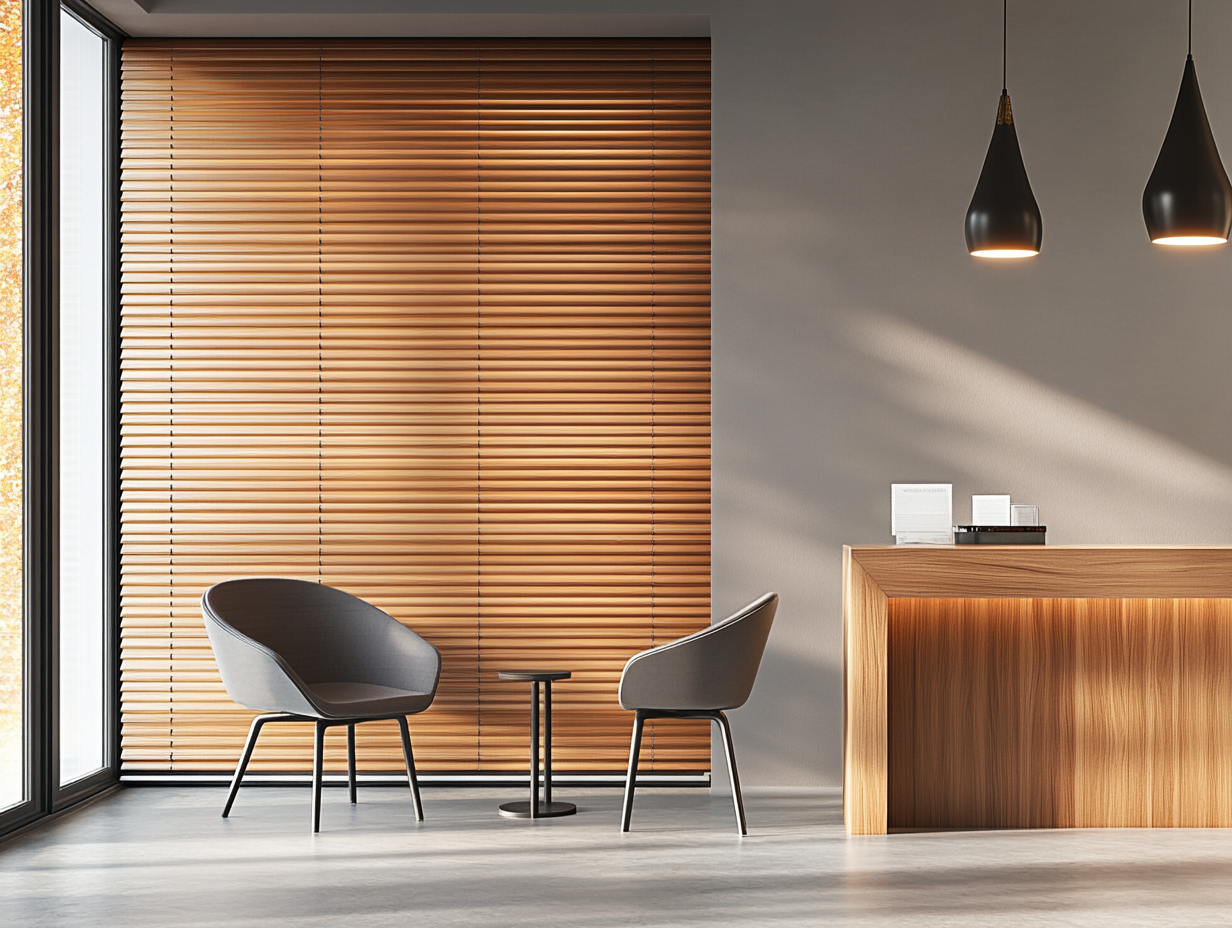
A Peaceful Home Awaits
Noise. It’s a relentless companion in modern life. From the drone of traffic outside to the echoes of footsteps inside, unwanted sounds can disrupt our concentration, elevate stress levels, and diminish our overall well-being. Creating a truly peaceful home, a sanctuary where you can relax, recharge, and reconnect with yourself, requires more than just aesthetics; it demands a thoughtful approach to acoustics. Fortunately, achieving this tranquility is more accessible than you might think, and wood, nature’s own acoustic wonder, plays a pivotal role.
Wood possesses unique properties that make it exceptionally effective in controlling sound. Unlike hard, reflective surfaces like concrete or glass, wood absorbs and diffuses sound waves, preventing echoes and reverberations that contribute to noise pollution. The cellular structure of wood, with its intricate network of fibers and air pockets, acts as a natural sound dampener. This is why you often find wood used extensively in concert halls and recording studios – places where acoustic precision is paramount.
Beyond its functional benefits, wood also adds warmth, character, and a sense of natural beauty to any space. Integrating wooden acoustic solutions into your home allows you to enhance both the auditory and visual experience, creating a harmonious and inviting environment.
Before diving into specific solutions, it’s crucial to identify the primary sources of unwanted noise in your home. Common culprits include:
External Noise: Traffic, construction, neighbors, airplanes.
Internal Noise: Footsteps, echoing voices, appliance sounds, home theater systems.
Walk through each room and actively listen for the dominant sounds. Where are they coming from? Are they consistently loud, or intermittent? Understanding the nature of the noise will help you tailor your acoustic treatment strategy for maximum effectiveness. For example, if traffic noise is the main concern, focusing on windows and exterior walls will be crucial. If internal echoes are the problem, addressing large, bare surfaces will be key.
Here are several ways to incorporate wooden acoustic solutions into different areas of your home:
Living Room: Consider installing wooden acoustic panels on walls or ceilings. These panels come in a variety of designs, from sleek and modern to rustic and textured, allowing you to complement your existing décor. A wooden entertainment unit can also help absorb sound from your TV or sound system. Think about adding a large, thick rug made from natural fibers for additional sound absorption.
Bedroom: Prioritize creating a restful and calming environment. A wooden headboard, paired with wooden bedside tables, can contribute to sound dampening. Acoustic curtains made with a dense weave can effectively block out external noise. A carefully selected wooden accent wall can also significantly improve the room’s acoustics.
Home Office: Focus on minimizing distractions and maximizing concentration. Wooden acoustic panels can be strategically placed to reduce echoes and reverberations, creating a more focused workspace. Consider using a wooden desk with a felt or leather writing surface to absorb sound.
Home Theater: Achieve optimal sound quality by incorporating wooden diffusers and absorbers. Diffusers scatter sound waves, creating a more immersive and balanced listening experience, while absorbers dampen unwanted reflections. Wooden wall panels, strategically placed, can also enhance the visual appeal of your home theater.
Kitchen: While often overlooked, the kitchen can be a significant source of noise. Wooden cabinets and countertops can help dampen the sound of clanging pots and pans. Consider adding a wooden backsplash or installing wooden acoustic panels above the cabinets to further reduce noise levels.
You don’t need to break the bank to improve your home’s acoustics. Here are a few DIY projects using wood that can make a noticeable difference:
Wooden Acoustic Art: Create your own acoustic art by stretching fabric over a wooden frame and filling it with sound-absorbing material.
Wooden Room Dividers: Use wooden screens or slatted dividers to break up large spaces and reduce echoes.
Wooden Shelving Units: Fill wooden shelving units with books, plants, and decorative items to absorb sound and add visual interest.
While wood is a powerful acoustic tool, it’s important to consider other strategies to maximize its effectiveness:
Soft Furnishings: Incorporate rugs, carpets, curtains, and upholstered furniture to absorb sound.
Textiles: Use thick, textured fabrics for bedding, cushions, and throws.
Plants: Plants can help absorb sound and create a more calming atmosphere.
Sealing Gaps: Seal any gaps around windows and doors to prevent sound from entering.
Creating a peaceful home is an investment in your well-being. By strategically incorporating wooden acoustic solutions and implementing complementary strategies, you can transform your living space into a sanctuary where you can relax, recharge, and reconnect with yourself. A quieter home leads to reduced stress, improved sleep, increased productivity, and a greater sense of overall well-being. Take the first step towards a more peaceful life today.