
Natural Wooden Acoustics Solutions
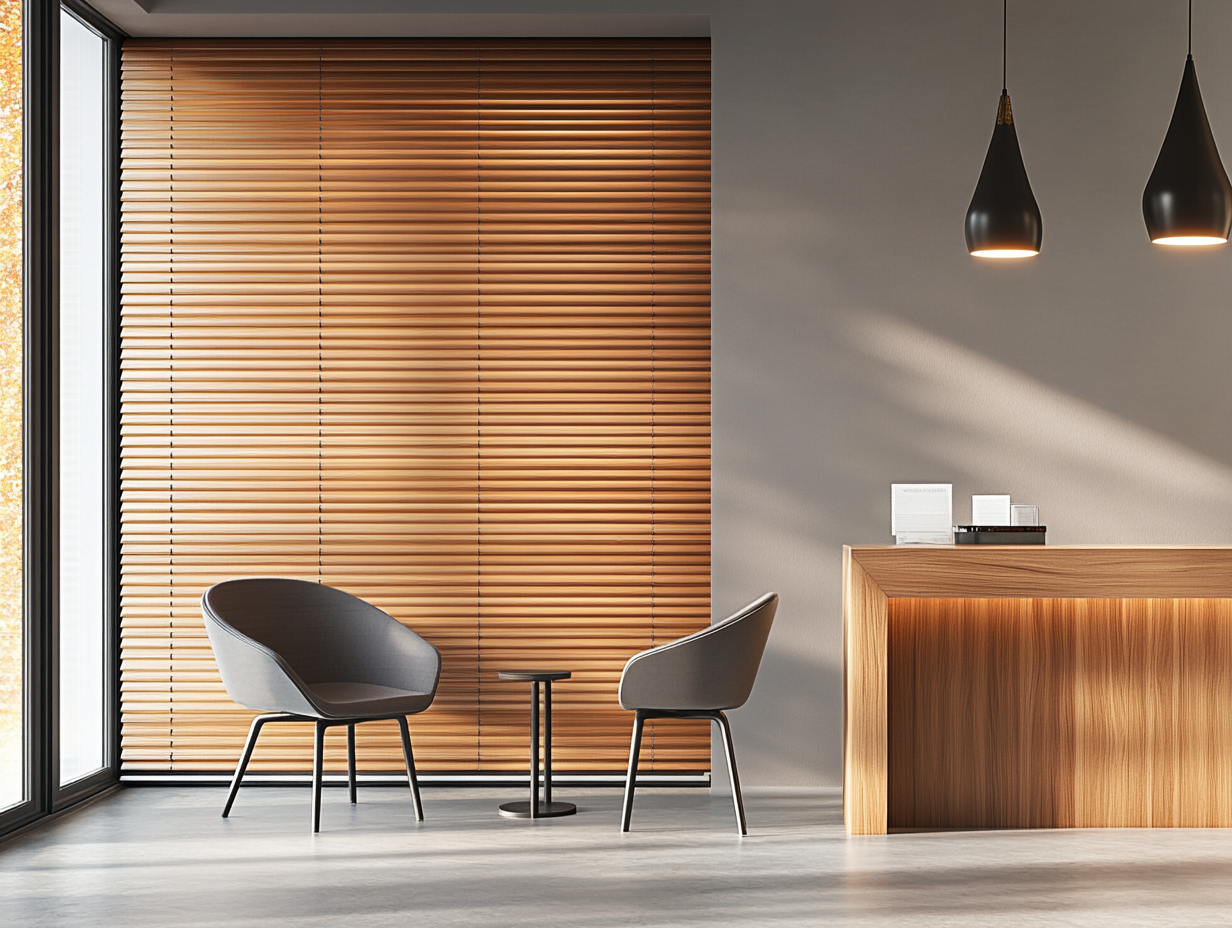
Wooden acoustic panels are no longer just a functional necessity for controlling sound; they’ve evolved into a sophisticated design element capable of transforming any interior space. Blending aesthetic appeal with remarkable acoustic properties, these panels offer a unique opportunity to enhance both the auditory and visual experience of a room. Dive into the world of wooden acoustic panel design and discover how you can elevate your interiors.
<h2>Understanding the Science Behind Wooden Acoustics</h2>Before delving into design, it’s crucial to understand the science underpinning wooden acoustic panels. Sound waves behave differently depending on the material they encounter. Wooden acoustic panels are specifically engineered to either absorb or diffuse sound waves, thereby reducing reverberation, echo, and overall noise levels. The panel’s construction, including the type of wood, perforation patterns, and backing materials, all play a significant role in its acoustic performance.
Sound Absorption: Panels with absorbent materials, often concealed behind the wood veneer, capture sound energy and convert it into heat, minimizing reflections.
Sound Diffusion: Panels with irregular surfaces or strategically placed perforations scatter sound waves, creating a more even and balanced sound field.
<h2>Choosing the Right Wood: Aesthetics and Acoustic Performance</h2>The type of wood used in acoustic panels is a critical factor in both the aesthetic and acoustic properties. Different wood species possess varying densities and natural characteristics, influencing how they interact with sound. Popular choices include:
Consider the existing decor and desired ambiance when selecting the wood species. Consult with an acoustic specialist to ensure the chosen wood meets the specific acoustic requirements of your space.
<h2>Exploring Design Options: Perforation Patterns and Surface Treatments</h2>Beyond the wood species, the design possibilities for wooden acoustic panels are virtually limitless. Perforation patterns, surface treatments, and panel shapes can be customized to create a unique visual statement while optimizing acoustic performance.
<h3>Perforation Patterns</h3>The arrangement and size of perforations significantly impact the panel’s ability to absorb sound. Common patterns include:
<h3>Surface Treatments</h3>Surface treatments can enhance the visual appeal and durability of wooden acoustic panels. Options include:
<h2>Applications: Transforming Homes, Offices, and Studios</h2>Wooden acoustic panels are versatile and can be used in a variety of settings to improve acoustics and enhance interior design:
<h3>Home Theaters and Entertainment Rooms</h3>Create an immersive audio experience by minimizing reflections and echoes. Panels can be strategically placed on walls and ceilings to optimize sound quality for movies, music, and gaming.
<h3>Offices and Conference Rooms</h3>Reduce noise distractions and improve speech intelligibility in open-plan offices and conference rooms. Panels can create a more productive and comfortable work environment.
<h3>Recording Studios and Music Rooms</h3>Achieve accurate and balanced sound reproduction for recording, mixing, and mastering. Panels can control reverberation and create a neutral acoustic environment.
<h3>Restaurants and Hospitality Spaces</h3>Reduce background noise and create a more pleasant dining or socializing experience. Panels can improve speech clarity and create a relaxed atmosphere.
<h2>Installation and Maintenance</h2>Proper installation is crucial to ensuring the optimal acoustic performance and longevity of wooden acoustic panels. Consult with a professional installer to determine the best mounting method for your specific application. Regular maintenance, such as dusting and cleaning, will help keep your panels looking their best and performing optimally for years to come.
By carefully considering the science, aesthetics, and application of wooden acoustic panels, you can transform your interiors into spaces that are both visually stunning and acoustically optimized. Embrace the art of wooden acoustic panel design and elevate your living and working environments.