Elevate Your Interiors: Wooden Acoustic Panels for Style and Sound


Elevate Your Interiors: Wooden Acoustic Panels for Style and Sound


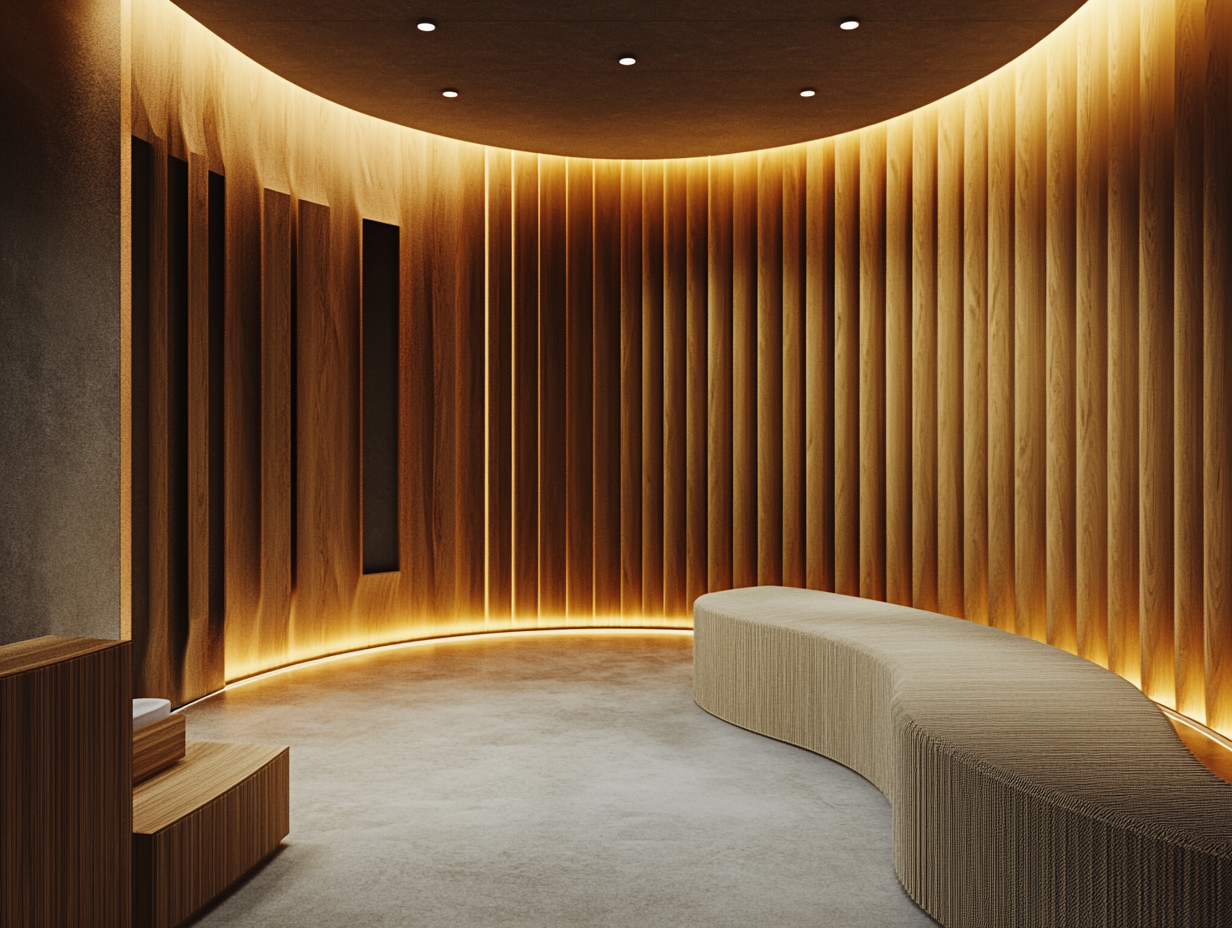
Stylish room with wooden acoustic panels

In today’s design landscape, form and function are no longer mutually exclusive. Homeowners, interior designers, and architects are increasingly seeking solutions that enhance both the visual appeal and the practical performance of spaces. Wooden acoustic panels perfectly embody this trend, offering a sophisticated way to control sound while adding a touch of natural elegance to any room.

What are Wooden Acoustic Panels?

Wooden acoustic panels are specifically designed to absorb sound waves, reducing reverberation, echo, and overall noise levels within a space. Unlike traditional soundproofing methods that aim to block sound transmission, acoustic panels focus on improving the clarity and quality of sound within the room. They achieve this through a combination of sound-absorbing materials and strategically designed surfaces that trap and dissipate sound energy.

Typically constructed from a wood veneer or solid wood attached to a sound-absorbing core (such as mineral wool or recycled felt), these panels come in a variety of styles, sizes, and finishes to complement any interior aesthetic.

The Dual Benefits: Style and Sound Control

The appeal of wooden acoustic panels lies in their ability to simultaneously address two critical aspects of interior design:

  • Aesthetic Enhancement: Wood brings warmth, texture, and a timeless quality to any space. Wooden acoustic panels are available in a wide range of wood species, stains, and perforation patterns, allowing for seamless integration into existing design schemes. Whether you’re aiming for a minimalist Scandinavian look, a rustic farmhouse vibe, or a sleek modern aesthetic, there’s a wooden acoustic panel to match your vision.
  • Acoustic Performance: Beyond their visual appeal, these panels significantly improve the sound quality within a room. By absorbing sound reflections, they reduce echo, improve speech intelligibility, and create a more comfortable and focused environment. This is particularly beneficial in spaces like home theaters, recording studios, open-plan offices, restaurants, and even residential living rooms.

Where to Use Wooden Acoustic Panels

The versatility of wooden acoustic panels makes them suitable for a wide range of applications:

  • Home Theaters: Create an immersive cinematic experience by minimizing sound reflections and maximizing audio clarity.
  • Living Rooms: Reduce echo and improve the acoustics for conversations and entertainment.
  • Home Offices: Enhance focus and productivity by reducing distractions from external noise.
  • Restaurants and Bars: Lower noise levels to create a more pleasant dining experience for patrons.
  • Open-Plan Offices: Minimize distractions and improve speech privacy for enhanced collaboration and concentration.
  • Recording Studios and Music Rooms: Achieve optimal sound quality for recording and mixing.
  • Educational Facilities: Improve classroom acoustics for better learning outcomes.

Types of Wooden Acoustic Panels

Choosing the right wooden acoustic panel depends on your specific needs and design preferences. Here’s a brief overview of common types:

  • Slatted Panels: Featuring evenly spaced wooden slats, these panels offer a contemporary look and excellent sound absorption.
  • Perforated Panels: With small holes drilled throughout the surface, these panels provide a more subtle acoustic treatment.
  • Solid Wood Panels: These panels, often with a textured surface, offer a more traditional aesthetic and can be customized with various grooves or patterns for added sound absorption.
  • Diffusers: While primarily designed to scatter sound waves rather than absorb them, diffusers can be used in conjunction with absorbers to create a balanced and natural-sounding acoustic environment. They help to maintain a sense of spaciousness while still controlling unwanted reflections.

Installation and Maintenance

Wooden acoustic panels are typically easy to install, often using simple mounting hardware or adhesives. Many manufacturers offer detailed installation guides and support to ensure a smooth process. Maintenance is also straightforward; regular dusting or wiping with a damp cloth is usually sufficient to keep them looking their best.

Choosing the Right Panels for Your Space

Selecting the ideal wooden acoustic panels involves considering several factors:

  • Room Size and Shape: Larger rooms generally require more acoustic treatment. Irregularly shaped rooms can benefit from strategically placed panels to address specific acoustic issues.
  • Sound Absorption Needs: Determine the desired level of sound absorption based on the room’s intended use and existing noise levels.
  • Design Aesthetic: Choose panels that complement your overall interior design style. Consider the wood species, stain, perforation pattern, and mounting options.
  • Budget: Wooden acoustic panels range in price depending on the materials, construction, and finish. Establish a budget and explore options within that range.

Consult with an acoustic specialist or interior designer for personalized recommendations and guidance.

The Future of Interior Acoustics: Sustainable and Stylish

Wooden acoustic panels represent a significant step forward in interior design, seamlessly integrating form and function to create spaces that are both beautiful and acoustically comfortable. With increasing awareness of the importance of sound quality in our daily lives, these panels are poised to become an even more essential element of modern design.

Furthermore, many manufacturers are now prioritizing sustainability, using reclaimed wood, recycled materials, and eco-friendly finishes in their production processes. This commitment to environmental responsibility ensures that you can enhance your interiors while minimizing your impact on the planet.