
Natural Wooden Acoustics Solutions
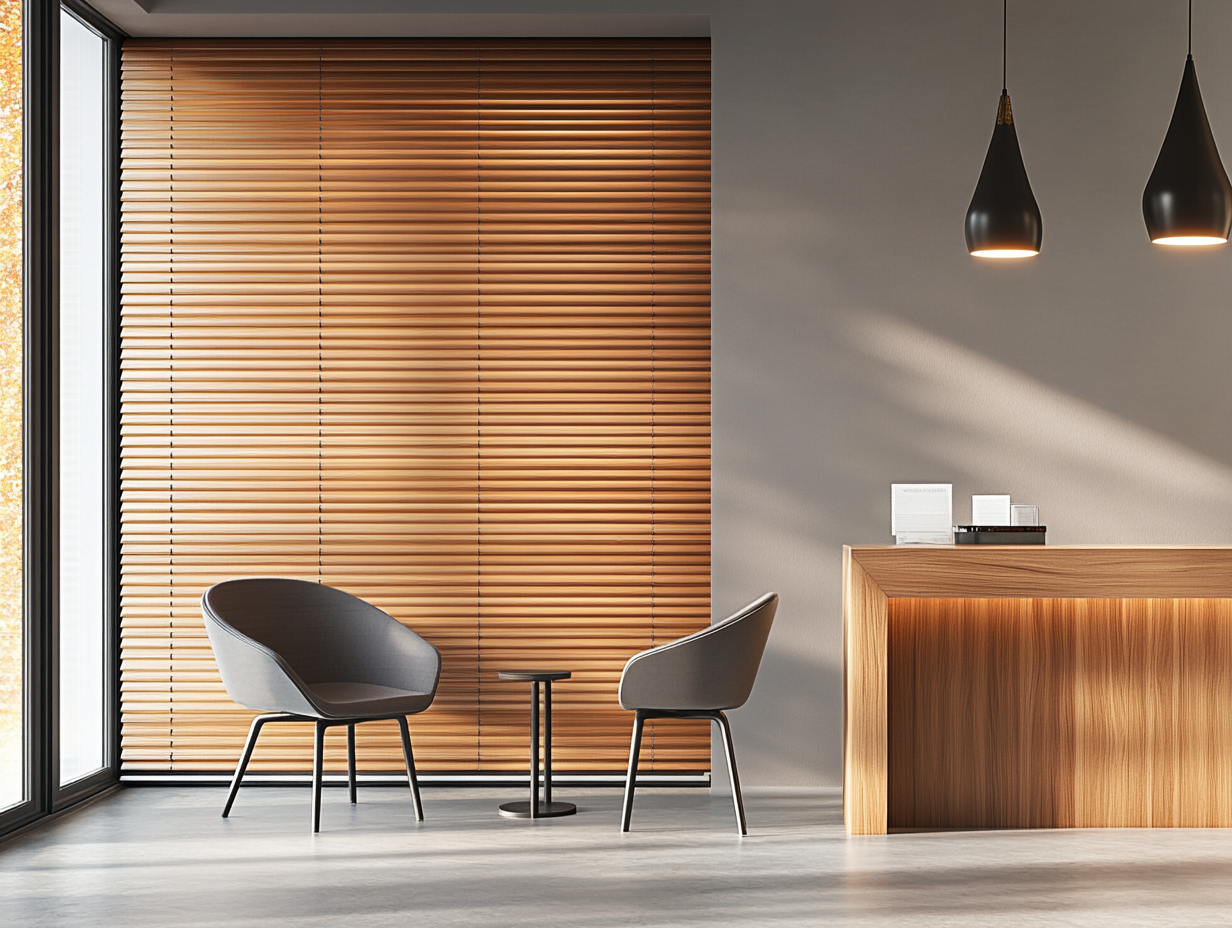
Does sound bounce around your room, creating a cacophony of echoes? Do conversations reverberate, making it hard to understand what’s being said? Is your home theater less “immersive experience” and more “distracting audio mess?” If you answered yes to any of these questions, you’re likely dealing with poor acoustics. But don’t despair – the solution might be simpler (and more stylish) than you think: wooden acoustic panels.
Before diving into solutions, it’s crucial to understand the source of the problem. Rooms with large, hard surfaces like bare walls, hardwood floors, and glass windows reflect sound waves, leading to reverberation, echoes, and a general muddiness of audio. This is especially pronounced in rooms with minimal furniture or soft textiles like rugs and curtains that absorb sound.
Imagine shouting in an empty room. The sound bounces back to you multiple times, creating a distinct echo. Now imagine the same scenario in a room filled with upholstered furniture and thick carpets. The sound is absorbed, dampening the echo and creating a clearer, more defined sound.
Key culprits for poor acoustics include:
Acoustic panels are designed to absorb sound waves, reducing reverberation and improving sound clarity. While various types of acoustic panels exist, wooden acoustic panels offer a unique blend of functionality and aesthetic appeal.
Unlike some purely utilitarian acoustic solutions, wooden panels enhance your room’s design. They come in a vast range of styles, finishes, and sizes, allowing you to seamlessly integrate them into your existing décor. From sleek, modern designs to rustic, textured options, there’s a wooden acoustic panel to suit every taste.
But the benefits don’t stop at aesthetics. Wooden acoustic panels often utilize a combination of sound absorption and diffusion. Absorption materials like fiberglass or mineral wool are often hidden behind the wooden surface, trapping sound waves and preventing them from reflecting back into the room. Diffusion panels, often featuring uneven surfaces or carefully calculated patterns, scatter sound waves, reducing echoes and creating a more natural and balanced sound field.
The world of wooden acoustic panels is diverse. Here are some common types to consider:
Strategic placement is key to achieving optimal acoustic performance. Consider these tips when installing your wooden acoustic panels:
Choosing wooden acoustic panels isn’t just good for your ears; it can also be good for the planet. Wood is a renewable resource, and many acoustic panel manufacturers use sustainably sourced wood. By opting for eco-friendly wooden panels, you can reduce your environmental impact while creating a more comfortable and aesthetically pleasing space.
Poor acoustics can detract from your enjoyment of music, movies, conversations, and overall comfort in your home or office. Wooden acoustic panels offer a stylish and effective solution to address these issues, improving sound clarity, reducing reverberation, and enhancing the overall ambiance of your space. By investing in acoustic treatment, you’re investing in your well-being and creating a more enjoyable and productive environment.
Ready to transform your room from a noise nightmare into an acoustic oasis? Explore our range of wooden acoustic panels and discover the perfect solution for your space.