
Natural Wooden Acoustics Solutions
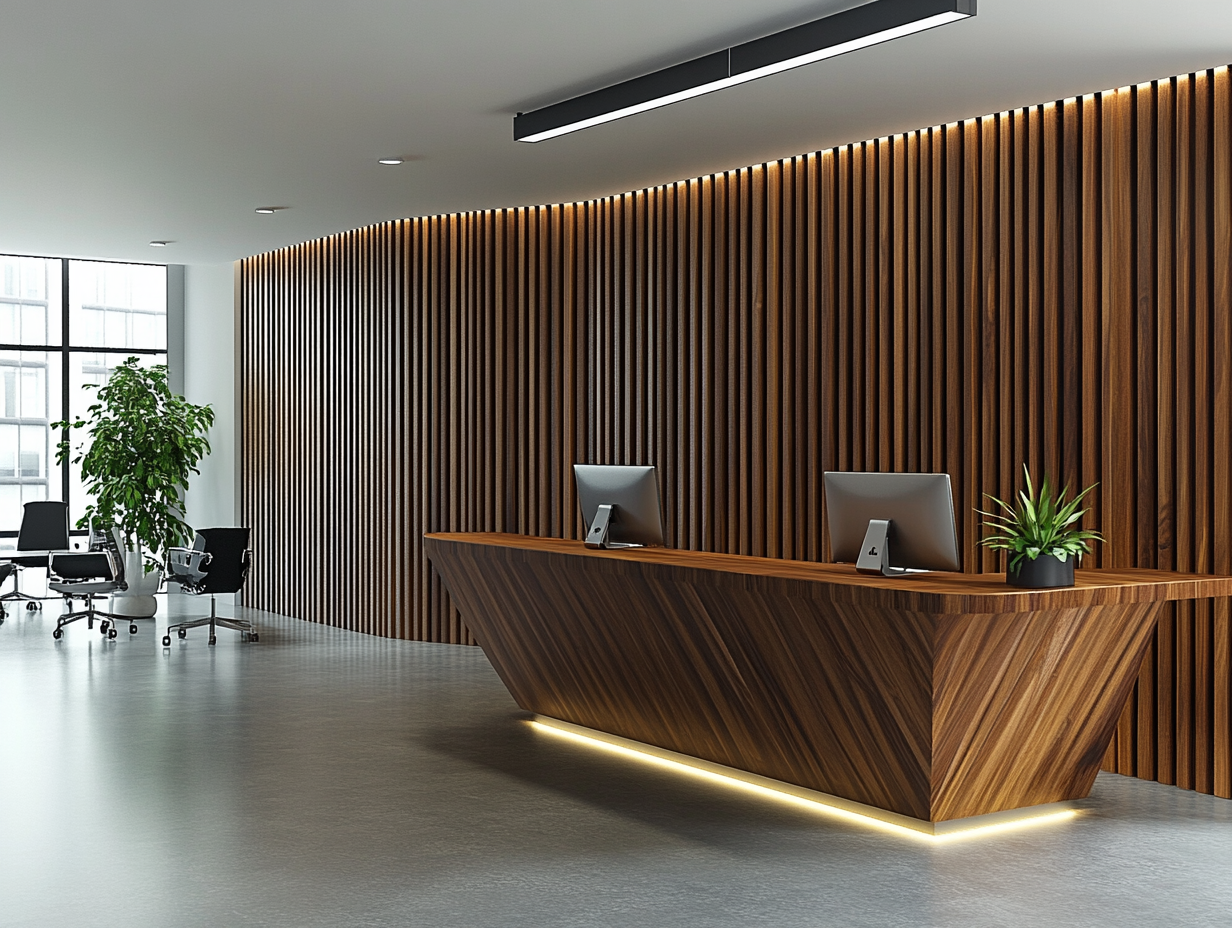
In today’s hyper-connected world, noise pollution is more than just an annoyance; it’s a genuine threat to our well-being. From the incessant hum of traffic to the neighbor’s late-night karaoke, unwanted sounds infiltrate our homes, workplaces, and sanctuaries. This constant bombardment can lead to stress, sleep deprivation, reduced productivity, and even long-term health problems. Soundproofing offers a solution: a way to reclaim your auditory environment and create spaces of tranquility and focus. It’s not just about blocking out noise; it’s about cultivating a richer, more peaceful existence.
Before embarking on your soundproofing journey, it’s crucial to grasp the basic principles of acoustics. Sound travels as waves, and these waves can be transmitted through air, solid materials, and even water. When sound waves encounter a surface, they can be reflected, transmitted, or absorbed. Effective soundproofing relies on two primary strategies: sound absorption and sound blocking. Sound absorption involves using materials that convert sound energy into heat, reducing reflections and reverberation within a space. Conversely, sound blocking employs dense, heavy materials to prevent sound waves from passing through walls, floors, and ceilings.
While professional soundproofing can yield exceptional results, many cost-effective DIY solutions can significantly reduce noise levels. Consider these options:
Sometimes, the most effective soundproofing strategy involves addressing the source of the noise directly. This approach can be particularly helpful for internal noise sources, such as noisy appliances or HVAC systems:
For complex noise issues or situations requiring a high level of sound isolation, professional soundproofing services may be necessary. Acoustic consultants and contractors can assess your specific needs, recommend appropriate solutions, and ensure proper installation. This is especially crucial for:
Soundproofing isn’t just about reducing noise levels; it’s about crafting a sonic landscape that promotes relaxation, focus, and well-being. Consider incorporating white noise machines, nature sounds, or ambient music into your environment to mask distracting noises and create a more calming atmosphere. Experiment with different soundscapes to find what works best for you. Creating a truly soundproofed space involves both physical barriers and a mindful approach to sound management.
The initial cost of soundproofing may seem daunting, but the long-term benefits far outweigh the investment. A soundproofed home or workspace can increase property value, improve sleep quality, enhance productivity, reduce stress levels, and ultimately, contribute to a healthier and happier life. By taking control of your auditory environment, you’re investing in your well-being and creating spaces where you can truly thrive. Embrace the symphony of silence and unlock the transformative power of soundproofing.