
Natural Wooden Acoustics Solutions
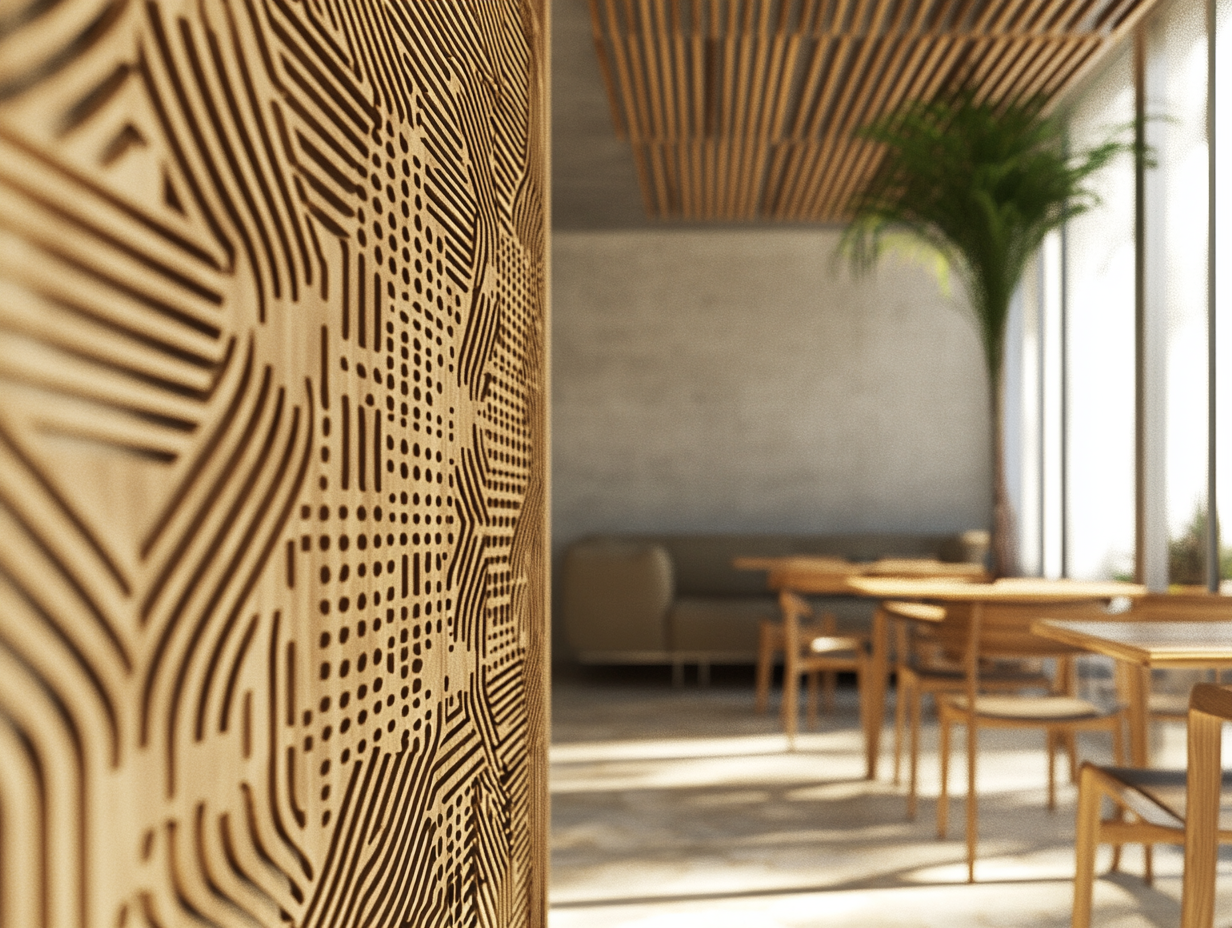
Wooden acoustic panels are more than just aesthetically pleasing wall coverings; they’re powerful tools for sound management, transforming noisy and reverberant spaces into comfortable and focused environments. This guide delves deep into the world of wooden acoustic panels, exploring their construction, benefits, selection process, installation techniques, and maintenance requirements.
Sound absorption is the key to controlling unwanted noise and reverberation. Wooden acoustic panels achieve this through a combination of factors. Perforations or slots in the wood surface allow sound waves to enter the panel. Inside, absorptive materials like mineral wool or acoustic foam convert the sound energy into heat through friction. The size and density of the perforations, along with the characteristics of the absorptive material, determine the panel’s effectiveness at different frequencies. Understanding these principles is crucial for choosing the right panel for your specific needs.
The market offers a wide variety of wooden acoustic panels, each with unique features and applications. Here’s a look at some of the most common types:
These panels feature evenly spaced wooden slats attached to a sound-absorbing backing. They offer a modern aesthetic and are particularly effective at absorbing mid to high-frequency sounds, making them ideal for offices, restaurants, and home theaters.
Perforated panels utilize small holes drilled into a solid wood surface to allow sound to pass through and be absorbed by the backing material. They are versatile and can be used in a variety of settings, offering excellent sound absorption across a broad frequency range.
While not strictly “absorbers,” diffusers scatter sound waves, preventing echoes and standing waves. Solid wood diffusers, often with complex geometric designs, are excellent for enhancing sound clarity in recording studios and concert halls.
Similar to slatted panels, grooved panels feature continuous grooves cut into the wood surface. They offer a more subtle visual texture while still providing effective sound absorption.
Beyond their sound-absorbing properties, wooden acoustic panels offer several advantages:
The primary benefit is, of course, improved acoustics. By reducing reverberation and echo, these panels create a more comfortable and productive environment.
Wooden acoustic panels come in a wide range of finishes, colors, and styles, allowing you to seamlessly integrate them into any interior design scheme. They add warmth, elegance, and visual interest to any space.
In offices and meeting rooms, acoustic panels can help reduce sound leakage, increasing privacy and confidentiality.
By reducing background noise and reverberation, wooden acoustic panels make it easier to understand speech, improving communication and comprehension.
Many wooden acoustic panels are made from sustainably sourced wood and eco-friendly sound-absorbing materials, making them a responsible choice for environmentally conscious consumers.
Selecting the optimal wooden acoustic panels requires careful consideration of several factors:
Larger rooms generally require more sound absorption than smaller rooms. The shape of the room also influences sound behavior and panel placement.
The type of activity that will take place in the space dictates the desired acoustic environment. A home theater requires different acoustic treatment than an office.
Identify the frequencies you want to control. Speech intelligibility, for example, is primarily affected by mid-range frequencies.
The NRC rating indicates a panel’s ability to absorb sound. A higher NRC rating signifies better sound absorption.
Choose panels that complement your existing décor and create the desired visual atmosphere.
Wooden acoustic panels vary in price depending on the materials, construction, and size. Set a budget before you start shopping.
Proper installation is crucial for maximizing the effectiveness of wooden acoustic panels. Here’s a general overview of the installation process:
Ensure the wall surface is clean, dry, and free of debris. Mark the locations where you will install the panels.
Common mounting methods include adhesive, mechanical fasteners (screws or nails), and Z-clips. The best method depends on the type of panel and the wall surface.
Strategic panel placement is key. Focus on areas where sound reflections are most prominent, such as first reflection points on walls and ceilings.
If necessary, use a saw to cut panels to the desired size. Be sure to wear appropriate safety gear.
Conceal any exposed edges or fasteners with trim or molding.
Wooden acoustic panels require minimal maintenance. Regular dusting with a soft cloth is usually sufficient. For more stubborn dirt, use a damp cloth and a mild detergent. Avoid using harsh chemicals or abrasive cleaners.
Wooden acoustic panels are versatile and can be used in a wide range of applications:
Create an immersive cinematic experience by reducing echo and improving sound clarity.
Control sound reflections and standing waves for accurate audio recording and mixing.
Reduce noise levels and improve speech intelligibility for a more productive and comfortable work environment.
Lower the overall noise level and create a more pleasant dining experience.
Improve classroom acoustics and reduce distractions for better learning outcomes.
Control echoes and reduce noise levels to create a more enjoyable workout environment.
The field of wooden acoustics is constantly evolving, with new innovations and trends emerging. Some notable trends include:
Increasing focus on using eco-friendly materials and sustainable manufacturing processes.
Growing demand for custom-designed panels that meet specific acoustic and aesthetic requirements.
Development of acoustic panels that can be controlled and monitored remotely.
Use of sophisticated software to predict and optimize acoustic performance.
Wooden acoustic panels are a valuable investment for anyone seeking to improve the sound quality and aesthetic appeal of their space. By understanding the principles of sound absorption, exploring the different types of panels available, and carefully considering your specific needs, you can choose the perfect panels to create a comfortable, functional, and visually stunning environment.