
Natural Wooden Acoustics Solutions
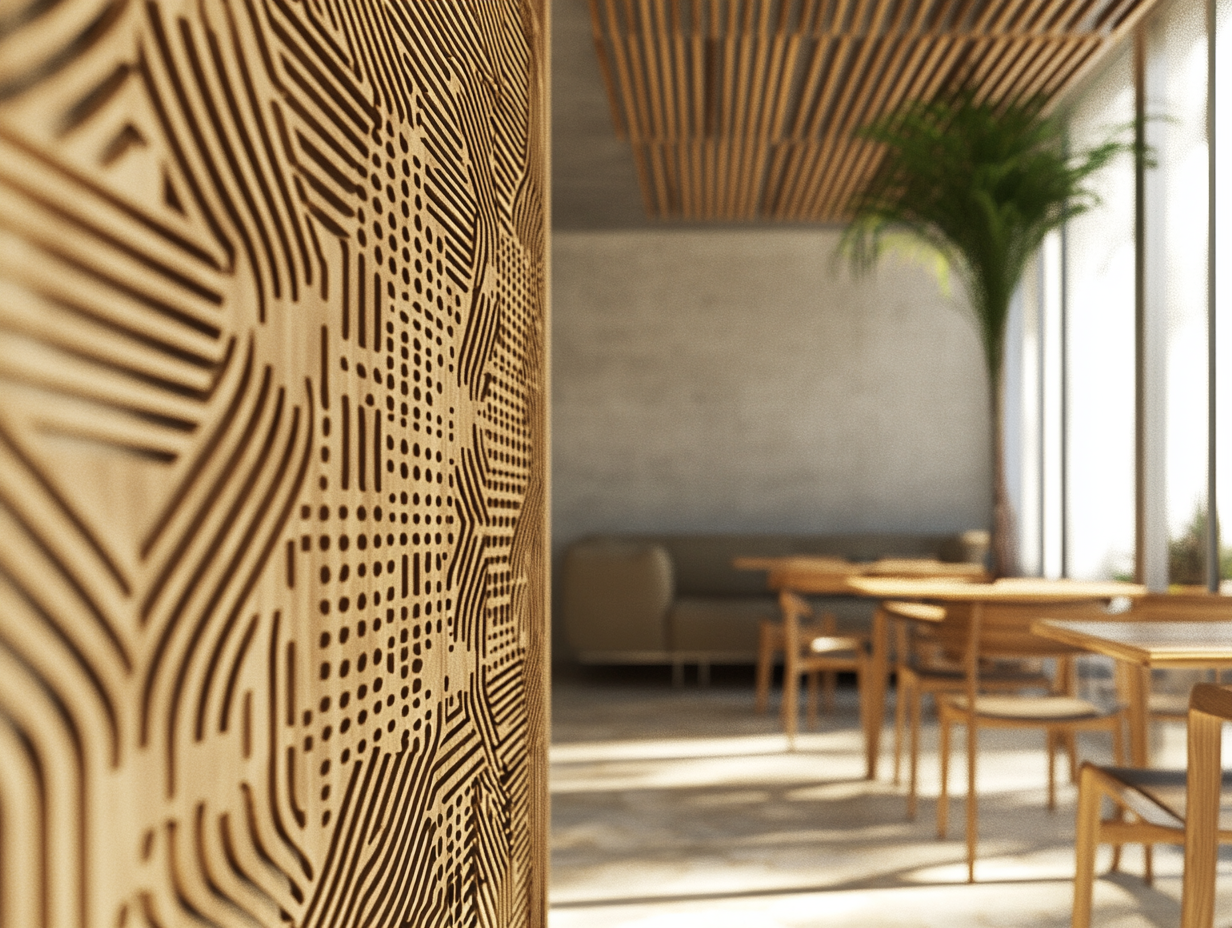
Think of your home as more than just bricks and mortar; it’s a soundscape. Every room hums with subtle sonic vibrations, and the quality of these sounds profoundly impacts your well-being. We rarely consider it, but poor acoustics can be a silent saboteur, negatively affecting everything from productivity and relaxation to communication and even sleep quality.
Ever found yourself straining to hear conversations during family dinners? Or feeling inexplicably irritable after a long day working from home? Chances are, your room’s acoustics are to blame. Excessive reverberation, sound reflections, and unwanted noise create a chaotic sound environment that strains our auditory system, leading to fatigue, stress, and a decreased ability to focus.
So, what exactly are the culprits behind bad home acoustics? The primary offenders are echoes and excessive reverberation. An echo is a distinct, delayed repetition of a sound, usually noticeable in large, empty spaces. Reverberation, on the other hand, is the persistence of sound after the original sound has stopped. It’s that “boomy” or “hollow” sound you might hear in a bathroom or a room with hard, bare surfaces.
Hard surfaces like tile, hardwood floors, glass, and concrete are notorious for reflecting sound waves. These reflections bounce around the room, creating a cacophony of overlapping sounds. The more hard surfaces you have, the longer the reverberation time, and the muddier and less intelligible the sound becomes. Imagine trying to have a phone conversation in a gymnasium – that’s an extreme example of excessive reverberation.
While hard surfaces are the obvious culprits, other factors can contribute to poor acoustics. Room shape plays a significant role; parallel walls, for instance, can create “flutter echoes,” a rapid succession of echoes between the walls. Empty rooms exacerbate acoustic problems, as there are fewer objects to absorb sound.
Even seemingly innocuous elements like large windows can contribute to unwanted sound reflections. And don’t forget about external noise sources – traffic, construction, or noisy neighbors can all seep into your home and negatively impact your acoustic environment. Understanding these hidden offenders is the first step toward creating a more peaceful and functional space.
Now for the good news: you don’t have to live with poor acoustics. There are several effective and aesthetically pleasing solutions, and wooden acoustic panels are a particularly compelling option. Wood, with its natural cellular structure, possesses excellent sound-absorbing properties. It effectively dampens sound reflections and reduces reverberation, creating a more balanced and comfortable listening environment.
But wooden acoustic panels offer more than just superior sound absorption. They also bring warmth, texture, and visual appeal to your space. Available in a variety of styles, finishes, and sizes, wooden acoustic panels can seamlessly integrate into any décor, from modern minimalist to rustic farmhouse. They can be strategically placed on walls and ceilings to target specific acoustic problem areas.
You don’t necessarily need a complete acoustic overhaul to improve your home’s sound quality. Several simple DIY strategies can make a noticeable difference. Adding soft furnishings like rugs, curtains, and upholstered furniture can absorb sound and reduce reverberation. Consider placing bookshelves along walls to diffuse sound waves.
Wall art, especially canvas prints, can also help to absorb sound. And don’t underestimate the power of plants; their leaves and branches can help to break up sound waves and create a more pleasant acoustic environment. Experiment with different arrangements and combinations to find what works best for your space.
While DIY solutions can be effective for minor acoustic issues, more complex problems may require professional help. If you’re dealing with persistent echoes, excessive reverberation, or significant noise intrusion, consider consulting with an acoustic specialist. They can conduct a thorough acoustic analysis of your space and recommend tailored solutions.
An acoustic consultant can identify specific problem areas, measure reverberation times, and recommend the most effective placement of acoustic treatments. They can also advise on soundproofing solutions to minimize external noise. Investing in professional acoustic consultation can be a worthwhile investment, especially for home theaters, recording studios, or any space where sound quality is paramount.
Ultimately, improving your home’s acoustics is an investment in your well-being. By creating a more balanced and comfortable sound environment, you can reduce stress, improve focus, enhance communication, and promote relaxation. Whether you choose to implement DIY solutions or invest in professional acoustic treatments, the benefits of good acoustics will be felt every day.
So, take a closer look at your home’s soundscape. Listen carefully, identify the problem areas, and take steps to create a more peaceful and functional space. Your ears – and your overall well-being – will thank you for it. Explore the possibilities with wooden acoustic solutions and transform your home into a sanctuary of sound.