
Natural Wooden Acoustics Solutions
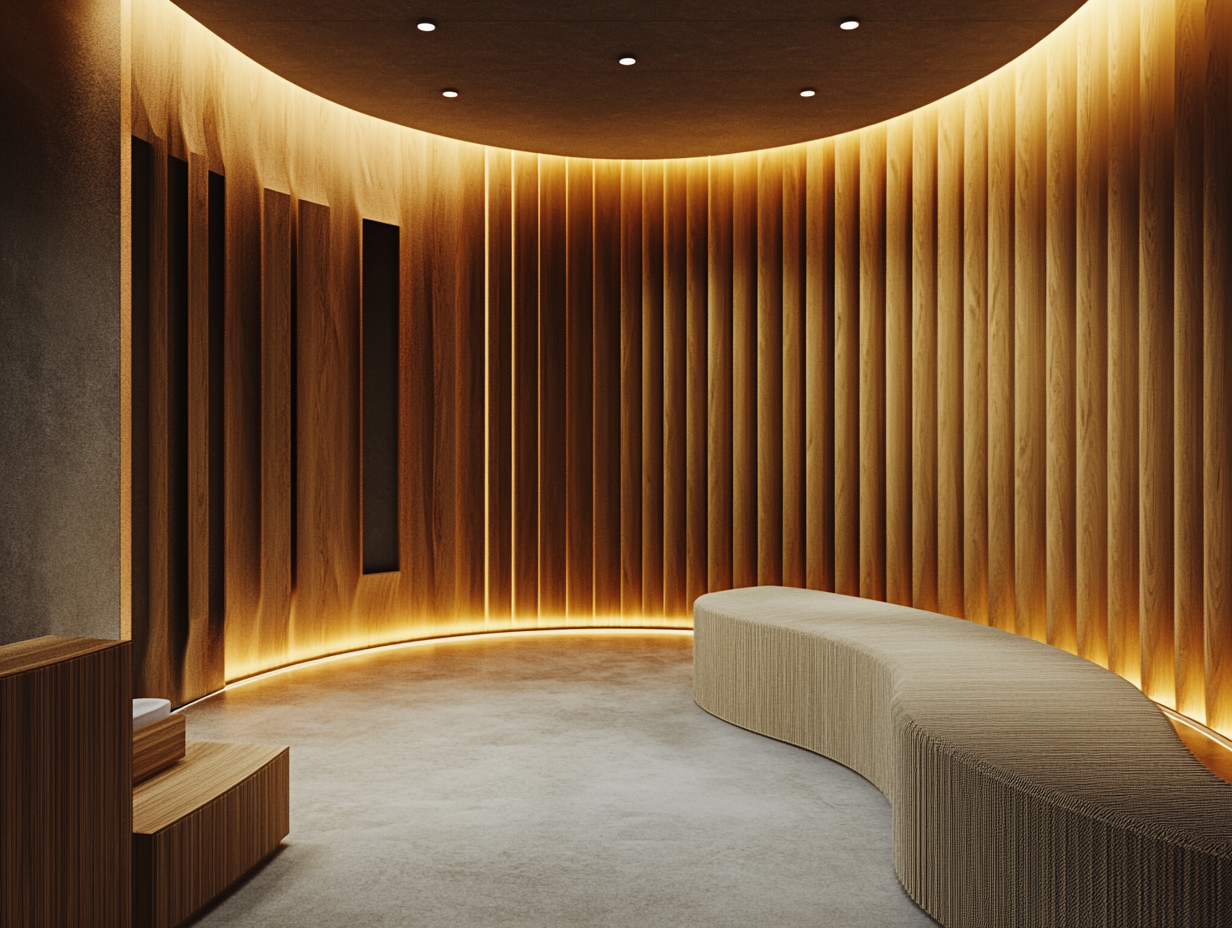
The Sound of Silence: Wooden Acoustic Panels
In today’s increasingly noisy world, the need for acoustic control is paramount. Open-plan offices, bustling restaurants, and minimalist modern homes, while aesthetically pleasing, often suffer from poor sound quality. Reverberation, echoes, and distracting background noise can significantly impact productivity, well-being, and overall comfort. Understanding the science behind sound and its behavior within a space is the first step towards addressing these challenges. Uncontrolled sound waves bounce off hard surfaces, creating unwanted reflections that muddy the clarity of speech and music. This is where acoustic solutions come into play, aiming to absorb or diffuse these sound waves to create a more pleasant and functional environment.
Among the various acoustic solutions available, wooden acoustic panels stand out for their unique blend of aesthetic appeal and acoustic efficiency. Unlike bulky, industrial-looking soundproofing materials, wooden panels offer a natural warmth and elegance that complements a wide range of interior design styles. Available in a variety of wood species, finishes, and patterns, they can be seamlessly integrated into existing spaces or incorporated into new construction projects. Beyond aesthetics, wooden acoustic panels are highly effective at absorbing sound across a broad frequency range, reducing reverberation time and improving speech intelligibility. This is achieved through a combination of factors, including the panel’s porous structure, its surface area, and the use of strategically placed perforations or grooves.
The versatility of wooden acoustic panels is further enhanced by the diverse range of types available, each offering unique acoustic properties and aesthetic characteristics.
Slatted Panels: Featuring parallel wooden slats with gaps in between, these panels excel at absorbing mid-range frequencies, making them ideal for spaces where speech intelligibility is crucial.
Perforated Panels: These panels are characterized by small, precisely drilled holes that act as resonators, absorbing sound energy at specific frequencies. They are effective in controlling both mid and high frequencies.
Grooved Panels: Similar to slatted panels, grooved panels feature channels or grooves cut into the surface, increasing the surface area and enhancing sound absorption.
Diffusor Panels: Rather than absorbing sound, diffusor panels scatter sound waves in multiple directions, creating a more even sound field and preventing unwanted echoes or flutter echoes.
Solid Wood Panels with Acoustic Backing: These panels offer the visual appeal of solid wood with the added benefit of a sound-absorbing backing material, such as fiberglass or mineral wool.
The choice of panel type will depend on the specific acoustic requirements of the space and the desired aesthetic effect.
Choosing wooden acoustic panels goes beyond simply improving sound quality. Wood is a naturally renewable resource, making it a sustainable choice for environmentally conscious consumers. Sourcing wood from responsibly managed forests ensures that the panels contribute to a healthy ecosystem and support sustainable forestry practices. Furthermore, the inherent beauty of wood adds a touch of natural elegance to any space, creating a warm and inviting atmosphere. The variety of wood species, finishes, and patterns available allows for endless design possibilities, enabling architects and designers to create visually stunning and acoustically optimized environments.
The installation of wooden acoustic panels is typically straightforward and can be accomplished by experienced contractors or even DIY enthusiasts with the right tools and knowledge. Panels can be mounted directly to walls or ceilings using adhesives, screws, or clips. Proper installation is crucial to ensure optimal acoustic performance. Regular maintenance is minimal, typically involving dusting or vacuuming to remove any surface debris. With proper care, wooden acoustic panels can provide years of reliable performance and aesthetic appeal.
Wooden acoustic panels are suitable for a wide range of applications, including:
Offices: Improving speech intelligibility in conference rooms and reducing distracting noise in open-plan workspaces.
Restaurants and Bars: Creating a more pleasant dining experience by reducing reverberation and background noise.
Home Theaters: Enhancing sound quality for a more immersive viewing experience.
Recording Studios: Providing accurate and controlled acoustics for professional audio recording.
Educational Facilities: Improving learning environments by reducing noise and distractions in classrooms and lecture halls.
Healthcare Facilities: Creating a calmer and more healing environment for patients and staff.
Selecting the right wooden acoustic panels requires careful consideration of several factors, including the size and shape of the space, the type of activities that will take place within the space, the desired acoustic performance, and the overall aesthetic goals. Consulting with an acoustic expert can help you determine the optimal panel type, size, and placement to achieve your desired results. Factors to consider include the Noise Reduction Coefficient (NRC) of the panels, which measures their ability to absorb sound, and the fire rating, which is important for safety in certain applications.
The field of wooden acoustics is constantly evolving, with ongoing research and development leading to innovative new products and technologies. Advancements in wood processing, panel design, and acoustic materials are pushing the boundaries of what is possible, creating even more effective and aesthetically pleasing acoustic solutions. From digitally fabricated panels with complex geometries to sustainable wood composites with enhanced acoustic properties, the future of wooden acoustics is bright, promising a world where sound is controlled, enhanced, and appreciated.