
Natural Wooden Acoustics Solutions
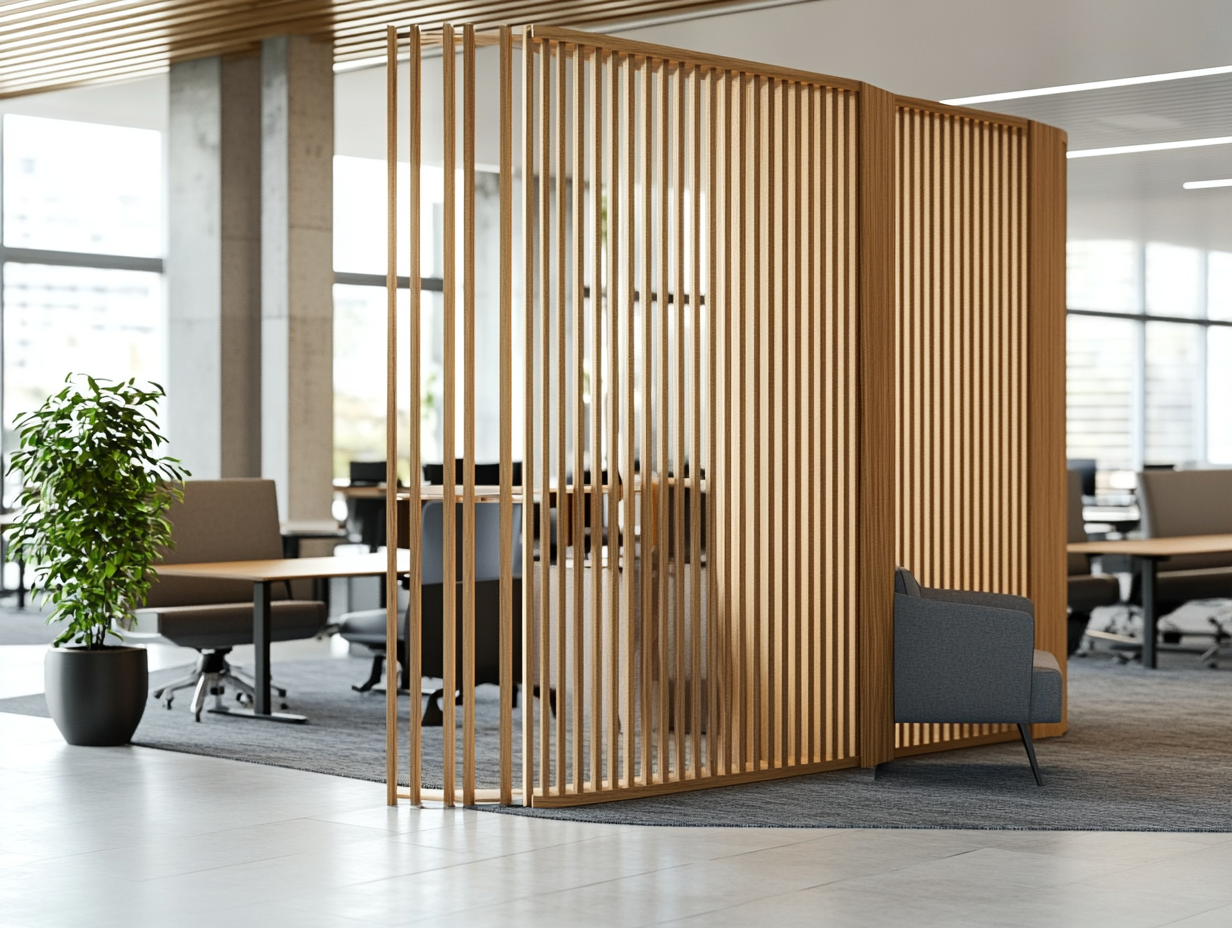
Wooden Acoustic Panels: Banish Bad Acoustics, Embrace Beautiful Sound
We rarely think about it until it’s a problem. But the way sound behaves within a space dramatically impacts our comfort, productivity, and overall well-being. Poor acoustics, characterized by excessive echo, reverberation, and unwanted noise, can lead to fatigue, difficulty concentrating, and even increased stress levels. Whether it’s a bustling office, a lively restaurant, or your own home theater, unpleasant sound environments detract from the experience and hinder communication.
Fortunately, there’s a stylish and effective solution: wooden acoustic panels. These panels, meticulously crafted from wood and designed with sound absorption in mind, offer a powerful way to tame unruly sound waves and create a more harmonious environment. Unlike unsightly foam panels, wooden acoustic panels seamlessly integrate into your existing decor, adding a touch of warmth and sophistication while significantly improving sound quality.
Wooden acoustic panels aren’t just beautiful; they’re scientifically engineered. They typically consist of a perforated or slotted wood surface backed by a sound-absorbing material, such as mineral wool or fiberglass. When sound waves encounter the panel, they pass through the perforations or slots and are absorbed by the backing material. This process reduces the amount of sound reflected back into the room, minimizing echo and reverberation. The size and spacing of the perforations or slots, along with the type and thickness of the backing material, are carefully calculated to optimize sound absorption across a range of frequencies. This precision ensures that the panels effectively target the specific acoustic issues prevalent in different environments.
Wooden acoustic panels offer unparalleled design flexibility. Available in a vast array of wood species, finishes, sizes, and patterns, they can be customized to complement any architectural style, from modern minimalist to rustic traditional. Whether you’re looking for sleek, minimalist panels to blend seamlessly into a contemporary office or warm, textured panels to add character to a home recording studio, the options are virtually limitless. Many manufacturers also offer custom printing and engraving services, allowing you to incorporate logos, artwork, or unique designs into your panels. This level of customization transforms acoustic treatment from a purely functional necessity into an integral part of your interior design.
The benefits of wooden acoustic panels extend to a wide range of applications:
Offices: Reduce distractions and improve speech intelligibility in conference rooms, open-plan workspaces, and call centers.
Restaurants and Bars: Create a more intimate and enjoyable dining experience by reducing noise levels and improving conversation clarity.
Home Theaters and Recording Studios: Achieve optimal sound quality for immersive entertainment and professional audio production.
Educational Institutions: Enhance learning environments by minimizing distractions and improving audibility in classrooms and lecture halls.
Houses of Worship: Create a more reverent atmosphere by controlling reverberation and improving speech clarity.
Gymnasiums and Sports Arenas: Reduce echo and reverberation to improve communication and create a more comfortable environment for athletes and spectators.
Installing wooden acoustic panels is typically a straightforward process. Many panels are designed for easy DIY installation using common tools and hardware. However, for larger projects or complex installations, professional installation is recommended to ensure optimal performance and a flawless finish. Consider factors like wall surface material, panel size, and mounting method when deciding whether to tackle the installation yourself or hire a professional.
Selecting the right wooden acoustic panels requires careful consideration of several factors:
Room Size and Shape: Larger rooms typically require more sound absorption than smaller rooms. The shape of the room also influences sound reflections and reverberation.
Frequency Range: Different materials absorb sound at different frequencies. Identify the primary acoustic issues in your space (e.g., low-frequency rumble, high-frequency echo) and choose panels that are effective at addressing those frequencies.
NRC Rating: The Noise Reduction Coefficient (NRC) is a measure of a material’s ability to absorb sound. A higher NRC rating indicates greater sound absorption.
Aesthetic Preferences: Choose panels that complement your existing decor and meet your design goals.
Budget: Wooden acoustic panels range in price depending on the materials, size, and customization options.
Increasingly, consumers are seeking sustainable and eco-friendly products. Many manufacturers offer wooden acoustic panels made from sustainably sourced wood, recycled materials, and low-VOC finishes. Look for certifications like FSC (Forest Stewardship Council) to ensure that the wood used in your panels comes from responsibly managed forests.
Wooden acoustic panels are more than just an aesthetic upgrade; they’re an investment in your comfort, productivity, and overall well-being. By taming unwanted sound and creating a more harmonious environment, these panels can transform any space into a more enjoyable and functional place to live, work, and play. Don’t let bad acoustics hold you back. Embrace the beauty and functionality of wooden acoustic panels and experience the transformative power of good sound.