
Natural Wooden Acoustics Solutions
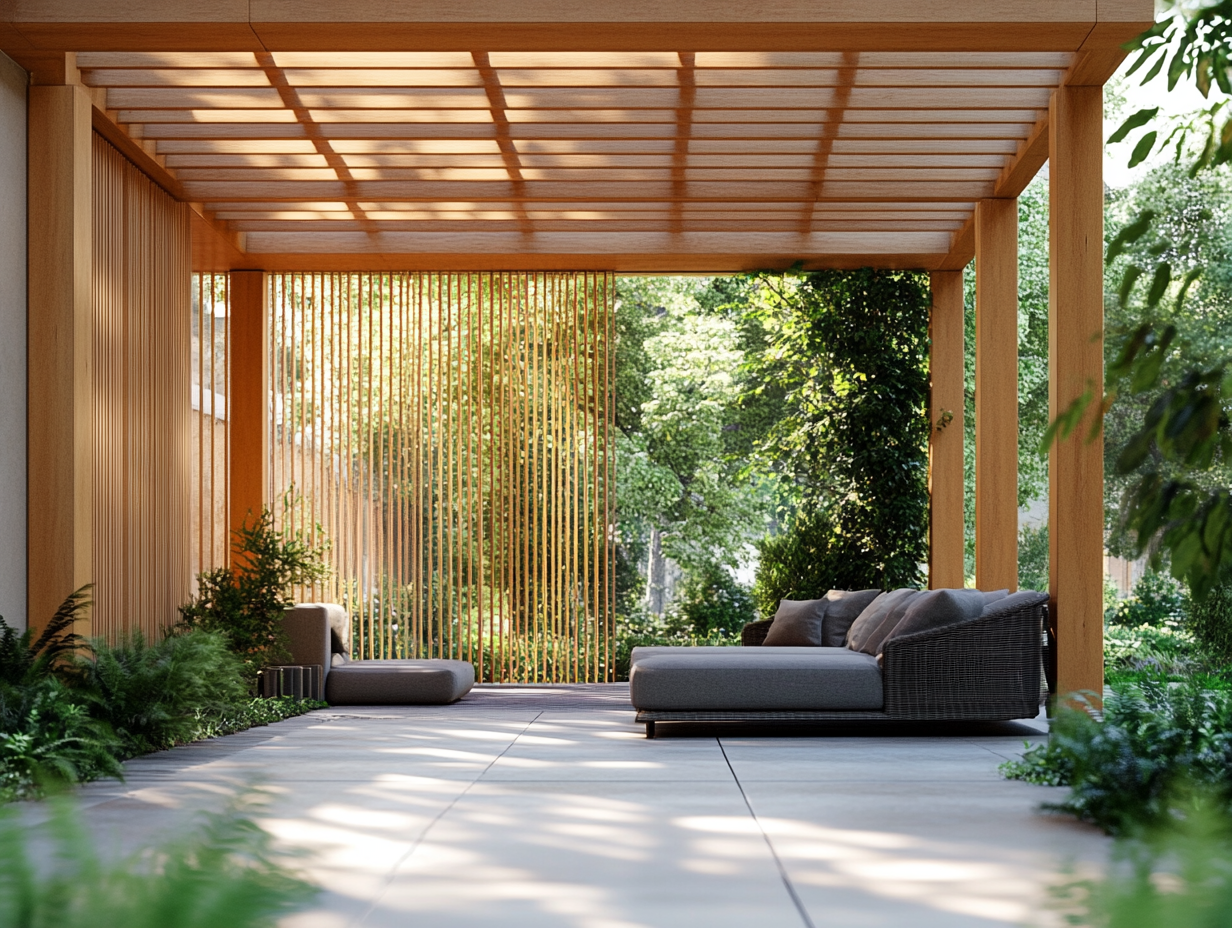
Wooden Acoustic Panels: Banish Echoes & Unleash Your Room’s Potential
We often curate our spaces meticulously, focusing on aesthetics and functionality. Yet, a crucial element frequently overlooked is acoustics. Excessive reverberation, or echoes, can turn a stylish living room into a chaotic soundscape, a productive office into a distracting environment, and a state-of-the-art home theater into an auditory nightmare. These unwanted sound reflections degrade clarity, intelligibility, and overall enjoyment of the space. The good news? A simple, elegant solution exists: wooden acoustic panels.
Acoustic panels come in various materials, but wood offers a compelling combination of acoustic performance and aesthetic appeal. Unlike fabric-wrapped or foam panels, wooden acoustic panels bring a natural warmth and sophistication to any interior design. More importantly, the inherent properties of wood, particularly when engineered with strategic perforations or grooves, effectively absorb and diffuse sound waves. This dual action tames echoes and reduces reverberation time, creating a more balanced and pleasant auditory experience. The density of the wood, the depth and pattern of the perforations, and the underlying acoustic backing material all contribute to the panel’s overall performance, allowing for customized acoustic solutions.
Sound absorption and diffusion are the cornerstones of acoustic treatment. Absorption reduces the energy of sound waves by converting them into heat within the panel’s material. This minimizes echoes and shortens reverberation time. Diffusion, on the other hand, scatters sound waves in multiple directions, preventing the formation of strong reflections and creating a more even sound field. Wooden acoustic panels, especially those with grooved or slatted designs, excel at both absorption and diffusion, providing a comprehensive acoustic solution that addresses a wide range of sound-related issues.
Wooden acoustic panels are more than just sound-absorbing materials; they are design elements that can enhance the visual appeal of any room. Available in a wide array of wood species, finishes, and patterns, they seamlessly integrate into various architectural styles, from modern minimalist to rustic farmhouse. Whether you prefer the clean lines of a linear slatted panel or the intricate detailing of a perforated design, wooden acoustic panels offer unparalleled design flexibility. They can be used to create feature walls, conceal unsightly utilities, or simply add a touch of elegance and sophistication to your space.
The versatility of wooden acoustic panels makes them suitable for a diverse range of applications, including:
Home Theaters: Achieve optimal sound quality for an immersive cinematic experience.
Living Rooms: Create a comfortable and inviting space for conversations and relaxation.
Offices and Conference Rooms: Enhance speech intelligibility and reduce distractions for improved productivity.
Restaurants and Cafes: Lower noise levels and create a more enjoyable dining atmosphere.
Recording Studios: Ensure accurate sound reproduction for professional audio recording.
Schools and Classrooms: Improve speech clarity and reduce noise levels for a better learning environment.
Installing wooden acoustic panels is a straightforward process that can be completed by DIY enthusiasts or professional installers. Panels are typically mounted using adhesives, screws, or a combination of both. The specific installation method will depend on the type of panel, the wall surface, and the desired aesthetic. Properly installed panels not only improve acoustics but also add a touch of visual sophistication to your space. Planning the layout and spacing of the panels is crucial for achieving optimal acoustic performance and aesthetic appeal.
Selecting the right wooden acoustic panels requires careful consideration of several factors, including:
Room Size and Shape: Larger rooms typically require more acoustic treatment than smaller rooms.
Existing Room Acoustics: Assess the current level of reverberation and identify areas that need improvement.
Desired Aesthetic: Choose panels that complement your existing decor and architectural style.
Acoustic Performance Requirements: Consider the specific acoustic challenges of your space and select panels with appropriate sound absorption and diffusion coefficients.
Budget: Wooden acoustic panels range in price depending on the material, size, and design.
Investing in wooden acoustic panels is an investment in the quality of your environment and your overall well-being. By reducing noise levels and improving sound clarity, these panels create spaces that are more comfortable, productive, and enjoyable. The enduring beauty and durability of wood ensure that your investment will provide lasting acoustic and aesthetic benefits for years to come. Upgrade your space today and discover the transformative power of wooden acoustic panels.