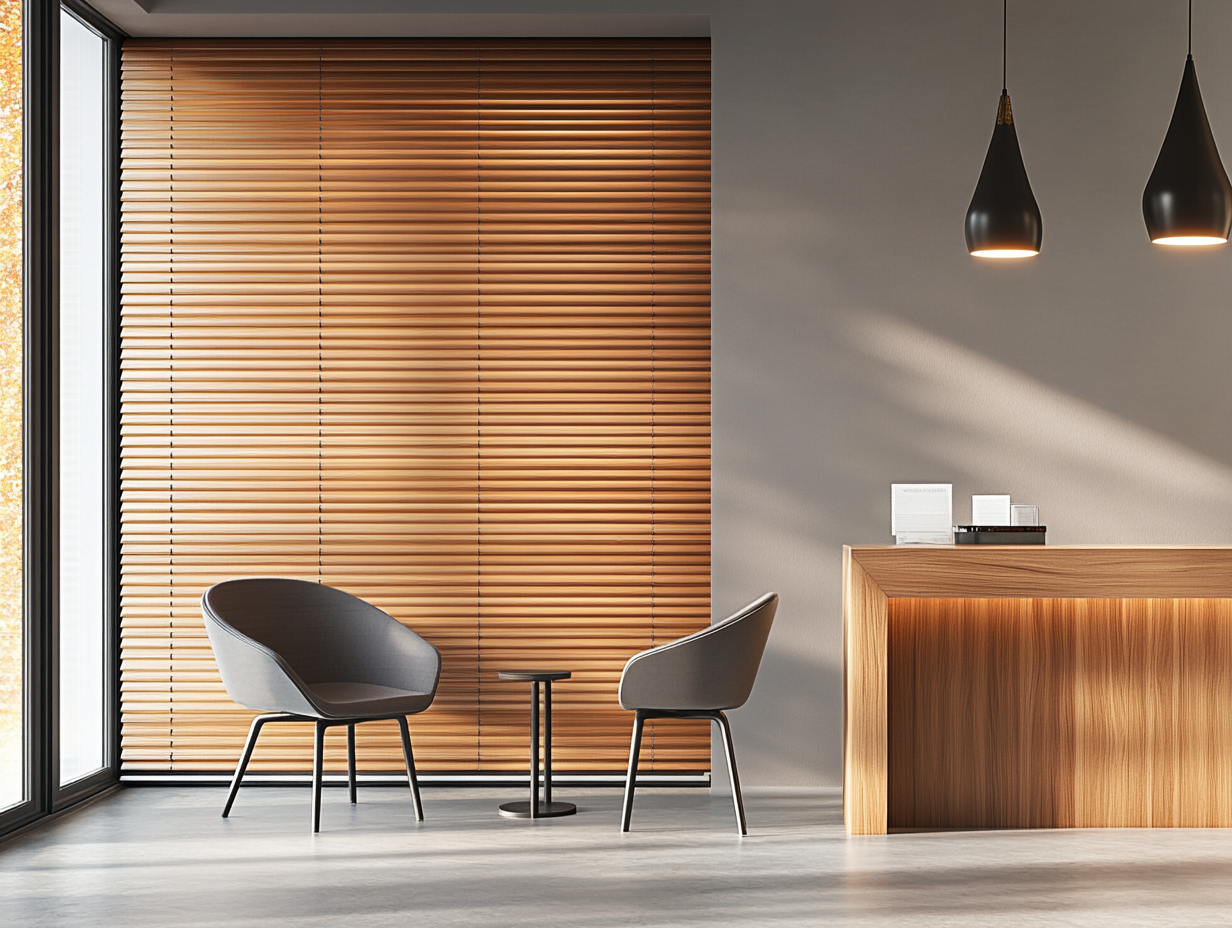
Wooden Acoustic Panels: Design a Serene Workspace for Better Focus
The Symphony of Silence: Why Acoustics Matter in the Modern Workplace
In today’s dynamic work environments, noise is an inescapable reality. Open-plan offices, bustling call centers, and collaborative workspaces, while fostering communication, often create a cacophony that significantly impacts productivity and well-being. Excessive noise leads to distractions, increased stress levels, and difficulty concentrating, ultimately hindering focus and creativity. The solution? Intentional acoustic design, starting with the strategic implementation of wooden acoustic panels.
What are Wooden Acoustic Panels and How Do They Work?
Wooden acoustic panels are specifically engineered sound-absorbing materials designed to reduce reverberation and echo within a space. Unlike soundproofing, which aims to block sound transmission, acoustic panels improve sound quality within a room. They achieve this by absorbing sound waves, preventing them from bouncing endlessly off hard surfaces like walls, ceilings, and floors.
These panels typically consist of a core material, often mineral wool or fiberglass, encased in a decorative wood veneer or finish. The porous nature of the core allows sound waves to penetrate the panel, where the energy is converted into heat through friction, effectively dampening the sound. The wood veneer acts as a visual element and, depending on its design (perforated, slotted, or solid), can contribute to the panel’s overall acoustic performance.
The Advantages of Choosing Wood for Acoustic Control
While various acoustic panel materials exist, wood offers a unique blend of functionality and aesthetics. Here’s why wooden acoustic panels are an excellent choice for creating a serene and focused workspace:
- Superior Sound Absorption: Engineered wood panels, especially those with perforations or slots, provide exceptional sound absorption across a wide range of frequencies, effectively reducing echo and reverberation.
- Warm and Inviting Aesthetics: Wood adds a touch of natural beauty and warmth to any interior. Its inherent visual appeal creates a more comfortable and inviting atmosphere, contributing to a positive work environment.
- Design Versatility: Wooden acoustic panels are available in a vast array of styles, finishes, and sizes. They can be seamlessly integrated into existing decor or used to create a bold design statement. From sleek, modern designs to rustic, textured finishes, the possibilities are endless.
- Sustainability: Choosing FSC-certified wood panels ensures that the material comes from responsibly managed forests, contributing to sustainable building practices.
- Durability and Longevity: Wood is a durable and long-lasting material, making wooden acoustic panels a worthwhile investment for any workspace.
Designing Your Acoustic Workspace: Key Considerations
Creating a truly serene workspace with wooden acoustic panels requires careful planning and consideration. Here are some key factors to keep in mind:
- Identify Noise Sources: Pinpoint the primary sources of noise within your workspace. Is it keyboard clatter, phone conversations, or external traffic noise? Understanding the noise profile helps you determine the appropriate type and placement of acoustic panels.
- Determine Panel Coverage: As a general rule, aim to cover at least 25-30% of the wall and ceiling surface area with acoustic panels. A professional acoustic assessment can provide more precise recommendations based on your specific space and noise levels.
- Consider Panel Placement: Strategic placement is crucial for optimal acoustic performance. Focus on areas where sound waves are likely to reflect, such as walls opposite each other and near noise sources. Ceiling panels are also highly effective in absorbing sound.
- Choose the Right Panel Type: Different panel types offer varying levels of sound absorption. Perforated and slotted panels generally provide better absorption at higher frequencies, while thicker panels are more effective at absorbing lower frequencies.
- Match Aesthetics to Your Brand: Select panels that complement your company’s branding and create the desired atmosphere. Consider the color, finish, and texture of the wood to achieve a cohesive and visually appealing design.
Beyond Panels: Complementary Acoustic Solutions
While wooden acoustic panels are a cornerstone of acoustic design, they are most effective when combined with other sound-dampening strategies:
- Acoustic Furniture: Incorporate furniture with built-in acoustic properties, such as high-backed chairs, privacy screens, and sound-absorbing booths.
- Soft Flooring: Replace hard flooring with carpets or rugs to absorb sound reflections.
- Sound Masking Systems: Consider using sound masking systems to introduce ambient noise that can cover up distracting sounds.
- Plants: Plants can help absorb sound and create a more calming environment.
Investing in Focus: The Return on Acoustic Design
Investing in wooden acoustic panels is an investment in your employees’ well-being and productivity. By creating a serene and focused workspace, you can:
- Reduce Stress and Improve Mood: A quieter environment promotes relaxation and reduces stress levels, leading to improved mood and overall well-being.
- Increase Concentration and Productivity: Minimizing distractions allows employees to focus more effectively on their tasks, resulting in increased productivity.
- Enhance Communication: Improved acoustics make it easier to understand conversations and collaborate effectively.
- Create a More Professional Image: A well-designed workspace with attention to acoustics demonstrates a commitment to employee comfort and professionalism.
Transform your workspace into a haven of tranquility with the natural beauty and sound-absorbing power of wooden acoustic panels. Contact us today to learn more about our wide selection of panels and how we can help you design a more focused and productive environment.