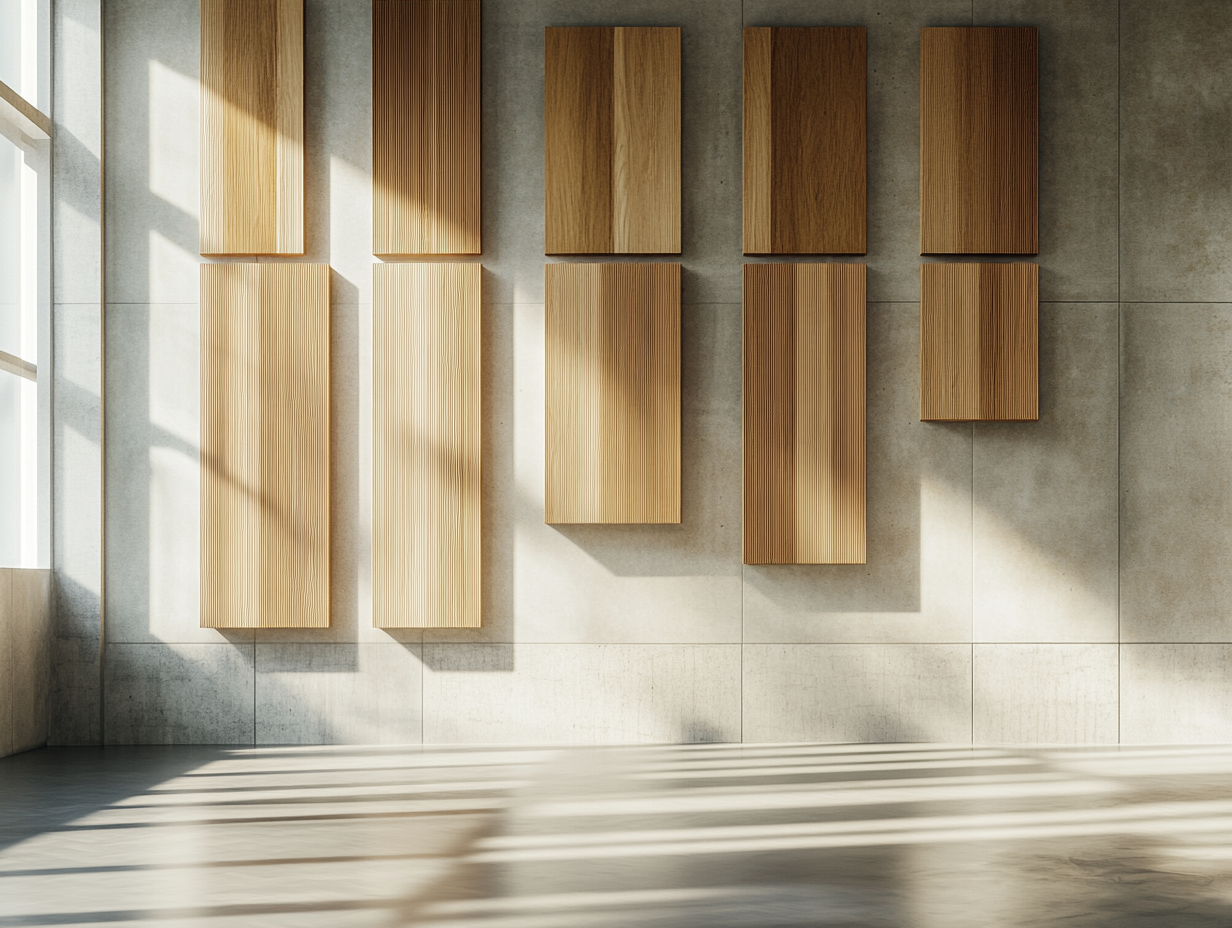
The Symphony of Silence: Soundproofing with Style
In today’s bustling world, creating a tranquil sanctuary within your home or office is more important than ever. The relentless intrusion of external noise can disrupt focus, hinder relaxation, and even impact overall well-being. Fortunately, achieving acoustic serenity doesn’t necessitate sacrificing aesthetic appeal. Wooden acoustic panels offer a sophisticated solution, seamlessly blending sound absorption with visual elegance.
<h3> Why Choose Wooden Acoustic Panels? </h3>
Wooden acoustic panels stand apart from conventional soundproofing materials due to their unique combination of functionality and design versatility. They are crafted to absorb sound waves, reducing reverberation and echoes within a room. But their beauty lies in their ability to do so while enhancing the aesthetic of your space. Consider these advantages:
- Aesthetic Versatility: From rustic charm to modern minimalism, wooden panels can be customized to complement any interior design style.
- Superior Sound Absorption: Precisely engineered to effectively absorb a wide range of frequencies, creating a balanced and comfortable acoustic environment.
- Eco-Friendly Options: Many wooden panels are sourced from sustainable forests, making them an environmentally conscious choice.
- Durability and Longevity: Wooden panels are built to last, providing long-term acoustic benefits and enhancing the value of your property.
- Easy Installation: Designed for straightforward installation, allowing for DIY projects or professional setup.
<h3> Designing Your Soundproof Sanctuary: Key Considerations </h3>
Before embarking on your soundproofing project, careful planning is essential. Consider these factors to maximize the effectiveness and aesthetic impact of your wooden acoustic panels:
- Room Size and Shape: The dimensions and configuration of your room will influence the number and placement of panels required.
- Noise Sources: Identify the primary sources of noise intrusion (e.g., street traffic, neighboring rooms, machinery).
- Panel Placement: Strategically position panels to target sound reflections and absorption, often on walls and ceilings.
- Material Selection: Choose wood types, finishes, and panel thicknesses that align with your desired aesthetic and acoustic performance. Different wood species offer varying acoustic properties.
- Aesthetic Integration: Consider how the panels will integrate with existing furniture, décor, and architectural elements.
<h3> Panel Styles and Design Ideas: Unleashing Your Creativity </h3>
The beauty of wooden acoustic panels lies in their adaptability. Explore these design ideas to inspire your soundproofing project:
- Slatted Panels: Contemporary and minimalist, slatted panels offer excellent sound absorption and visual interest.
- Perforated Panels: Featuring precisely engineered perforations, these panels provide a subtle yet effective acoustic solution.
- Solid Wood Panels: Classic and timeless, solid wood panels offer a warm and inviting aesthetic.
- Geometric Patterns: Create dynamic visual effects with panels arranged in geometric patterns.
- Custom Designs: Collaborate with artisans to create bespoke panels that reflect your unique style and vision.
Consider using different stains, textures, and mounting techniques to achieve the perfect look. Incorporate lighting to highlight the panels and create ambiance.
<h3> Installation Guide: A Step-by-Step Approach </h3>
Installing wooden acoustic panels is a relatively straightforward process. However, proper preparation and technique are crucial for optimal results. Here’s a general guide:
- Preparation: Ensure the wall or ceiling surface is clean, dry, and structurally sound.
- Measurement and Planning: Accurately measure the area and plan the panel layout. Use a laser level for precise alignment.
- Adhesive Application: Apply a suitable construction adhesive to the back of the panels, following the manufacturer’s instructions.
- Panel Placement: Carefully position the panels onto the wall or ceiling, applying even pressure.
- Fastening (Optional): For added security, consider using screws or nails to fasten the panels. Conceal fasteners with wood filler.
- Finishing Touches: Clean any excess adhesive and inspect the installation for any imperfections.
Always consult the manufacturer’s instructions for specific installation guidelines.
<h3> Beyond Soundproofing: Additional Benefits of Wooden Panels </h3>
While primarily designed for sound absorption, wooden acoustic panels offer several additional benefits:
- Improved Speech Intelligibility: Reduces echoes and reverberation, making speech clearer and easier to understand.
- Enhanced Privacy: Minimizes sound transmission between rooms, increasing privacy and confidentiality.
- Increased Property Value: Adds a touch of sophistication and functionality, enhancing the value of your home or office.
- Reduced Stress and Fatigue: Creates a more comfortable and relaxing environment, reducing stress and mental fatigue.
<h3> Investing in Acoustic Comfort: A Worthwhile Investment </h3>
Wooden acoustic panels represent a worthwhile investment in your well-being, productivity, and property value. By seamlessly blending sound absorption with aesthetic appeal, they offer a sophisticated solution for creating a soundproof sanctuary without sacrificing style. Explore the possibilities and transform your space into a haven of tranquility.