
Natural Wooden Acoustics Solutions
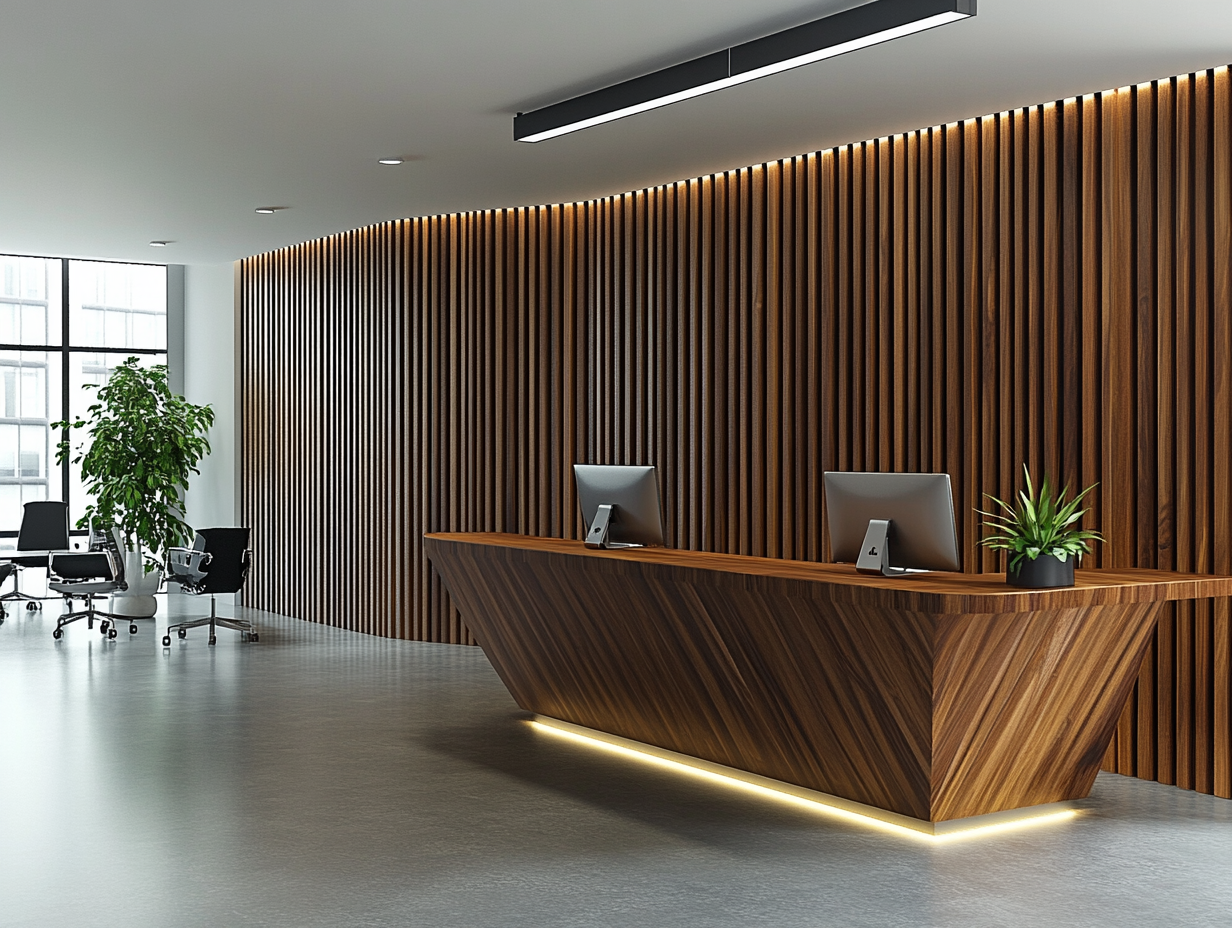
Wooden Acoustic Panels: Design Solutions for Every Style
`
For years, architects, interior designers, and homeowners have sought effective solutions for managing sound within a space. The quest for acoustic comfort often collided with aesthetic preferences, leaving many to compromise between functionality and visual appeal. Fortunately, wooden acoustic panels offer a seamless blend of both, providing exceptional sound absorption while enhancing the visual character of any room. This article explores the diverse applications and design possibilities of wooden acoustic panels, demonstrating how they can be seamlessly integrated into a variety of styles, from modern minimalist to rustic traditional.
`
Before delving into design, it’s crucial to understand the principles behind acoustic panel performance. Sound travels in waves. When these waves encounter a hard surface, they reflect, creating echoes and reverberation. Acoustic panels, particularly those made of wood, are designed to absorb a significant portion of these sound waves. The porous nature of wood, combined with strategically placed perforations, slots, or grooves, allows sound energy to be converted into heat through friction. The effectiveness of a panel depends on factors like wood density, surface texture, perforation pattern, and the presence of an acoustic backer material. Understanding these elements allows you to select the ideal panel configuration for your specific needs, whether it’s reducing echo in a large conference room or minimizing noise transfer between apartments.
`
In modern minimalist designs, simplicity and functionality reign supreme. Wooden acoustic panels can contribute to this aesthetic by providing a sleek, unobtrusive solution for sound control. Opt for panels with clean lines, minimal detailing, and light wood finishes like maple or birch. Install them as full wall coverings for a visually striking effect or integrate them subtly as feature walls or ceiling panels. Perforated panels with micro-perforations offer excellent sound absorption without compromising the clean, streamlined look. Consider using hidden mounting systems to maintain a seamless, uncluttered appearance.
`
For spaces embracing rustic or farmhouse aesthetics, wooden acoustic panels can add warmth, texture, and natural appeal. Choose panels crafted from reclaimed wood, featuring visible knots, grain patterns, and variations in color. Solid wood panels or those with a lightly textured surface provide a more organic and authentic feel. Consider incorporating wooden acoustic diffusers alongside absorption panels to scatter sound waves and create a more natural and lively acoustic environment. These panels can be used as accent walls, headboards, or even as cladding for islands or bars.
`
Contemporary design encourages experimentation and self-expression. Wooden acoustic panels can be transformed into stunning artistic features through various techniques. Explore options like custom-printed panels, panels with intricate geometric patterns, or those incorporating different wood species for contrasting colors and textures. Consider using panels as part of a larger art installation, combining them with lighting and other materials to create a dynamic and visually captivating space. Don’t be afraid to play with colors and finishes – from bold stains to metallic accents – to create a truly unique and impactful design.
`
Even in traditionally styled spaces, wooden acoustic panels can find a place, enhancing both the acoustics and the overall ambiance. Select panels with classic profiles, such as raised panel designs or those with intricate carvings. Darker wood finishes like walnut or mahogany evoke a sense of sophistication and elegance. Fabric-wrapped acoustic panels with wooden frames offer a refined aesthetic while providing excellent sound absorption. These panels can be seamlessly integrated into wainscoting, coffered ceilings, or as decorative wall panels.
`
Wooden acoustic panels are invaluable in commercial settings, where noise control is crucial for productivity and comfort. In offices, they can reduce distractions and improve speech intelligibility in meeting rooms and open-plan workspaces. In restaurants and bars, they can create a more intimate and enjoyable dining experience by minimizing reverberation. In educational institutions, they can enhance learning environments by reducing noise levels in classrooms and lecture halls. Choose panels with a high Noise Reduction Coefficient (NRC) rating for optimal sound absorption in these demanding environments.
`
Proper installation is essential for maximizing the acoustic performance and longevity of wooden acoustic panels. Follow the manufacturer’s instructions carefully, ensuring that the panels are securely mounted and that any necessary acoustic backing is properly installed. Regular cleaning and maintenance will help to preserve the appearance and acoustic properties of the panels. Dust the panels regularly with a soft cloth or vacuum with a brush attachment. Avoid using harsh chemicals or abrasive cleaners, as these can damage the wood finish.
`
Choosing the right wooden acoustic panels requires careful consideration of various factors, including the desired aesthetic, the acoustic requirements of the space, and the budget. Consult with an acoustic consultant or a reputable supplier to determine the best panel type, size, and configuration for your specific needs. Request samples to evaluate the appearance and sound absorption qualities of different panel options. By carefully planning and selecting the right panels, you can create a space that is both acoustically comfortable and visually stunning.