
Natural Wooden Acoustics Solutions
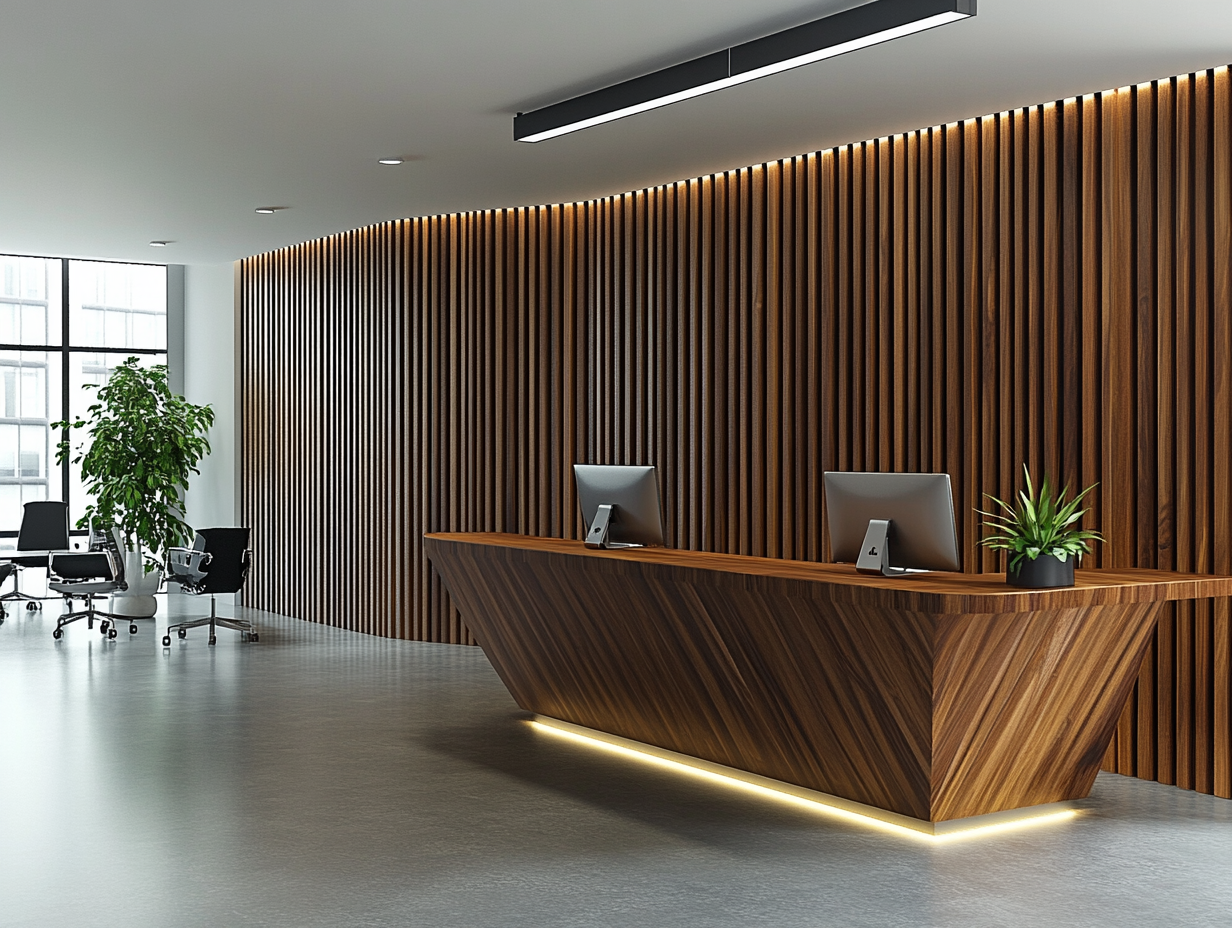
Why Choose Wooden Acoustic Panels?In today’s increasingly noisy world, creating a peaceful and productive environment is paramount. Whether it’s a bustling office, a cozy home theater, or a vibrant restaurant, unwanted noise can significantly impact our well-being and productivity. Wooden acoustic panels offer an elegant and effective solution to combat noise pollution while enhancing the aesthetic appeal of any space. They strike the perfect balance between functionality and design, making them a popular choice for architects, interior designers, and homeowners alike.
The Science Behind Sound AbsorptionWooden acoustic panels work by absorbing sound waves rather than reflecting them. This is achieved through a combination of factors, including the porous nature of the wood and the design of the panel itself. When sound waves encounter the panel, the energy is dissipated as heat through friction within the material. The effectiveness of a panel depends on its size, thickness, and the materials used in its construction. Different panel designs and core materials are optimized for absorbing different frequencies of sound, allowing for targeted noise reduction.
Benefits Beyond Noise Reduction: An Aesthetic UpgradeWhile their primary function is to improve acoustics, wooden panels offer numerous aesthetic benefits. They come in a wide range of finishes, wood types, and designs, allowing you to seamlessly integrate them into your existing décor. From sleek, modern designs to rustic, natural textures, there’s a wooden acoustic panel to suit every style. They can add warmth, character, and visual interest to any room, transforming a plain wall into a stunning focal point. Furthermore, the use of sustainable wood sources contributes to environmentally conscious design.
Exploring Different Types of Wooden Acoustic PanelsThe versatility of wooden acoustic panels is reflected in the variety of available options. Slatted panels, with their rhythmic arrangement of wooden strips, are particularly popular for their contemporary look and excellent sound diffusion properties. Perforated panels feature small holes that enhance sound absorption, making them ideal for areas with high reverberation. Fabric-wrapped wooden panels offer a softer aesthetic and can be customized with a wide range of fabrics and colors. Understanding the characteristics of each type will help you choose the perfect panels for your specific needs.
Applications: From Home Theaters to Corporate OfficesThe adaptability of wooden acoustic panels makes them suitable for a wide range of applications. In home theaters, they create an immersive audio experience by minimizing reflections and echoes. In open-plan offices, they reduce noise distractions and improve speech intelligibility, fostering a more productive work environment. Restaurants and cafes benefit from improved acoustics, allowing customers to enjoy conversations without struggling to hear. Even residential spaces can benefit from the added sound absorption, creating a more peaceful and relaxing atmosphere. The applications are nearly limitless.
Installation: A DIY Guide or Professional Help?Installing wooden acoustic panels can be a relatively straightforward process, especially for smaller projects. Many panels are designed for easy DIY installation using simple tools and hardware. However, for larger or more complex projects, it’s often advisable to seek professional assistance. Professional installers have the expertise to ensure proper placement, alignment, and secure attachment, maximizing the acoustic benefits and ensuring a flawless finish. Whether you choose to DIY or hire a professional, careful planning and preparation are essential for a successful installation.
Maintenance and Care for Long-Lasting BeautyWooden acoustic panels are generally low-maintenance. Regular dusting with a soft cloth or vacuum cleaner is typically sufficient to keep them looking their best. Avoid using harsh chemicals or abrasive cleaners, as these can damage the wood finish. For more stubborn stains, a damp cloth with a mild soap solution can be used, but be sure to dry the panel thoroughly afterward. With proper care, wooden acoustic panels can maintain their beauty and functionality for years to come.
The Future of Acoustic Design: Embracing Natural MaterialsAs we become increasingly aware of the impact of our environment on our well-being, the demand for sustainable and natural materials in interior design is growing. Wooden acoustic panels perfectly embody this trend, offering a combination of aesthetic appeal, acoustic performance, and environmental responsibility. As technology advances, we can expect to see even more innovative designs and applications of wooden acoustic panels, further solidifying their position as a leading solution for noise control and design enhancement.