
Natural Wooden Acoustics Solutions
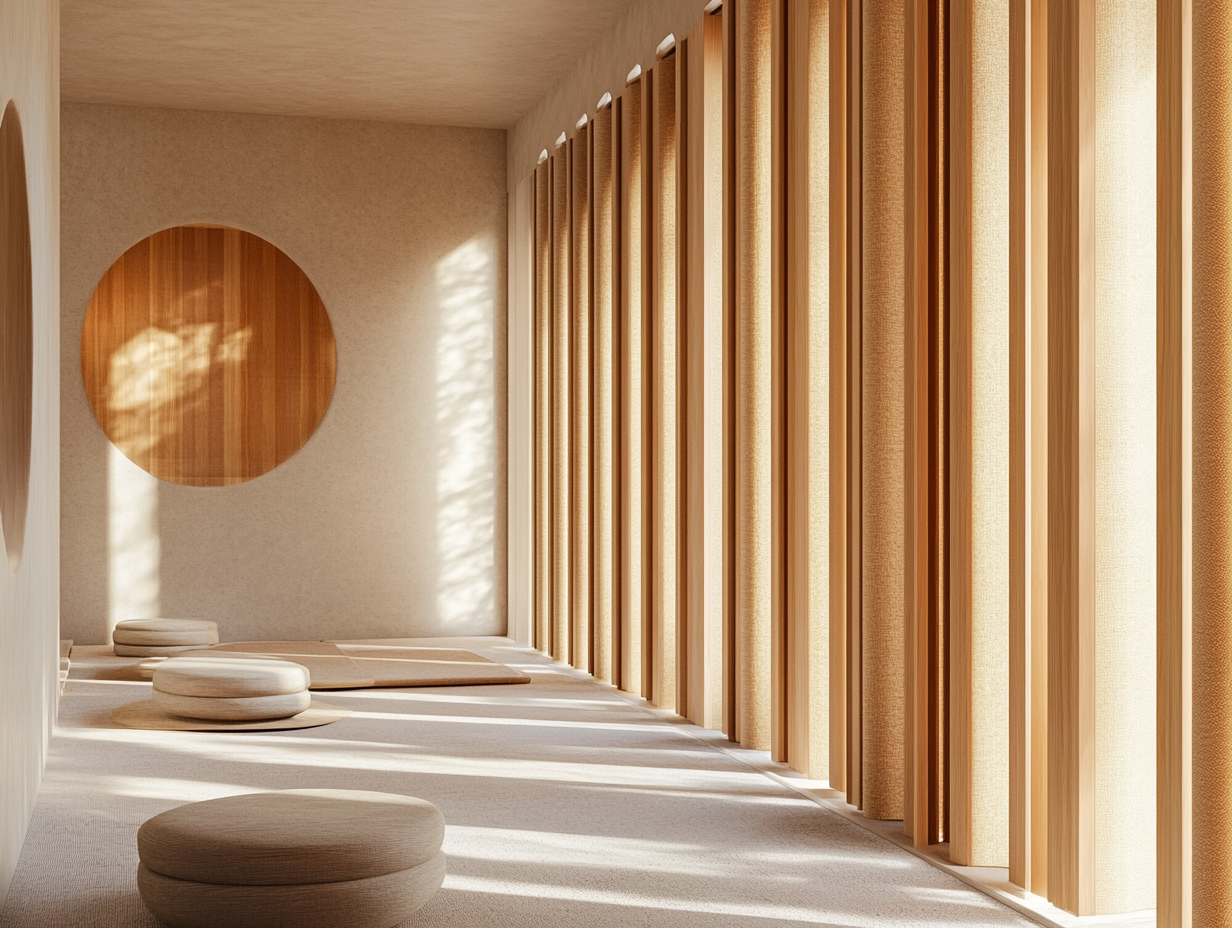
Wooden acoustic panels are sound-absorbing panels designed to improve the acoustic properties of a space. Unlike soundproofing, which aims to block sound transmission, acoustic panels work by absorbing sound waves, reducing reverberation, echo, and overall noise levels within a room. They are constructed using a wood-based core material, often MDF (Medium-Density Fiberboard), plywood, or solid wood, and finished with a variety of aesthetically pleasing wood veneers, laminates, or treatments. Their visual appeal, combined with their effectiveness, makes them a popular choice for both residential and commercial applications.
Sound waves travel through the air until they encounter a surface. A hard, reflective surface like drywall bounces the sound back into the room, contributing to reverberation. Wooden acoustic panels, however, are designed to absorb a portion of these sound waves.
The absorption mechanism depends on the panel’s design. Porous absorbers, often utilizing fabric-wrapped panels with a fiberglass or mineral wool core, absorb sound energy through friction as air particles move through the porous material. Wooden panels can mimic this effect through precisely drilled holes or slots that allow sound waves to penetrate and be absorbed by the internal core. Resonant absorbers, on the other hand, use a vibrating membrane or panel backed by an air cavity to absorb sound at specific frequencies. Some wooden panels combine both porous and resonant absorption techniques for broadband sound control.
The effectiveness of a wooden acoustic panel is measured by its Sound Absorption Coefficient (SAC), a value between 0 and 1, where 1 indicates perfect absorption and 0 indicates perfect reflection. Higher SAC values indicate better sound absorption performance at specific frequencies.
Using wooden acoustic panels offers a multitude of benefits, enhancing both the auditory and aesthetic qualities of a space.
Improved Acoustics: The primary benefit is a noticeable reduction in reverberation, echo, and background noise. This leads to clearer speech intelligibility, reduced listener fatigue, and a more comfortable environment for communication and concentration.
Enhanced Aesthetics: Wooden acoustic panels are available in a vast array of finishes, wood species, and designs. They can seamlessly integrate with existing décor or become a focal point, adding warmth, elegance, and visual interest to any room.
Increased Privacy: By reducing sound reflections and reverberation, wooden acoustic panels can help to create a more private and confidential environment, especially in open-plan offices or conference rooms.
Improved Sound Quality: For spaces dedicated to audio production, music recording, or home theaters, wooden acoustic panels can significantly improve the accuracy and clarity of sound reproduction.
Sustainable Material Options: Many wooden acoustic panels are manufactured using sustainably sourced wood and eco-friendly materials, making them a responsible choice for environmentally conscious consumers.
Durability and Longevity: High-quality wooden acoustic panels are durable and long-lasting, providing a reliable and cost-effective solution for acoustic treatment.
The market offers a diverse selection of wooden acoustic panel types, each with unique characteristics and applications.
Slatted Wood Panels: These panels feature evenly spaced wooden slats mounted on a sound-absorbing backing material. They offer a modern and visually appealing aesthetic while providing excellent sound diffusion and absorption.
Perforated Wood Panels: These panels are characterized by precisely drilled holes that allow sound waves to penetrate and be absorbed by the internal core. The size, spacing, and pattern of the perforations can be customized to achieve specific acoustic performance characteristics.
Solid Wood Panels: While solid wood is inherently reflective, specially designed solid wood panels can incorporate grooves, patterns, or sound-absorbing backing to improve their acoustic performance.
Wood Diffusers: Unlike absorbers, diffusers scatter sound waves in multiple directions, creating a more even sound field and preventing unwanted echoes. Wooden diffusers are often used in recording studios and performance spaces.
Fabric-Wrapped Wood Panels: These panels consist of a wooden frame filled with sound-absorbing material (e.g., mineral wool, fiberglass) and wrapped in fabric. The fabric covering provides a decorative finish and protects the core material.
Wooden acoustic panels are versatile and can be used in a wide range of settings to improve sound quality and aesthetics.
Offices: Reducing noise levels in open-plan offices, conference rooms, and meeting spaces to improve productivity and communication.
Restaurants and Bars: Creating a more comfortable and inviting atmosphere by reducing background noise and improving speech intelligibility.
Home Theaters: Enhancing the sound quality and immersion of the home theater experience by minimizing reflections and echoes.
Recording Studios: Providing a neutral acoustic environment for accurate sound recording and mixing.
Auditoriums and Concert Halls: Optimizing the acoustics for clear and balanced sound projection.
Educational Institutions: Creating a more conducive learning environment by reducing noise levels in classrooms, libraries, and lecture halls.
Healthcare Facilities: Reducing noise levels in hospitals and clinics to promote patient comfort and healing.
Residential Spaces: Improving the acoustics of living rooms, bedrooms, and home offices for a more comfortable and relaxing environment.
Selecting the appropriate wooden acoustic panels for a specific application requires careful consideration of several factors:
Acoustic Needs: Identify the specific acoustic problems that need to be addressed (e.g., excessive reverberation, poor speech intelligibility). Determine the target frequency range for absorption based on the type of noise present.
Panel Type: Choose the panel type that best suits the acoustic requirements and aesthetic preferences. Consider slatted, perforated, solid wood, or fabric-wrapped panels depending on the desired look and performance characteristics.
Material and Finish: Select a wood species and finish that complements the existing décor and meets the desired aesthetic goals. Consider factors such as color, grain pattern, and texture.
Size and Thickness: Determine the appropriate panel size and thickness based on the room dimensions and acoustic requirements. Thicker panels generally offer better low-frequency absorption.
Installation Method: Consider the ease of installation and the desired mounting method (e.g., adhesive, z-clips, screws).
Budget: Establish a budget for the acoustic treatment project and choose panels that offer the best value for money.
Sound Absorption Coefficient (SAC): Review the SAC ratings for different panels at various frequencies to ensure they meet the acoustic performance requirements. A higher SAC indicates better sound absorption.
Fire Rating: If applicable, ensure that the chosen panels meet the required fire safety standards for the intended application.
Proper installation is crucial for maximizing the effectiveness of wooden acoustic panels.
Surface Preparation: Ensure that the mounting surface is clean, dry, and free of any debris.
Panel Placement: Strategically position panels to address the primary sound reflection points in the room. Common locations include the first reflection points on the side walls, ceiling, and rear wall.
Mounting Method: Use the appropriate mounting hardware and techniques for the chosen panel type and mounting surface. Follow the manufacturer’s instructions carefully.
Spacing: If using multiple panels, consider the spacing between them. Spacing can affect the absorption characteristics and create a more visually appealing design.
Professional Installation: For complex installations or when unsure, consider hiring a professional acoustic installer to ensure optimal performance and aesthetics.
Maintaining wooden acoustic panels is relatively simple and requires minimal effort.
Dusting: Regularly dust the panels with a soft cloth or vacuum cleaner with a brush attachment to remove surface dust and dirt.
Cleaning: For stubborn stains or spills, use a mild detergent and a damp cloth. Avoid harsh chemicals or abrasive cleaners.
UV Protection: If the panels are exposed to direct sunlight, consider applying a UV-resistant finish to prevent fading or discoloration.
Humidity Control: Maintain a stable humidity level in the room to prevent warping or cracking of the wood.
The future of wooden acoustic panels is bright, with ongoing advancements in materials, designs, and technologies. Expect to see continued innovation in:
Sustainable Materials: Increased use of recycled wood, bio-based materials, and eco-friendly finishes.
Smart Acoustic Panels: Integration of sensors and controls to automatically adjust acoustic properties based on room occupancy and ambient noise levels.
Customization: Enhanced customization options with advanced manufacturing techniques, allowing for unique shapes, patterns, and finishes.
Performance: Improved sound absorption and diffusion capabilities with innovative panel designs and materials.
Integration with Smart Home Systems: Seamless integration with smart home systems for centralized control of lighting, temperature, and acoustics.
Wooden acoustic panels are a versatile and effective solution for improving the acoustic properties and aesthetics of any space. By understanding the principles of sound absorption, the different types of panels available, and the factors to consider when choosing and installing them, you can create a more comfortable, productive, and enjoyable environment.