
Natural Wooden Acoustics Solutions
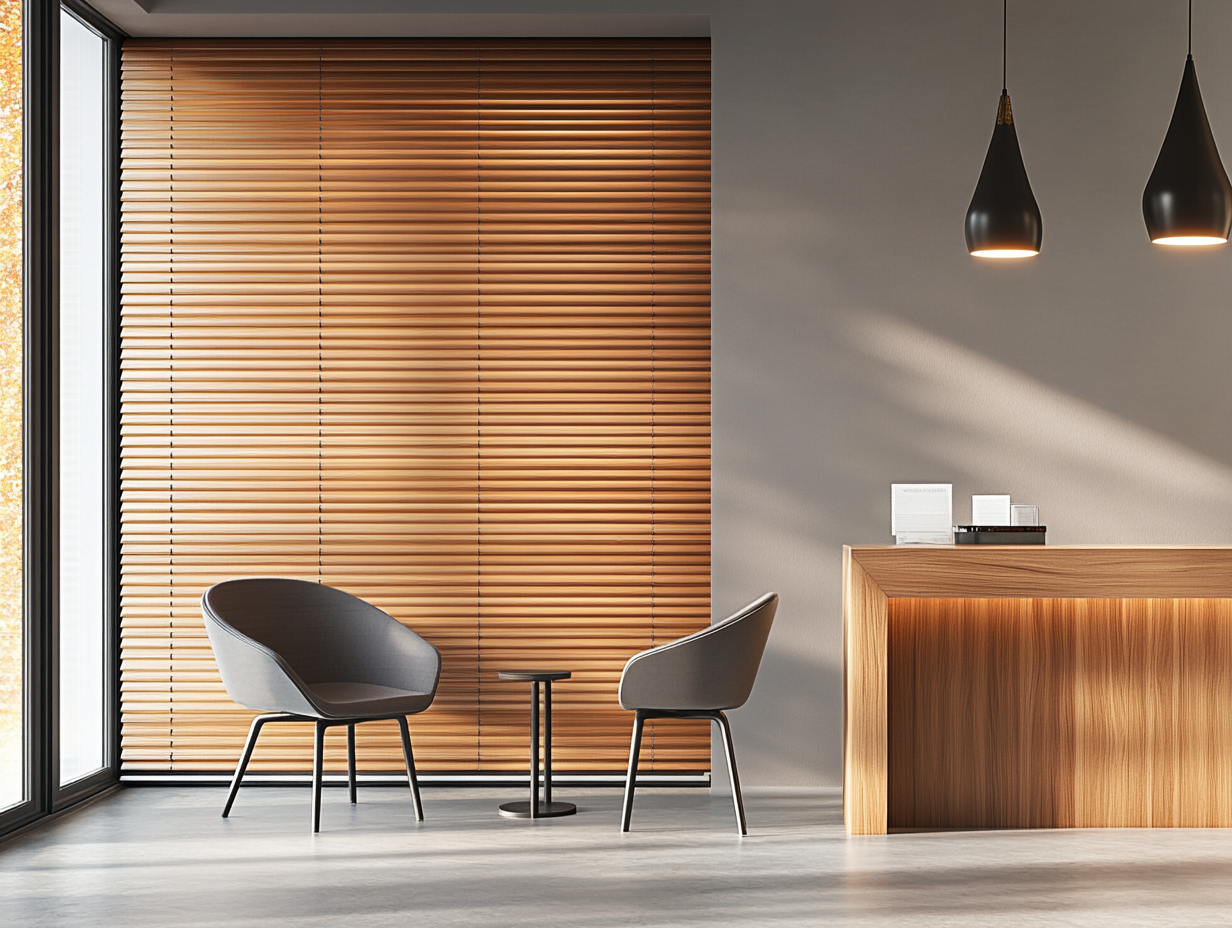
The article should provide value to readers interested in improving the acoustics of open-plan spaces using wooden acoustic panels.
“`html
Open floor plans have become a staple in modern homes and offices, celebrated for their airy feel, enhanced natural light, and fostering a sense of connection. However, this design trend often comes with a significant drawback: poor acoustics. The lack of walls allows sound to travel freely, creating echo, reverberation, and overall noise pollution that can disrupt concentration, hinder conversations, and even lead to stress and fatigue.
While traditional soundproofing methods like heavy curtains or thick carpeting can offer some relief, they often clash with the aesthetic of an open floor plan. Bulky sound-absorbing materials can feel intrusive and diminish the very openness that made the design appealing in the first place. Furthermore, these solutions primarily address impact noise (footsteps, dropped objects) and are less effective at controlling airborne sound, which is the primary culprit in noisy open spaces.
Wooden acoustic panels offer a superior solution by combining exceptional sound absorption capabilities with the natural beauty of wood. These panels are specifically designed to target and absorb mid-to-high frequency sounds, which are the primary contributors to echo and reverberation. By strategically placing wooden acoustic panels on walls and ceilings, you can significantly reduce noise levels and create a more comfortable and productive environment without sacrificing the open and airy aesthetic you desire.
The effectiveness of wooden acoustic panels lies in their unique construction. Typically, they consist of a perforated or slatted wooden surface backed by a sound-absorbing material, such as acoustic felt or mineral wool. When sound waves encounter the panel, they pass through the perforations or slats and are absorbed by the underlying material, converting the sound energy into heat. The size and spacing of the perforations or slats are carefully calculated to optimize sound absorption across a specific frequency range. This targeted absorption reduces reverberation time and improves speech intelligibility.
Selecting the right wooden acoustic panels involves considering several factors, including the size and shape of your space, the type of noise you’re trying to control, and your aesthetic preferences. Here are some key considerations:
Proper installation is essential to ensure that your wooden acoustic panels perform as intended. Here are some tips to maximize their effectiveness:
Don’t let noise compromise the comfort and functionality of your open floor plan. Wooden acoustic panels offer a stylish and effective solution for creating a quieter, more productive, and enjoyable environment. Explore our wide selection of wooden acoustic panels and discover the perfect solution for your needs. Contact us today for a consultation and let us help you transform your space!
“`