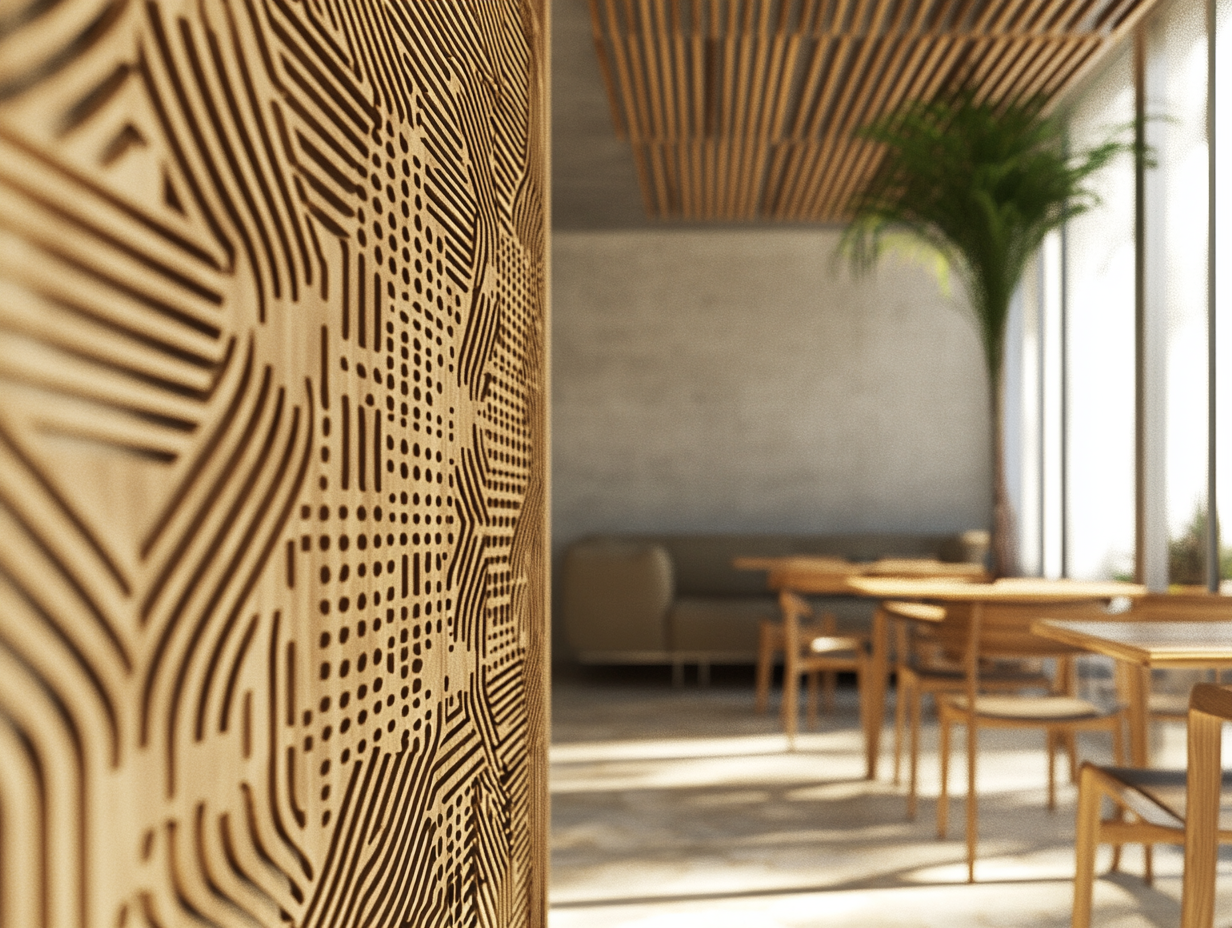
Wooden Acoustic Panels: Get Sound Control Without Sacrificing Design
The Symphony of Silence: Balancing Acoustics and Aesthetics
For years, effective sound control meant bulky, unattractive acoustic solutions. Think egg crates, heavy drapes, and industrial-looking panels that clashed with carefully curated interior designs. Thankfully, those days are over. Today, wooden acoustic panels offer a sophisticated and effective way to manage sound without compromising on style.
Why Choose Wooden Acoustic Panels?
Wooden acoustic panels are more than just a pretty face. They combine the natural beauty of wood with advanced sound absorption technology to create a harmonious balance of form and function. Here’s a closer look at the benefits:
- Superior Sound Absorption: Precisely engineered designs and carefully selected materials effectively absorb sound waves, reducing reverberation and echo for improved clarity and speech intelligibility.
- Aesthetically Pleasing: Available in a wide range of wood species, finishes, and designs, wooden acoustic panels seamlessly integrate with any interior style, from modern minimalist to rustic chic.
- Enhanced Design Flexibility: Choose from various shapes, sizes, and mounting options to create custom acoustic solutions that complement your space’s unique architecture.
- Natural and Sustainable Materials: Many wooden acoustic panels are crafted from sustainably sourced wood, making them an environmentally responsible choice.
- Increased Property Value: A well-designed acoustic environment enhances the overall quality and value of a space, whether it’s a home, office, or commercial property.
Decoding the Science: How Wooden Acoustic Panels Work
Understanding the science behind wooden acoustic panels reveals their true effectiveness. These panels primarily work through two key mechanisms:
- Absorption: The porous nature of wood, combined with strategically placed perforations or grooves, allows sound waves to enter the panel. Inside, the sound energy is converted into heat through friction, effectively reducing the amount of reflected sound.
- Diffusion: Some wooden acoustic panel designs incorporate irregular surfaces or patterns that scatter sound waves in multiple directions. This diffusion process helps to create a more balanced and natural sound field, minimizing harsh reflections and echoes.
The specific acoustic performance of a wooden panel depends on factors such as the type of wood, the panel thickness, the perforation pattern, and the presence of any backing materials.
Applications: Where Wooden Acoustic Panels Shine
The versatility of wooden acoustic panels makes them suitable for a wide range of applications:
- Residential Spaces: Home theaters, living rooms, bedrooms, and home offices benefit from improved acoustics, creating a more comfortable and enjoyable living environment.
- Commercial Buildings: Offices, conference rooms, restaurants, and retail spaces can reduce noise levels, improve speech intelligibility, and enhance the overall customer experience.
- Educational Institutions: Classrooms, lecture halls, and libraries can create a more conducive learning environment by minimizing distractions and improving sound clarity.
- Healthcare Facilities: Hospitals, clinics, and waiting rooms can reduce stress and improve patient comfort by creating a quieter and more relaxing atmosphere.
- Music Studios and Recording Booths: Achieve professional-grade sound quality by controlling reflections, echoes, and unwanted noise.
Choosing the Right Wooden Acoustic Panels: A Step-by-Step Guide
Selecting the perfect wooden acoustic panels for your project requires careful consideration. Here’s a guide to help you make the right choice:
- Assess Your Acoustic Needs: Identify the primary sources of noise and the areas where sound control is most critical. Consider the size and shape of the room, as well as the types of activities that take place there.
- Determine Your Desired Aesthetic: Choose a wood species, finish, and design that complements your existing interior décor and reflects your personal style.
- Consider Acoustic Performance: Review the Noise Reduction Coefficient (NRC) rating of different panels to determine their sound absorption capabilities. Higher NRC values indicate better sound absorption.
- Evaluate Installation Options: Choose a mounting method that is appropriate for your wall or ceiling type and that allows for easy installation and maintenance.
- Work with an Expert: Consult with an acoustic consultant or a reputable supplier of wooden acoustic panels to get expert advice and guidance on selecting the right products for your specific needs.
Beyond Functionality: The Sustainable Choice
Choosing wooden acoustic panels can be an environmentally conscious decision. Look for panels made from sustainably harvested wood and manufactured using eco-friendly processes. Certifications like FSC (Forest Stewardship Council) ensure that the wood comes from responsibly managed forests.
Elevate Your Space with Wooden Acoustic Panels
Wooden acoustic panels offer a unique opportunity to enhance both the acoustic performance and the aesthetic appeal of any space. By combining the natural beauty of wood with advanced sound absorption technology, these panels provide a stylish and effective solution for creating a more comfortable, productive, and enjoyable environment. Explore our wide selection of wooden acoustic panels today and discover the perfect solution for your acoustic needs.