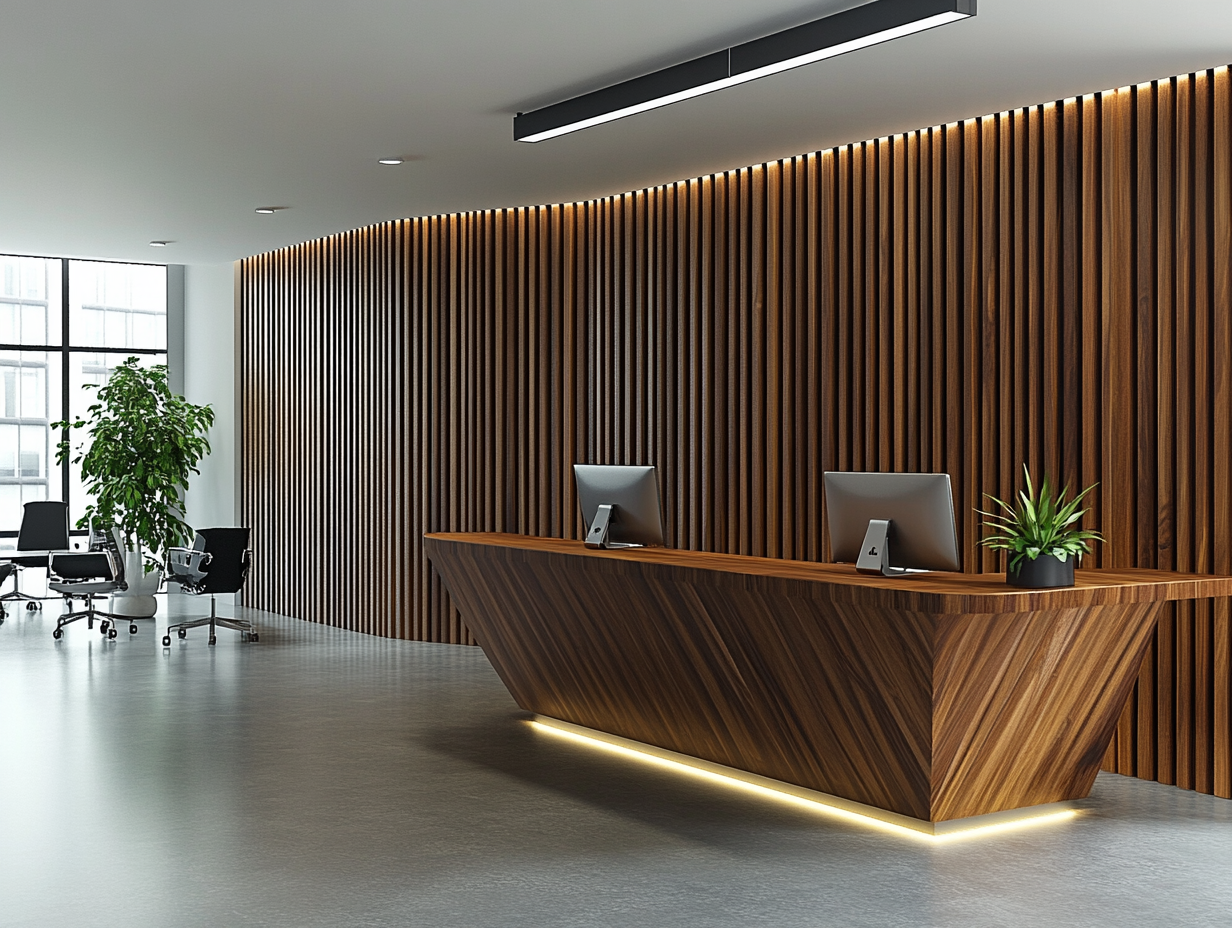
The Symphony of Sound and Style: Introducing Wooden Acoustic Panels
Are you tired of echoes and unwanted noise disrupting your carefully curated space? Do you crave a harmonious environment where sound quality is as exceptional as the aesthetics? Look no further than wooden acoustic panels – the perfect solution for achieving optimal acoustics without sacrificing style.
Why Choose Wooden Acoustic Panels? The Benefits Unveiled
Wooden acoustic panels offer a unique blend of functionality and beauty. Unlike purely utilitarian acoustic solutions, wood panels seamlessly integrate into your existing décor, enhancing the visual appeal of your space while effectively managing sound.
- Superior Sound Absorption: Wood, especially when properly treated and designed, excels at absorbing sound waves, reducing reverberation, and improving clarity.
- Aesthetic Versatility: From sleek, modern designs to rustic, textured finishes, wooden panels come in a vast array of styles, wood types, and colors to complement any interior.
- Natural and Sustainable: Choosing wood sourced from sustainable forests contributes to environmentally conscious design.
- Durability and Longevity: High-quality wooden panels are built to last, providing long-term acoustic benefits and a timeless design element.
- Improved Speech Intelligibility: In offices, conference rooms, or classrooms, wooden acoustic panels improve speech intelligibility, reducing strain and improving communication.
Decoding Acoustic Principles: Absorption vs. Diffusion
Understanding the fundamental principles of acoustic control is crucial for choosing the right panels. Wooden acoustic panels primarily function through absorption and, in some designs, diffusion.
Absorption: This process involves the panel material converting sound energy into heat, effectively reducing the intensity of sound waves reflecting within the room. Softer, more porous woods generally offer better absorption.
Diffusion: Diffusion scatters sound waves in different directions, preventing strong reflections and creating a more balanced and natural sound field. Panels with strategically placed grooves, slats, or other surface variations promote diffusion.
Applications: Where Wooden Acoustic Panels Shine
The versatility of wooden acoustic panels makes them suitable for a wide range of applications:
- Home Theaters: Create an immersive cinematic experience by minimizing reflections and optimizing sound clarity.
- Recording Studios: Achieve professional-grade sound quality for recording and mixing by controlling reflections and standing waves.
- Offices and Conference Rooms: Reduce noise distractions and improve speech intelligibility for enhanced productivity and communication.
- Restaurants and Bars: Create a more pleasant dining and social experience by managing ambient noise levels.
- Educational Institutions: Enhance learning environments by reducing reverberation and improving speech clarity in classrooms and lecture halls.
- Residential Spaces: Elevate the ambiance of living rooms, bedrooms, and home offices with improved sound quality and stylish design.
Choosing the Right Wooden Acoustic Panels: Factors to Consider
Selecting the ideal wooden acoustic panels involves considering several key factors:
- Room Size and Shape: Larger rooms generally require more panel coverage. The shape of the room also influences sound reflection patterns.
- Material Properties: Different wood types offer varying degrees of sound absorption. Consider the density and porosity of the wood.
- Panel Design and Thickness: The design of the panel (e.g., slatted, perforated, solid) and its thickness affect its acoustic performance.
- NRC Rating: The Noise Reduction Coefficient (NRC) indicates a panel’s ability to absorb sound. Higher NRC values signify better absorption.
- Aesthetic Considerations: Choose panels that complement your existing décor and reflect your personal style.
Installation Tips: A Step-by-Step Guide
Proper installation is crucial for maximizing the acoustic benefits of your wooden panels. While professional installation is recommended, DIY installation is possible with careful planning and execution.
- Planning and Measurement: Determine the optimal placement of panels based on room acoustics and desired aesthetic. Measure accurately to ensure proper fit.
- Surface Preparation: Ensure the wall or ceiling surface is clean, dry, and structurally sound.
- Adhesive or Mounting Hardware: Choose the appropriate adhesive or mounting hardware based on the panel type and wall material. Follow manufacturer instructions carefully.
- Panel Placement: Carefully position the panels, ensuring proper alignment and spacing.
- Finishing Touches: Conceal any visible seams or edges with appropriate trim or molding for a seamless finish.
Maintenance and Care: Preserving the Beauty and Performance
Wooden acoustic panels require minimal maintenance to retain their beauty and acoustic performance.
- Dusting: Regularly dust the panels with a soft cloth or vacuum cleaner with a brush attachment.
- Cleaning: For deeper cleaning, use a damp cloth with a mild detergent. Avoid harsh chemicals or abrasive cleaners.
- Humidity Control: Maintain a consistent humidity level to prevent warping or cracking of the wood.
Elevate Your Space: The Transformative Power of Wooden Acoustic Panels
Wooden acoustic panels offer a compelling solution for enhancing both the sound and aesthetics of any space. By carefully considering your needs and preferences, you can create a harmonious environment that is both visually stunning and acoustically optimized. Invest in wooden acoustic panels and experience the difference – the perfect blend of sound and style.