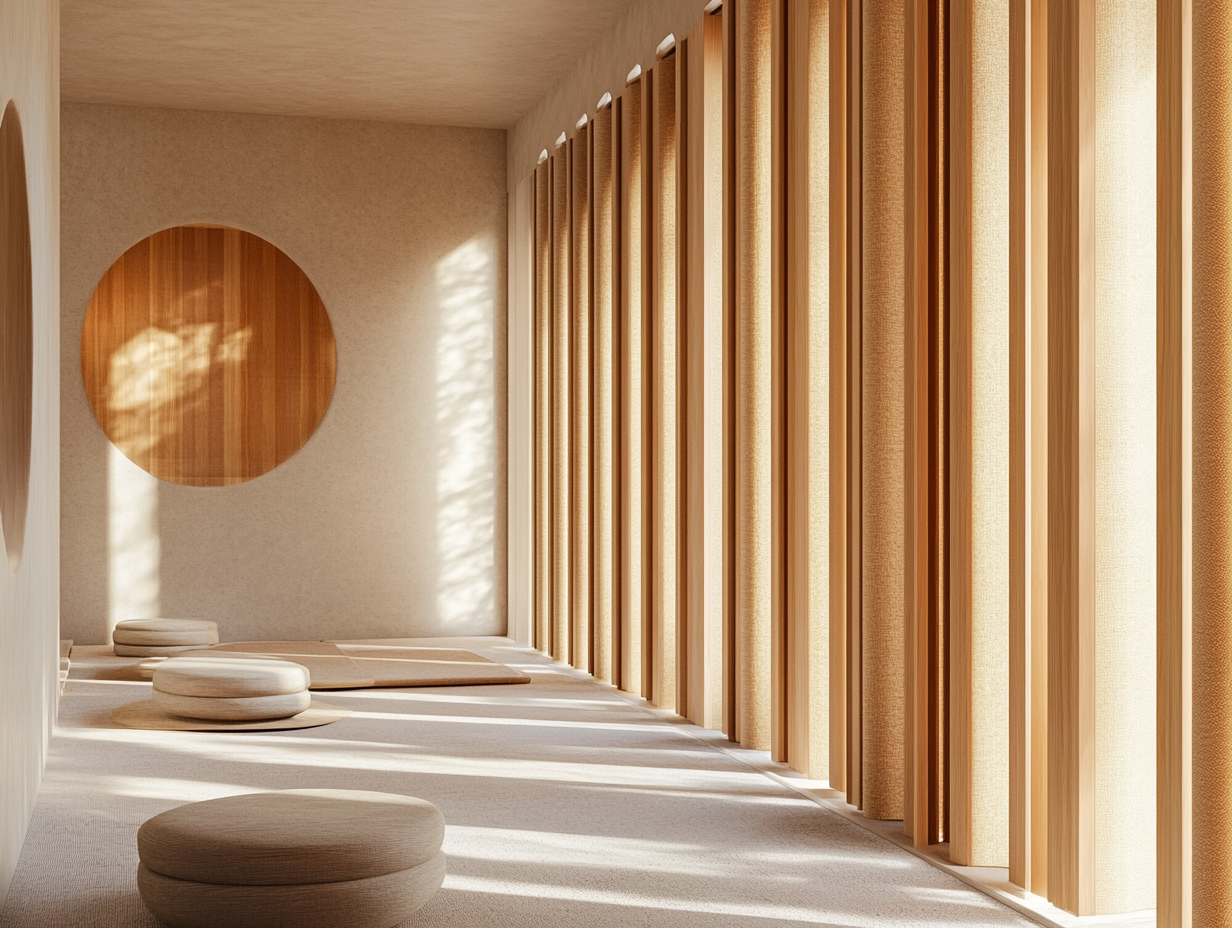
Unlocking Sonic Clarity: The Power of Wooden Acoustic Panels
We all crave immersive, distraction-free audio. Whether you’re a music enthusiast, a home theater buff, or simply seeking a more productive workspace, the acoustics of your environment play a crucial role. Hard surfaces like walls, ceilings, and floors reflect sound waves, leading to reverberation, echoes, and a general muddling of audio clarity. The solution? Beautifully designed and highly effective wooden acoustic panels.
What Exactly Are Wooden Acoustic Panels?
Wooden acoustic panels are sound-absorbing materials designed to control and improve the sound quality within a space. Unlike soundproofing, which aims to block sound transmission entirely, acoustic panels manage sound reflections within a room. Typically constructed from a wood veneer or solid wood face bonded to a sound-absorbing core (such as mineral wool, fiberglass, or recycled polyester felt), these panels work by converting sound energy into heat through friction within the core material.
The Myriad Benefits: Why Choose Wooden Acoustic Panels?
The advantages of incorporating wooden acoustic panels extend far beyond mere sound dampening. Here’s a breakdown of the key benefits:
- Enhanced Sound Clarity: By reducing reverberation and echoes, panels create a cleaner, more defined audio experience. Speech intelligibility improves, music sounds richer, and overall listening fatigue is minimized.
- Improved Speech Intelligibility: This is particularly important in spaces like conference rooms, classrooms, and restaurants, where clear communication is essential.
- Noise Reduction: Panels absorb ambient noise, creating a quieter and more peaceful environment. This is beneficial in offices, homes, and other spaces where noise pollution is a concern.
- Aesthetic Appeal: Wooden panels offer a natural, warm, and sophisticated aesthetic that can complement any interior design style. They’re available in a wide range of finishes, colors, and patterns.
- Customization Options: From size and shape to wood species and fabric coverings, wooden acoustic panels can be tailored to meet specific acoustic and design requirements.
- Sustainable Solutions: Many manufacturers utilize sustainably sourced wood and recycled materials, making wooden acoustic panels an environmentally responsible choice.
- Versatile Applications: Suitable for a wide range of environments, including home theaters, recording studios, offices, restaurants, schools, and more.
Delving Deeper: How Acoustic Panels Work Their Magic
To truly appreciate the effectiveness of wooden acoustic panels, it’s helpful to understand a few basic acoustic principles:
- Sound Absorption: The process of converting sound energy into other forms of energy (primarily heat) to reduce reflection.
- Reverberation Time (RT60): The time it takes for sound to decay by 60 decibels after the sound source stops. Acoustic panels help reduce RT60, leading to a more controlled and pleasant listening environment.
- Sound Diffusion: Scattering sound waves in different directions to create a more even sound field. While primarily absorptive, some panel designs can also contribute to diffusion.
Exploring the Variety: Different Types of Wooden Acoustic Panels
The world of wooden acoustic panels offers a diverse range of options, each with its unique characteristics and applications. Here’s a look at some of the most common types:
- Slatted Wood Panels: Featuring spaced-out wooden slats with a sound-absorbing backing, these panels offer excellent sound absorption and a modern, linear aesthetic.
- Perforated Wood Panels: Panels with precisely drilled holes that allow sound to penetrate into the absorbent core. The size, spacing, and pattern of the perforations influence the panel’s acoustic performance.
- Solid Wood Panels with Fabric Covering: Solid wood panels wrapped in acoustic fabric, providing a classic and versatile option. The fabric covering adds to the panel’s sound absorption capabilities.
- Shaped Acoustic Panels: Available in various shapes and sizes (e.g., squares, rectangles, circles, hexagons) to create visually appealing and acoustically effective designs.
- Bass Traps: Designed to absorb low-frequency sounds (bass) that can cause muddiness and resonance. Corner bass traps are particularly effective. These can be wood-faced or have a wooden frame.
Making the Right Choice: Factors to Consider When Selecting Wooden Acoustic Panels
Choosing the right wooden acoustic panels requires careful consideration of several factors:
- Room Size and Shape: Larger rooms generally require more panels than smaller rooms. The shape of the room also influences sound reflection patterns.
- Intended Use of the Room: A home theater will have different acoustic requirements than a conference room or a bedroom.
- Desired Aesthetic: Select panels that complement the existing décor and create the desired ambiance.
- Acoustic Performance: Consider the Noise Reduction Coefficient (NRC) rating of the panels, which indicates their sound absorption capabilities. Higher NRC values indicate better absorption.
- Budget: Wooden acoustic panels vary in price depending on the materials, construction, and design. Set a budget and find panels that meet your needs within that range.
- Installation: Consider the ease of installation and whether you plan to install the panels yourself or hire a professional.
Installation Made Easy: Tips for Installing Wooden Acoustic Panels
The installation process for wooden acoustic panels is generally straightforward. Here are some helpful tips:
- Plan the Layout: Carefully plan the placement of the panels to maximize their acoustic effectiveness. Consult with an acoustic consultant if needed.
- Use Proper Mounting Hardware: Ensure that you use appropriate mounting hardware for the type of panels and the wall or ceiling surface.
- Consider Air Gaps: Leaving a small air gap behind the panels can improve their low-frequency absorption.
- Follow Manufacturer Instructions: Always follow the manufacturer’s instructions for installation.
Maintaining Beauty and Performance: Care Tips for Wooden Acoustic Panels
Proper care will ensure that your wooden acoustic panels maintain their aesthetic appeal and acoustic performance for years to come. Here are some simple maintenance tips:
- Dust Regularly: Use a soft cloth or vacuum cleaner with a brush attachment to remove dust and debris.
- Avoid Moisture: Protect the panels from excessive moisture and humidity.
- Clean Spills Immediately: Clean up any spills or stains immediately with a damp cloth. Avoid using harsh chemicals or abrasive cleaners.
Elevate Your Listening Experience with Wooden Acoustic Panels
Wooden acoustic panels offer a powerful and aesthetically pleasing solution for improving sound quality in any room. By reducing reverberation, absorbing noise, and enhancing speech intelligibility, these panels create a more comfortable, productive, and enjoyable listening experience. Invest in wooden acoustic panels and unlock the true potential of your audio environment.