
Natural Wooden Acoustics Solutions
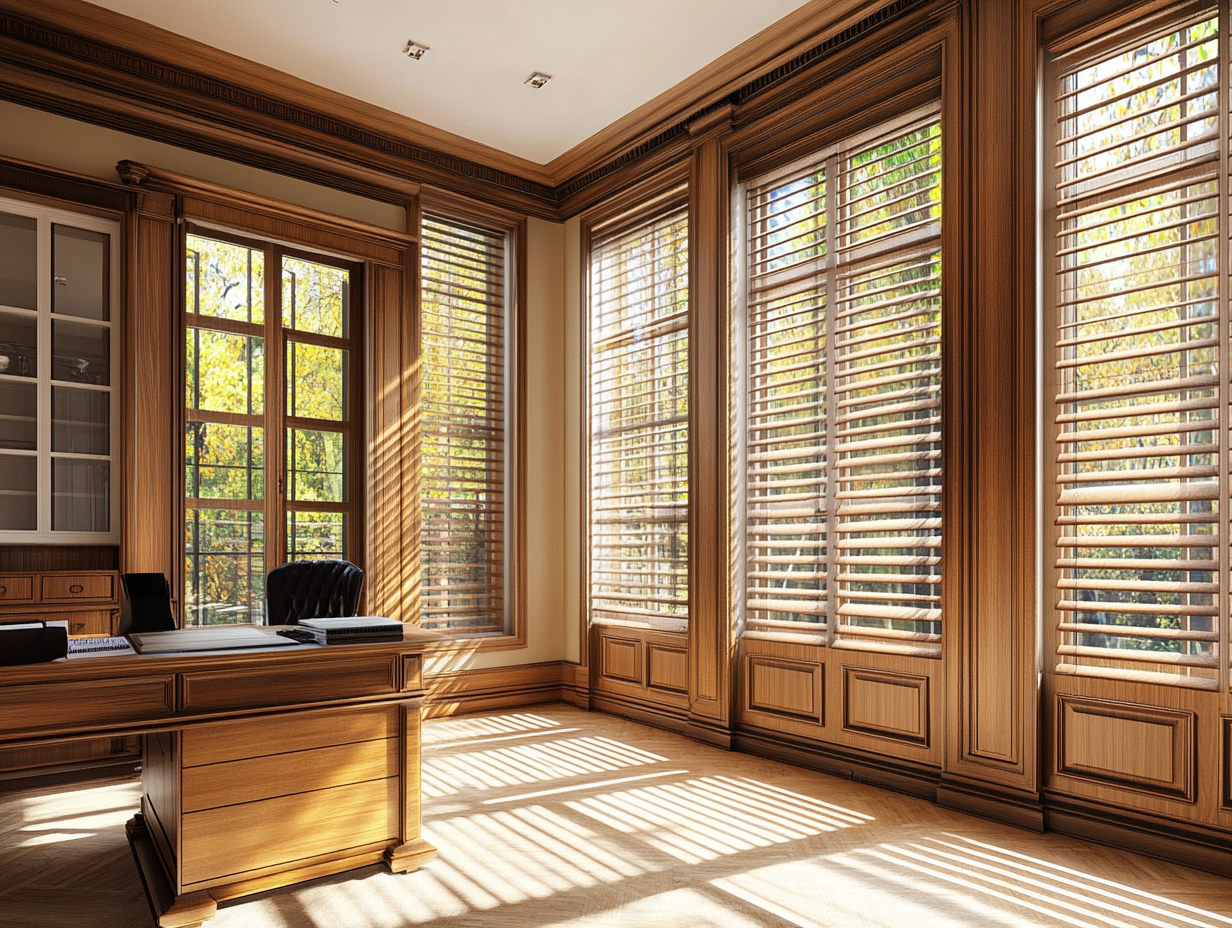
Wooden Acoustic Panels: Quiet Your Space, Quiet Your Mind
In today’s fast-paced world, noise pollution is a pervasive problem. From bustling city streets to echoey office spaces, constant auditory bombardment can lead to stress, fatigue, and decreased productivity. But what if you could control the soundscape of your environment, creating a haven of tranquility and focus? The answer lies in the strategic use of acoustic panels, and specifically, the natural beauty and effectiveness of wooden acoustic panels. Sound absorption is crucial for creating a functional and comfortable space, whether it’s a home office, recording studio, restaurant, or classroom. Improving sound quality can have a profound impact on overall well-being.
Wooden acoustic panels are more than just sound dampening materials; they are design elements that enhance both the aesthetics and functionality of a space. Unlike traditional acoustic solutions that can be visually unappealing, wooden panels offer a warm, inviting texture and a timeless elegance that complements any interior style. The natural variations in wood grain and color add depth and character, transforming a sterile room into a welcoming environment. Furthermore, the sustainability of wood as a material makes it an environmentally conscious choice.
Wooden acoustic panels work by absorbing sound waves, preventing them from reflecting off hard surfaces like walls and ceilings. This reduces reverberation and echo, creating a clearer and more defined sound environment. The panels typically consist of a core material, such as mineral wool or fiberglass, encased in a wooden frame or veneer. The wood itself helps to diffuse sound, further enhancing the acoustic performance. The design of the panel, including the size, shape, and perforation pattern, also plays a significant role in its effectiveness at absorbing different frequencies.
Selecting the appropriate wooden acoustic panels requires careful consideration of several factors, including the size and shape of the room, the types of activities that take place in the space, and the desired aesthetic. Different panel designs and materials are better suited for different applications. For example, a recording studio may require panels with higher sound absorption coefficients across a wider range of frequencies, while a restaurant may prioritize panels that are both acoustically effective and visually appealing. Consulting with an acoustic specialist can help you determine the optimal panel configuration for your specific needs and budget. Considerations should include:
Installing wooden acoustic panels can be a straightforward DIY project for experienced handymen. However, for more complex installations or when precise acoustic performance is required, professional assistance is recommended. Proper installation is crucial to maximizing the effectiveness of the panels and ensuring a seamless aesthetic. Factors to consider include the placement of the panels, the mounting hardware, and the alignment of the panels. A professional installer can also provide valuable insights into optimizing the acoustic performance of the room.
The benefits of wooden acoustic panels extend far beyond improved sound quality. By creating a quieter and more comfortable environment, these panels can reduce stress, improve concentration, and enhance overall well-being. In educational settings, improved acoustics can lead to better student learning outcomes. In office environments, it can boost productivity and reduce employee fatigue. In residential spaces, it can create a more relaxing and enjoyable living experience. Investing in wooden acoustic panels is an investment in your health, happiness, and productivity.