
Natural Wooden Acoustics Solutions
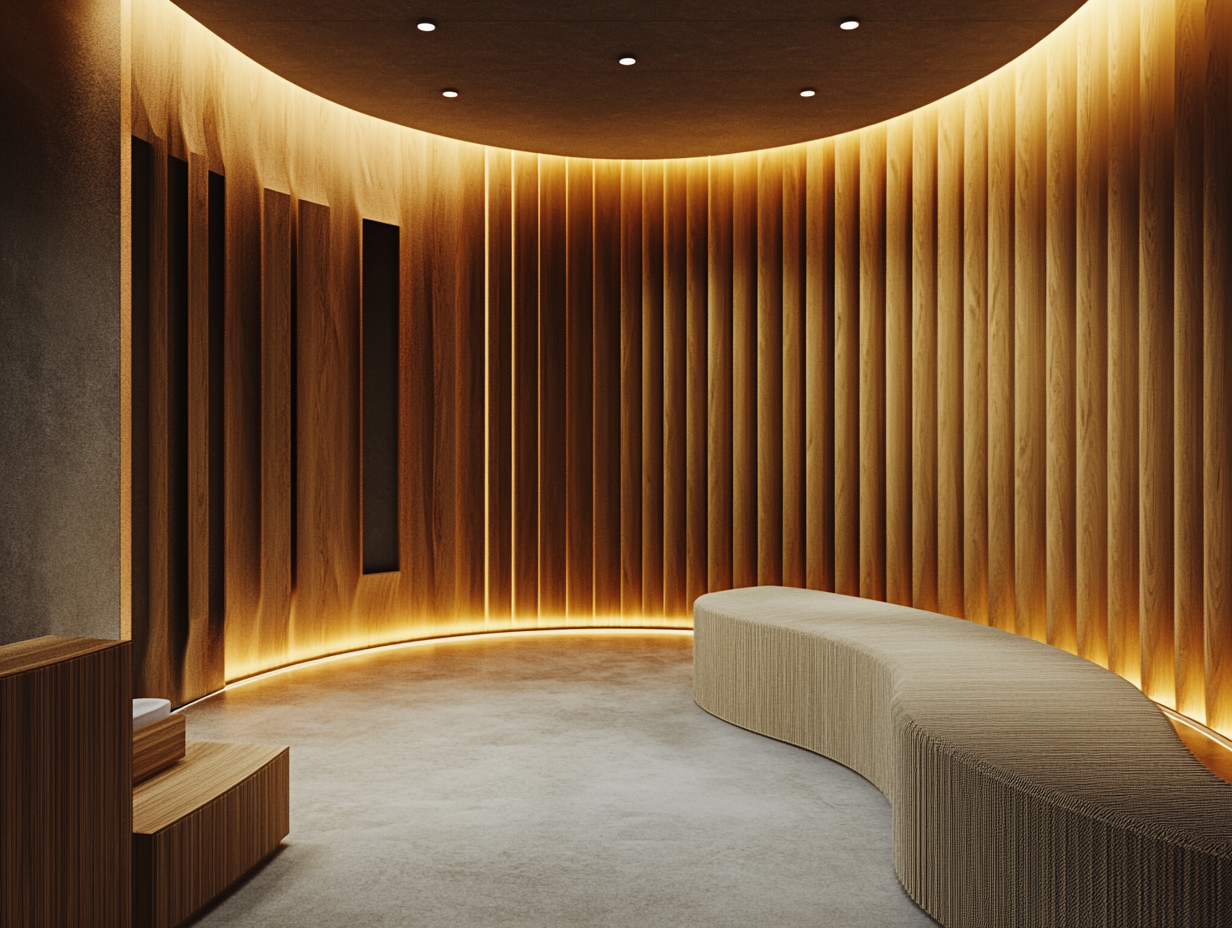
In today’s increasingly noisy world, finding a sanctuary of calm can feel like a constant battle. Whether it’s the relentless hum of office machinery, the cacophony of city traffic seeping through windows, or the echoes bouncing around a minimalist home, unwanted noise pollution significantly impacts our well-being and productivity. Our brains are wired to process sound, and constant exposure to distracting noises forces us to exert extra mental energy, leading to fatigue, stress, and reduced cognitive function. Creating acoustically comfortable environments is no longer a luxury; it’s a necessity for improved focus, enhanced creativity, and overall better living. Wooden acoustic panels offer an elegant and effective solution to transform noisy spaces into havens of tranquility.
To effectively address noise issues, it’s crucial to understand the underlying principles of sound behavior in enclosed spaces. When sound waves encounter a hard surface like a wall, ceiling, or floor, they reflect, creating reverberation and echoes. Reverberation is the persistence of sound after the original source has stopped, while echoes are distinct repetitions of the sound. These phenomena can significantly degrade speech intelligibility, making it difficult to concentrate or participate in conversations. Imagine trying to conduct a meeting in a room where every word echoes back at you. The resulting confusion and distraction make effective communication nearly impossible. The key to acoustic control lies in absorbing these sound waves rather than allowing them to bounce around the room.
Wooden acoustic panels are specifically designed to absorb sound energy and reduce reverberation. They achieve this through a combination of factors, primarily the porous nature of the wood and the internal structure of the panel. Sound waves enter the panel and are converted into heat energy through friction as they move through the material’s fibers and any designed perforations or slots. This process effectively dampens the sound waves, preventing them from reflecting back into the room and contributing to noise pollution. The effectiveness of a wooden acoustic panel depends on several variables, including its thickness, density, surface area coverage, and the specific wood species used. Carefully engineered designs, often incorporating a backing material, further enhance their sound-absorbing capabilities.
While the primary function of wooden acoustic panels is noise reduction, they offer a wealth of additional benefits. Unlike traditional soundproofing solutions that can be bulky and unattractive, wooden acoustic panels provide a sleek and sophisticated aesthetic. The natural beauty of wood adds warmth, texture, and visual interest to any space, complementing a wide range of interior design styles, from modern minimalist to rustic farmhouse. Furthermore, wood is a sustainable and renewable resource, making wooden acoustic panels an environmentally responsible choice. Sourcing panels from sustainably managed forests ensures that you’re contributing to responsible forestry practices and minimizing your environmental impact. Choosing wood offers a tangible link to nature, bringing a sense of calm and serenity to the indoor environment.
Selecting the appropriate wooden acoustic panels requires careful consideration of your specific needs and the characteristics of your space. Key factors to consider include the size and shape of the room, the type of noise you’re trying to mitigate, and your desired aesthetic. Larger rooms with hard surfaces will generally require more panel coverage than smaller rooms with soft furnishings. Different panel designs are optimized for different frequency ranges, so it’s essential to choose panels that target the specific frequencies causing the most problems. For example, panels with deeper grooves or perforations tend to be more effective at absorbing lower frequencies. Finally, consider the style and finish of the panels to ensure they seamlessly integrate with your existing décor. Consulting with an acoustic specialist can provide valuable insights and guidance in making the right choice.
Installing wooden acoustic panels is typically a straightforward process that can be accomplished by a DIY enthusiast or a professional installer. Most panels are designed for easy mounting using adhesives, screws, or hanging systems. Proper placement of the panels is crucial for optimal sound absorption. Generally, panels should be strategically placed on walls and ceilings to maximize surface coverage and target areas where sound reflections are most prominent. Maintaining wooden acoustic panels is equally simple. Regular dusting with a soft cloth is usually sufficient to keep them clean and looking their best. Avoid using harsh chemicals or abrasive cleaners, as these can damage the wood finish. With proper care, wooden acoustic panels can provide years of reliable performance and aesthetic appeal.
The versatility of wooden acoustic panels makes them suitable for a wide range of applications. In offices, they can create quieter and more focused workspaces, improving employee productivity and reducing stress. In homes, they can transform living rooms into cozy entertainment spaces and bedrooms into tranquil retreats. Restaurants and cafes can benefit from reduced background noise, creating a more pleasant dining experience for customers. Schools and libraries can use wooden acoustic panels to improve speech intelligibility and reduce distractions, fostering a more conducive learning environment. From recording studios to home theaters, wooden acoustic panels are an essential tool for achieving optimal sound quality and reducing unwanted noise.
In conclusion, wooden acoustic panels offer a powerful and aesthetically pleasing solution for reducing noise and improving focus in a variety of environments. By understanding the principles of sound behavior and carefully selecting the right panels for your needs, you can transform noisy spaces into havens of tranquility, enhancing productivity, creativity, and overall well-being. Investing in wooden acoustic panels is an investment in a quieter, more comfortable, and more focused future.