
Natural Wooden Acoustics Solutions
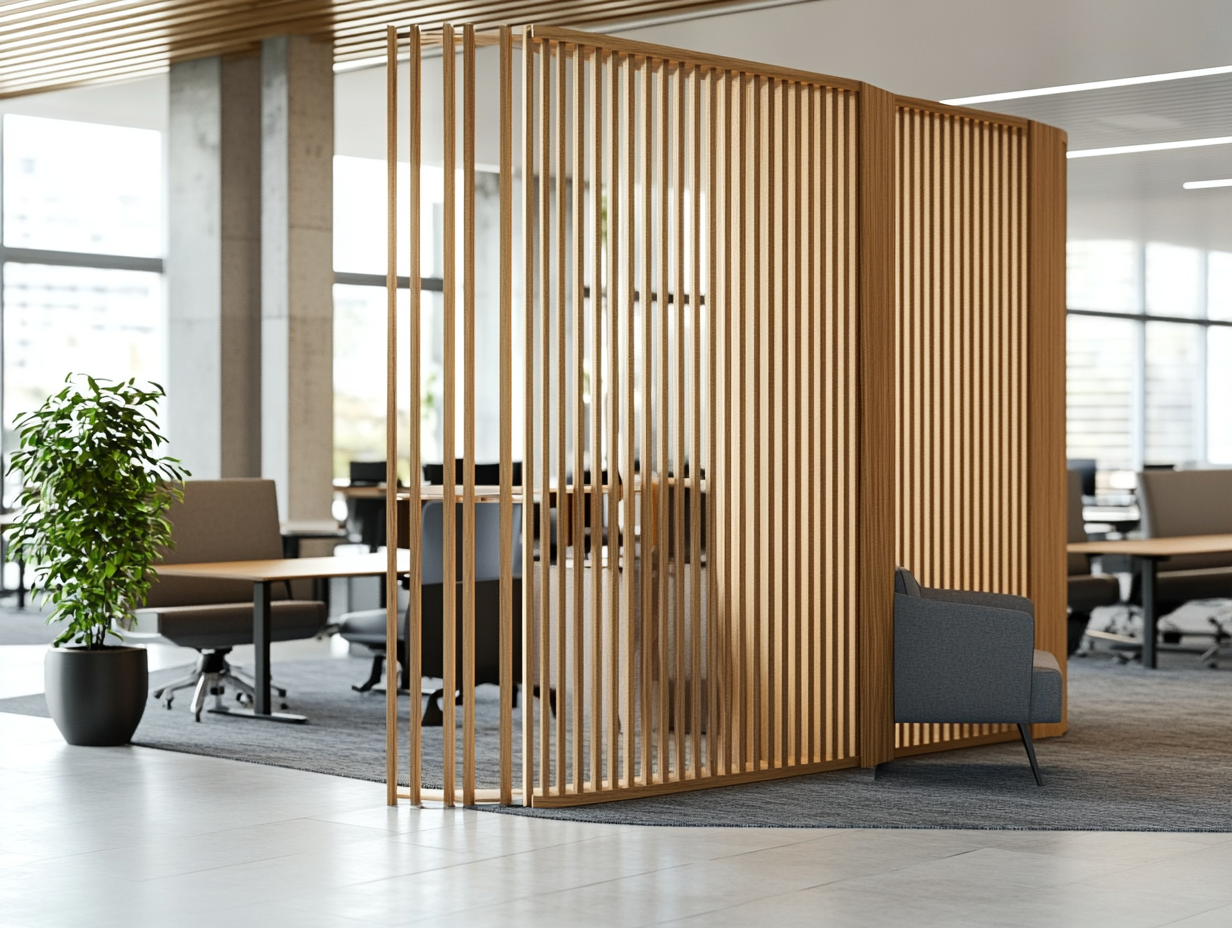
Many homeowners and business owners unknowingly battle a pervasive enemy: poor acoustics. Beyond simply being annoying, excessive reverberation, echoes, and sound reflections can negatively impact communication, productivity, and overall well-being. Imagine trying to have a conversation in a room where your voice bounces off the walls, creating a confusing and muddled soundscape. This is a common problem, and often the culprit is hard, reflective surfaces like drywall, glass, and concrete. These materials, while aesthetically pleasing, do little to absorb sound waves. Instead, they bounce them back into the room, leading to a cacophony of unwanted noise. The result? Fatigue, difficulty concentrating, and a generally unpleasant atmosphere. Recognizing these acoustic issues is the first step toward reclaiming your space and creating a more harmonious environment.
Why wood? While various materials offer sound absorption properties, wood stands out as a superior choice for several compelling reasons. First and foremost, wood boasts excellent acoustic performance. Its inherent cellular structure naturally absorbs sound waves, reducing reverberation and echoes. The density and porosity of the wood species further influence its acoustic properties, allowing for tailored solutions depending on the specific needs of a room. But beyond performance, wood offers unparalleled aesthetic appeal. Unlike bulky, industrial-looking acoustic solutions, wooden acoustic panels seamlessly integrate into any design style. Whether you prefer the rustic charm of reclaimed wood or the sleek sophistication of modern veneer, wood provides a warmth and elegance that other materials simply cannot match. Furthermore, wood is a sustainable and environmentally friendly option, especially when sourced from responsibly managed forests. Choosing wooden acoustic panels is not only an investment in sound quality but also in a healthier planet.
The world of wooden acoustic panels is diverse, offering a range of designs to suit various acoustic and aesthetic requirements. Understanding the different types is crucial for selecting the ideal solution for your space.
Slatted Wood Panels: These panels feature evenly spaced wooden slats mounted on an acoustic felt backing. The slats create a visually appealing linear pattern while the felt absorbs sound energy. They are excellent for reducing echo and reverberation in larger spaces like home theaters, conference rooms, and restaurants.
Perforated Wood Panels: Featuring precisely drilled holes, these panels offer a subtle yet effective approach to sound absorption. The size, density, and pattern of the perforations determine the acoustic performance. They are well-suited for offices, classrooms, and music studios where a balance between aesthetics and acoustics is desired.
Solid Wood Panels with Acoustic Backing: These panels consist of a solid wood face adhered to an acoustic core, such as mineral wool or fiberglass. They provide superior sound absorption capabilities and are ideal for high-performance acoustic environments like recording studios and concert halls.
Wood Diffusers: Unlike absorbers, diffusers scatter sound waves in multiple directions, creating a more natural and spacious sound field. They are often used in conjunction with absorbers to achieve a balanced acoustic environment.
The best panel type depends on your specific needs, taking into consideration the size of the room, the existing acoustics, and the desired aesthetic.
Worried about a complicated and time-consuming installation process? Fear not! Wooden acoustic panels are designed for relatively easy installation, making them an accessible solution for both DIY enthusiasts and professional contractors. Many panels are designed with user-friendly mounting systems, allowing for quick and secure attachment to walls or ceilings. Common methods include using adhesive, screws, or clips, depending on the panel type and the substrate material. Detailed installation instructions are typically provided by the manufacturer, ensuring a smooth and straightforward process. For larger or more complex projects, professional installation is always recommended to ensure optimal performance and a flawless finish. Regardless of the installation method, proper planning and preparation are essential for achieving the desired acoustic and aesthetic results.
While the primary benefit of wooden acoustic panels is improved sound quality, they offer a range of additional advantages that make them a worthwhile investment.
Enhanced Aesthetics: As mentioned earlier, wooden panels add warmth, character, and sophistication to any space, elevating the overall design.
Increased Property Value: Investing in acoustic solutions can enhance the desirability and value of your property, particularly in homes and businesses where sound quality is important.
Improved Privacy: Acoustic panels can help reduce sound transmission between rooms, creating a more private and comfortable environment.
Stress Reduction: By minimizing noise pollution and creating a more peaceful atmosphere, wooden acoustic panels can contribute to stress reduction and improved well-being.
By addressing acoustic issues and enhancing the overall aesthetic appeal of your space, wooden acoustic panels offer a holistic solution that benefits both your ears and your eyes.
Selecting the right wooden acoustic panels requires careful consideration of several factors. Begin by assessing your acoustic needs: identify the specific problems you want to address, such as excessive reverberation, echoes, or noise transmission. Next, consider the size and shape of the room, as this will influence the number and type of panels required. Think about your desired aesthetic: do you prefer a modern, minimalist look or a more traditional, rustic feel? Choose wood species, finishes, and panel designs that complement your existing décor. Finally, consider your budget and installation capabilities. Comparing prices and exploring different installation options will help you make an informed decision. Don’t hesitate to consult with acoustic specialists or interior designers for expert advice and guidance. With careful planning and consideration, you can find the perfect wooden acoustic panels to transform your space into a haven of beautiful sound.