
Natural Wooden Acoustics Solutions
“`html
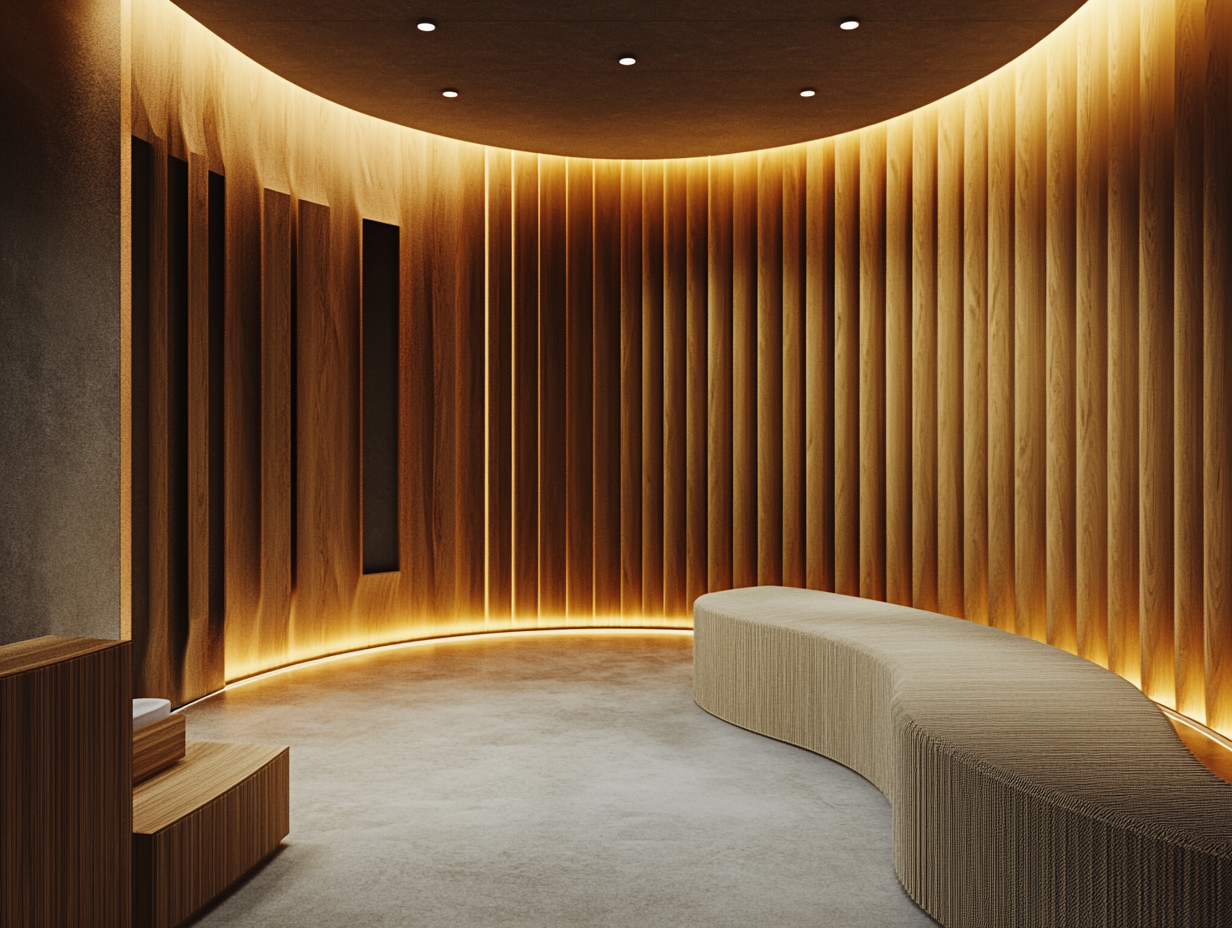
In an increasingly noisy world, the demand for acoustic comfort is greater than ever. Whether it’s a bustling open-plan office, a home theater craving cinematic immersion, or a recording studio aiming for pristine sound, uncontrolled sound reflections can lead to a cacophony of distractions. Wooden acoustic panels offer an elegant and effective solution, marrying form and function to sculpt sound and shape spaces.
<h2>Unveiling the Science of Sound Absorption and Diffusion</h2>Unlike soundproofing, which aims to completely block sound transmission, acoustic treatment focuses on managing sound within a space. Wooden acoustic panels achieve this through two primary mechanisms: absorption and diffusion.
Absorption: Porous materials, like certain types of wood and the acoustic felt often backing the panels, convert sound energy into heat. This reduces reverberation and echo, leading to clearer and more intelligible sound.
Diffusion: Instead of absorbing sound, diffusion scatters sound waves in multiple directions. This creates a more even and natural sound field, preventing unwanted reflections and flutter echoes. Some wooden panels are specifically designed with textured surfaces to maximize diffusion.
<h2>A Spectrum of Styles: Exploring Different Types of Wooden Acoustic Panels</h2>Wooden acoustic panels come in a variety of designs to suit different aesthetic preferences and acoustic needs. Here’s a glimpse into some popular options:
<h2>Beyond Aesthetics: The Multifaceted Benefits of Wooden Acoustic Panels</h2>While the visual appeal of wood is undeniable, wooden acoustic panels offer a range of practical benefits:
<h2>Applications Across Diverse Environments</h2>The versatility of wooden acoustic panels makes them suitable for a wide range of applications:
<h2>Installation and Maintenance: A Practical Guide</h2>Installing wooden acoustic panels is generally straightforward, with options for wall mounting, ceiling suspension, or even modular systems. Proper installation is crucial for optimal performance. Consult with a professional installer for complex projects.
Maintenance is minimal, typically involving occasional dusting or wiping with a damp cloth. Avoid harsh chemicals or abrasive cleaners.
<h2>Choosing the Right Panels: Key Considerations</h2>Selecting the right wooden acoustic panels requires careful consideration of several factors:
<h2>The Future of Sound: Embracing the Art of Acoustic Design</h2>Wooden acoustic panels represent a harmonious blend of science and art. By understanding the principles of sound and leveraging the natural beauty of wood, we can create spaces that are not only visually appealing but also acoustically optimized for comfort, productivity, and enjoyment. As technology advances and our understanding of acoustics deepens, expect to see even more innovative and sophisticated wooden acoustic solutions emerge, shaping the soundscapes of tomorrow.
“`