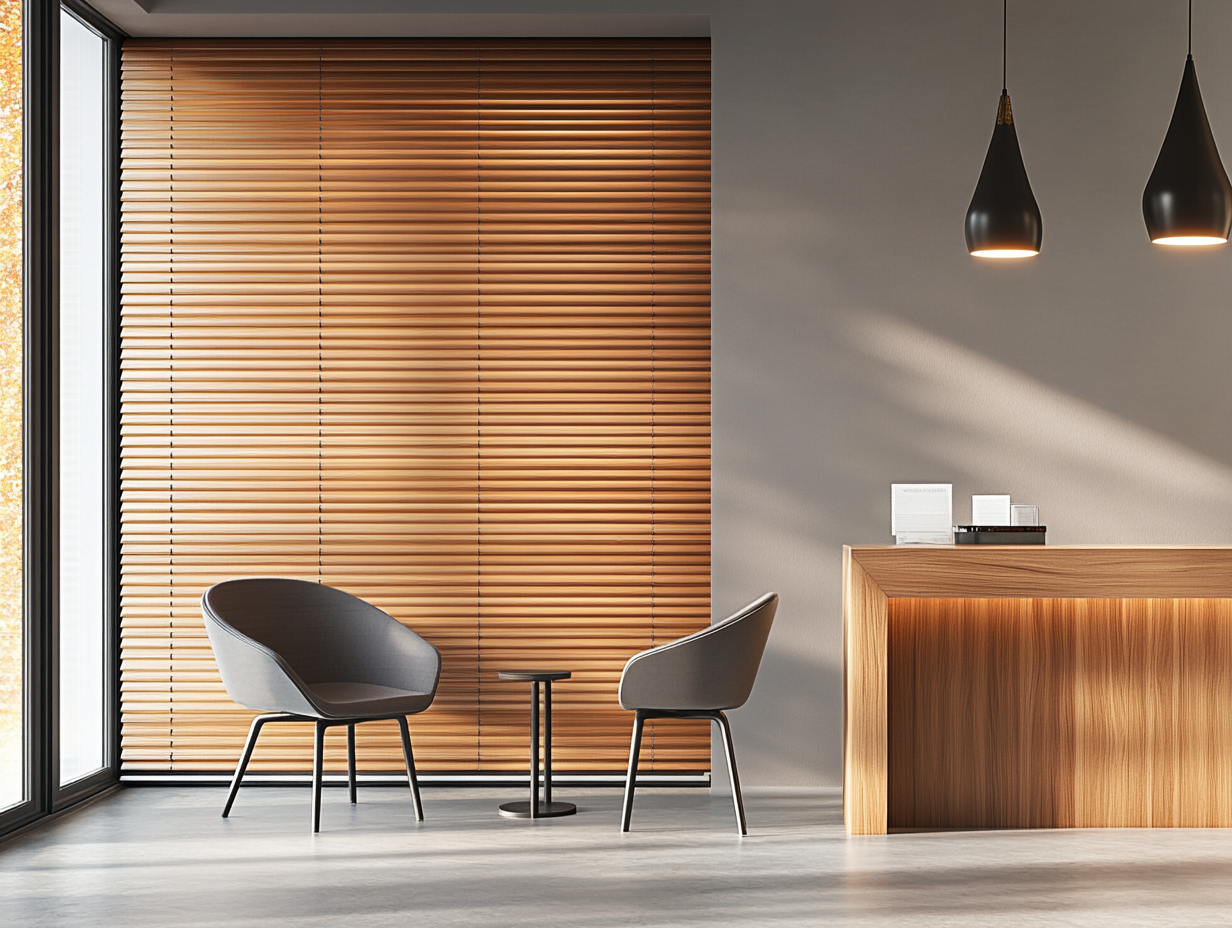
Wooden Acoustic Panels: Silence the Sounds That Stress You Out
In today’s fast-paced world, unwanted noise is more than just an annoyance; it’s a significant contributor to stress, reduced productivity, and even health problems. From the constant hum of city life to the echoing chatter in a busy office, disruptive sounds can impact your well-being. Fortunately, there’s an elegant and effective solution: wooden acoustic panels. Combining timeless aesthetics with cutting-edge sound absorption technology, these panels offer a sophisticated way to transform noisy environments into havens of peace and tranquility.
The Science of Sound Absorption: Taming the Echo
To understand how wooden acoustic panels work, it’s essential to grasp the basics of sound absorption. Sound travels in waves, bouncing off hard surfaces like walls, ceilings, and floors. This reflection creates reverberation, the phenomenon that causes echoes and muddy audio. Acoustic panels, unlike reflective surfaces, are designed to absorb sound waves, reducing their energy and preventing them from bouncing back into the room. They achieve this through a combination of porous materials and carefully engineered designs.
Wooden acoustic panels typically consist of a wood veneer or surface treatment adhered to a core material, often fiberglass, mineral wool, or recycled polyester fibers. The porous nature of these core materials allows sound waves to penetrate the panel. As the waves travel through the material, friction converts the sound energy into heat, effectively diminishing the reverberation and improving overall sound quality. The specific design of the panel, including the size and spacing of perforations or grooves, further enhances its sound absorption capabilities, targeting specific frequencies to optimize performance.
Benefits Beyond Noise Reduction: Why Choose Wooden Acoustic Panels?
While noise reduction is the primary benefit, wooden acoustic panels offer a range of advantages that make them a superior choice compared to other acoustic solutions:
- Aesthetic Appeal: Unlike bulky or industrial-looking soundproofing options, wooden acoustic panels add warmth, sophistication, and visual interest to any space. They are available in a wide variety of wood species, finishes, and designs, allowing you to seamlessly integrate them into your existing décor.
- Improved Speech Intelligibility: By reducing reverberation, wooden acoustic panels enhance speech clarity, making conversations easier to understand and presentations more engaging. This is particularly beneficial in conference rooms, classrooms, and home theaters.
- Enhanced Privacy: In open-plan offices and shared living spaces, acoustic panels can create a sense of privacy by reducing sound bleed between areas. This helps to minimize distractions and create a more focused and comfortable environment.
- Sustainable and Eco-Friendly Options: Many wooden acoustic panels are made from sustainably sourced wood and recycled materials, making them an environmentally responsible choice. Look for panels certified by organizations like the Forest Stewardship Council (FSC) to ensure responsible sourcing.
- Easy Installation: Wooden acoustic panels are relatively easy to install, often requiring only basic tools and hardware. They can be mounted on walls or ceilings using adhesive, screws, or clips, depending on the specific panel design and application.
- Increased Property Value: Investing in acoustic improvements can increase the value of your property by making it more desirable to potential buyers or renters. A quiet and comfortable living or working space is a significant selling point.
Choosing the Right Wooden Acoustic Panel: Factors to Consider
Selecting the right wooden acoustic panel requires careful consideration of several factors:
- Room Size and Acoustics: Larger rooms with hard surfaces will require more acoustic treatment than smaller rooms with softer furnishings. Assess the existing acoustic properties of the space to determine the optimal amount of panel coverage.
- Frequency Range: Different panels are designed to absorb different frequency ranges. Consider the types of sounds you want to reduce. For example, low-frequency sounds like bass require thicker panels with deeper cavities.
- Panel Thickness and Density: Thicker and denser panels generally offer better sound absorption than thinner and less dense panels.
- NRC Rating: The Noise Reduction Coefficient (NRC) is a measure of a material’s ability to absorb sound. A higher NRC rating indicates better sound absorption. Choose panels with an NRC rating that is appropriate for your specific needs.
- Aesthetic Preferences: Select panels that complement your existing décor and create the desired ambiance. Consider the wood species, finish, and design of the panels.
- Budget: Wooden acoustic panels range in price depending on the materials, design, and performance. Set a budget and compare different options to find the best value.
- Fire Rating: For commercial applications, ensure that the panels meet the required fire safety standards.
Applications in Various Spaces: From Home to Office
Wooden acoustic panels are versatile and can be used in a wide range of applications:
- Home Theaters: Improve the sound quality of your home theater by reducing reverberation and enhancing speech clarity.
- Recording Studios: Create a professional recording environment with accurate and balanced acoustics.
- Offices: Reduce noise distractions and improve productivity in open-plan offices and conference rooms.
- Restaurants and Bars: Create a more comfortable and inviting atmosphere by reducing background noise.
- Classrooms: Enhance speech intelligibility and improve learning outcomes.
- Living Rooms and Bedrooms: Create a more peaceful and relaxing living environment.
- Gymnasiums and Sports Facilities: Reduce echoes and improve speech clarity in large, reverberant spaces.
Installation Tips and Tricks: Achieving Optimal Performance
While installation is generally straightforward, following these tips can help you achieve optimal performance:
- Plan Your Layout: Carefully plan the placement of the panels to maximize their effectiveness. Focus on areas where sound reflections are most prominent, such as walls opposite speakers or directly above seating areas.
- Use a Level: Ensure that the panels are installed level and plumb for a professional look.
- Consider Spacing: Leaving small gaps between panels can sometimes improve their performance by creating additional surface area for sound absorption.
- Use Appropriate Fasteners: Use fasteners that are appropriate for the type of wall or ceiling material you are attaching the panels to.
- Acoustic Adhesive: In some cases, acoustic adhesive can be used to improve the adhesion of the panels and reduce vibrations.
- Test and Adjust: After installation, test the acoustics of the room and make any necessary adjustments to the panel placement.
Conclusion: Invest in Your Well-being with Wooden Acoustic Panels
Wooden acoustic panels are a stylish and effective solution for reducing noise and improving sound quality in any space. By combining aesthetic appeal with superior sound absorption technology, they offer a unique and versatile way to create a more peaceful, productive, and enjoyable environment. Invest in your well-being and transform your space with the timeless elegance and acoustic benefits of wooden acoustic panels. Explore our wide selection of panels today and discover the perfect solution for your needs.