
Natural Wooden Acoustics Solutions
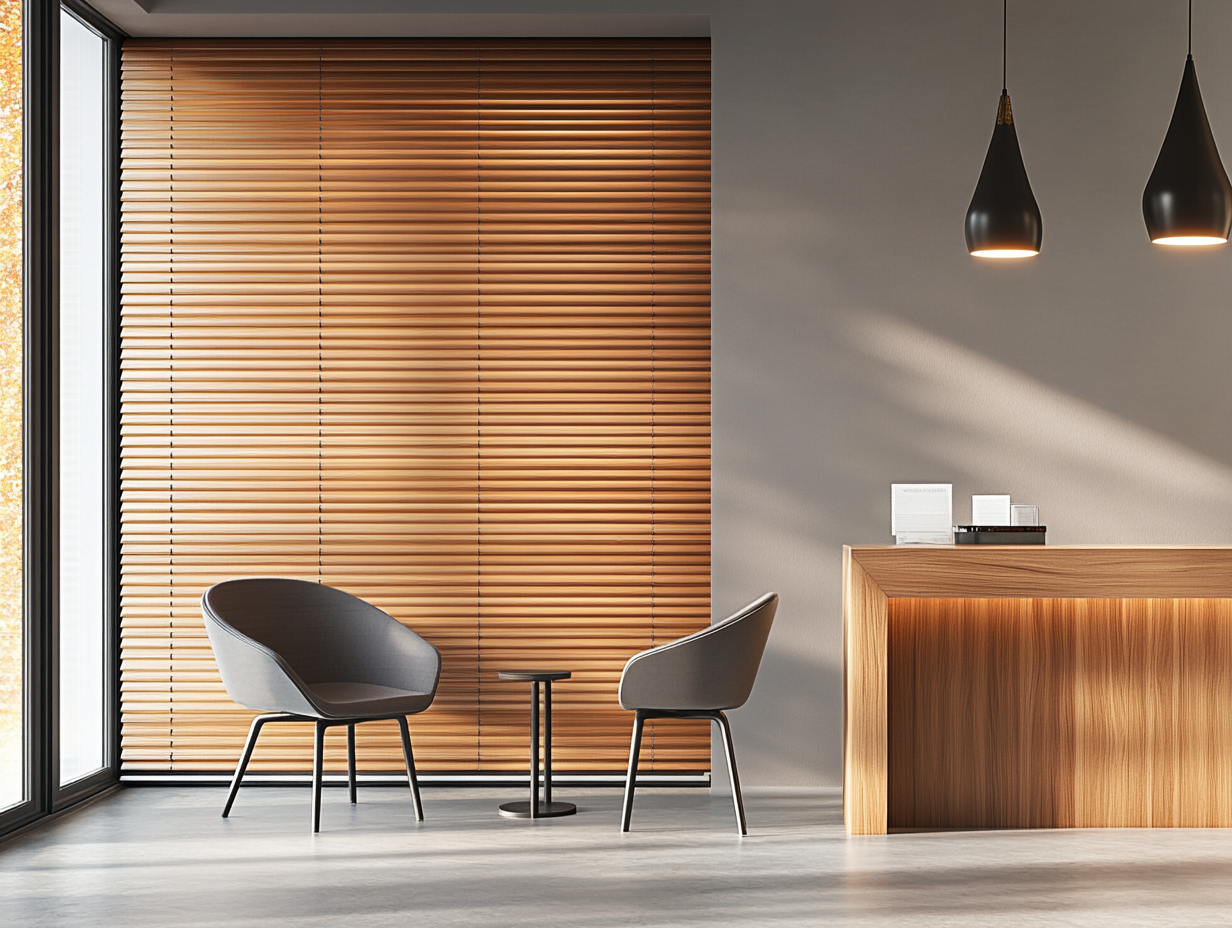
In today’s fast-paced world, noise pollution is a constant companion. From bustling city streets to echoing office environments, unwanted sounds can significantly impact our focus, productivity, and overall wellbeing. But what if you could reclaim your space and create an oasis of tranquility? Wooden acoustic panels offer a stylish and effective solution to combat noise and cultivate a more serene atmosphere.
<h3> Why Wooden Acoustic Panels? Beauty Meets Functionality </h3>Acoustic panels aren’t a new concept, but wooden acoustic panels bring a unique blend of aesthetic appeal and superior performance to the table. Unlike traditional, often sterile-looking acoustic solutions, wooden panels add warmth, texture, and visual interest to any interior. They seamlessly integrate into diverse design styles, from minimalist modern to rustic chic. But their beauty is more than skin deep. The carefully engineered designs, combined with the natural sound-absorbing properties of wood, make them highly effective at reducing reverberation and echo.
<h3> How Wooden Acoustic Panels Work: The Science Behind the Silence </h3>Wooden acoustic panels typically consist of a perforated or slotted wooden surface backed by a sound-absorbing material, often mineral wool or recycled felt. When sound waves encounter the panel, they pass through the perforations or slots and are absorbed by the backing material. This process reduces the amount of sound reflected back into the room, minimizing reverberation and echo. The size, shape, and spacing of the perforations or slots, along with the type and thickness of the backing material, are carefully calibrated to optimize sound absorption across a wide range of frequencies. The natural cellular structure of wood itself also contributes to its acoustic performance, further dampening sound waves.
<h3> Benefits Beyond Noise Reduction: The Ripple Effect of Wellbeing </h3>The benefits of wooden acoustic panels extend far beyond simply reducing noise. A quieter environment leads to:
Improved Focus and Productivity: By minimizing distractions, acoustic panels create a more conducive environment for concentration, boosting productivity in offices, classrooms, and home workspaces.
Reduced Stress and Anxiety: Constant exposure to noise can trigger the release of stress hormones. Creating a more peaceful environment helps lower stress levels and promotes relaxation.
Enhanced Communication: In restaurants, conference rooms, and other shared spaces, reducing reverberation improves speech intelligibility, making it easier to communicate and collaborate.
Increased Privacy: Acoustic panels can help contain sound within a specific area, providing greater privacy for conversations and activities.
Improved Aesthetic Appeal: As mentioned earlier, wooden acoustic panels add warmth and visual interest to any space, enhancing the overall ambiance.
<h3> Choosing the Right Wooden Acoustic Panels: A Guide to Selection </h3>Selecting the right wooden acoustic panels for your needs requires careful consideration of several factors:
Acoustic Performance: Determine the specific noise reduction requirements of your space. Different panel designs and materials offer varying levels of sound absorption. Consult with acoustic professionals for expert advice.
Aesthetic Preferences: Choose panels that complement your existing interior design. Consider the wood species, finish, perforation pattern, and overall style.
Panel Size and Thickness: The size and thickness of the panels will affect their acoustic performance and visual impact.
Installation Method: Consider the ease of installation. Some panels are designed for easy DIY installation, while others require professional installation.
Budget: Wooden acoustic panels range in price depending on the materials, design, and performance. Set a budget and explore options that meet your needs within that range.
Sustainability: Opt for panels made from sustainably sourced wood and eco-friendly backing materials.
<h3> Applications Across Industries: Where Wooden Acoustic Panels Shine </h3>Wooden acoustic panels are versatile and can be used in a wide range of applications, including:
Offices: Creating quieter and more productive workspaces.
Restaurants: Improving speech intelligibility and creating a more enjoyable dining experience.
Schools and Universities: Enhancing learning environments and reducing distractions in classrooms and lecture halls.
Healthcare Facilities: Promoting relaxation and reducing stress in patient rooms and waiting areas.
Home Theaters: Optimizing sound quality and creating an immersive entertainment experience.
Residential Spaces: Reducing noise and creating a more peaceful and comfortable home environment.
Recording Studios: Achieving accurate sound reproduction and minimizing unwanted reflections.
<h3> Installation Tips: Maximizing the Impact of Your Wooden Acoustic Panels </h3>Proper installation is crucial for maximizing the acoustic performance of your wooden panels.
Identify Problem Areas: Determine the areas in your space that generate the most noise or experience the most reverberation.
Panel Placement: Strategically place panels to absorb sound reflections at key points. Consider wall and ceiling placement for optimal coverage.
Follow Manufacturer Instructions: Carefully follow the manufacturer’s instructions for installation.
Professional Assistance: If you are unsure about the installation process, consider hiring a professional installer.
<h3> Invest in Silence, Invest in Wellbeing </h3>Wooden acoustic panels are more than just a soundproofing solution; they are an investment in your wellbeing. By creating quieter, more comfortable, and visually appealing spaces, they enhance focus, reduce stress, and improve overall quality of life. Explore the possibilities and transform your environment with the natural beauty and acoustic performance of wooden acoustic panels.