
Natural Wooden Acoustics Solutions
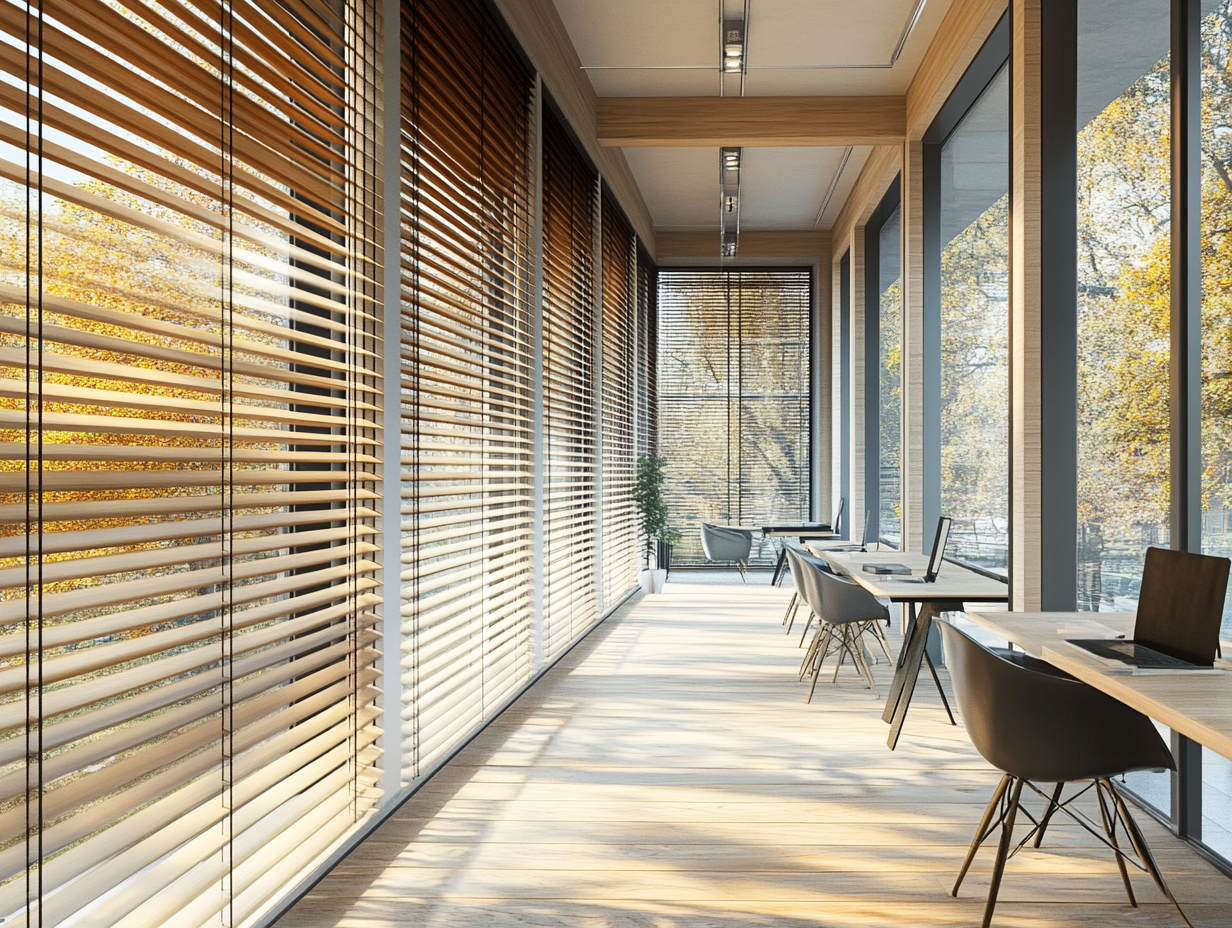
Acoustic comfort. It’s a phrase that may not immediately spring to mind when thinking about interior design, but it’s a crucial element for well-being and productivity. Imagine trying to focus in a bustling cafe, conduct a meeting in a echoing conference room, or simply relax in a living room where every sound bounces off hard surfaces. Poor acoustics lead to distractions, fatigue, and even stress. We often overlook the importance of sound control until we experience its absence. Achieving the right acoustic environment is an art, and increasingly, designers and homeowners are turning to a natural and aesthetically pleasing solution: wooden acoustic panels.
Wooden acoustic panels aren’t just attractive; they are engineered to effectively manage sound. The beauty lies in their ability to absorb sound waves, preventing echoes and reverberation. This is achieved through a combination of factors. Firstly, the porous nature of wood allows it to naturally absorb some sound energy. Secondly, the panel design, often incorporating strategically placed perforations or slots, significantly increases the surface area available for sound absorption. These perforations act as Helmholtz resonators, trapping and dissipating sound energy at specific frequencies. Different perforation patterns and depths can be tailored to target particular frequency ranges, allowing for customized acoustic solutions. Behind the decorative wood surface, an acoustic backing material, such as mineral wool or acoustic felt, further enhances sound absorption. This layered approach maximizes the panel’s effectiveness in creating a balanced and comfortable acoustic environment.
The versatility of wooden acoustic panels is a major draw for architects, interior designers, and homeowners alike. They seamlessly integrate into a wide range of design styles, from minimalist modern to rustic traditional. The variety of wood species available, including oak, walnut, maple, and cedar, allows for a perfect match to existing décor or a bold statement piece.
Panel styles vary widely, from sleek, flat panels to textured, three-dimensional designs. Perforated panels offer a subtle, understated look, while slatted panels create a more visually dynamic effect. Furthermore, wooden acoustic panels can be customized in terms of size, shape, finish, and color, providing unparalleled design flexibility.
Applications for wooden acoustic panels are equally diverse. They are ideal for:
Home Theaters: Enhancing the cinematic experience by minimizing reflections and creating immersive sound.
Living Rooms: Reducing echo and creating a more relaxing and conversational space.
Offices and Conference Rooms: Improving speech intelligibility and reducing distractions, boosting productivity.
Restaurants and Cafes: Creating a more pleasant dining experience by controlling noise levels.
Schools and Libraries: Minimizing distractions and creating a conducive learning environment.
Recording Studios: Ensuring accurate sound reproduction for professional recordings.
In an age where sustainability is paramount, wooden acoustic panels offer an environmentally responsible choice. When sourced from sustainably managed forests, wood is a renewable and carbon-neutral material. Furthermore, wood is a natural and non-toxic material, contributing to a healthier indoor environment. Many manufacturers are now offering panels made from recycled wood fibers or incorporating eco-friendly acoustic backing materials, further minimizing their environmental impact. Choosing wooden acoustic panels is not just about improving sound quality; it’s about making a conscious decision to support sustainable practices and create healthier spaces.
Installing wooden acoustic panels is generally a straightforward process, especially with the various mounting options available. Panels can be directly adhered to walls or ceilings using construction adhesive, or they can be mounted using Z-clips or other mechanical fasteners for a more secure and removable installation.
Maintenance is equally simple. Regular dusting with a soft cloth is usually sufficient to keep the panels clean. For more stubborn stains, a mild soap and water solution can be used. It’s important to avoid harsh chemicals or abrasive cleaners that could damage the wood finish. With proper care, wooden acoustic panels can maintain their beauty and acoustic performance for years to come.
Wooden acoustic panels are more than just a design trend; they are a long-term investment in comfort, productivity, and well-being. By effectively managing sound, they create more enjoyable and functional spaces. Their aesthetic appeal, combined with their eco-friendly attributes, makes them a versatile and responsible choice for any environment. When considering your next interior design project, don’t underestimate the power of acoustic comfort. Wooden acoustic panels offer a beautiful and effective solution for creating spaces that sound as good as they look.