
Natural Wooden Acoustics Solutions
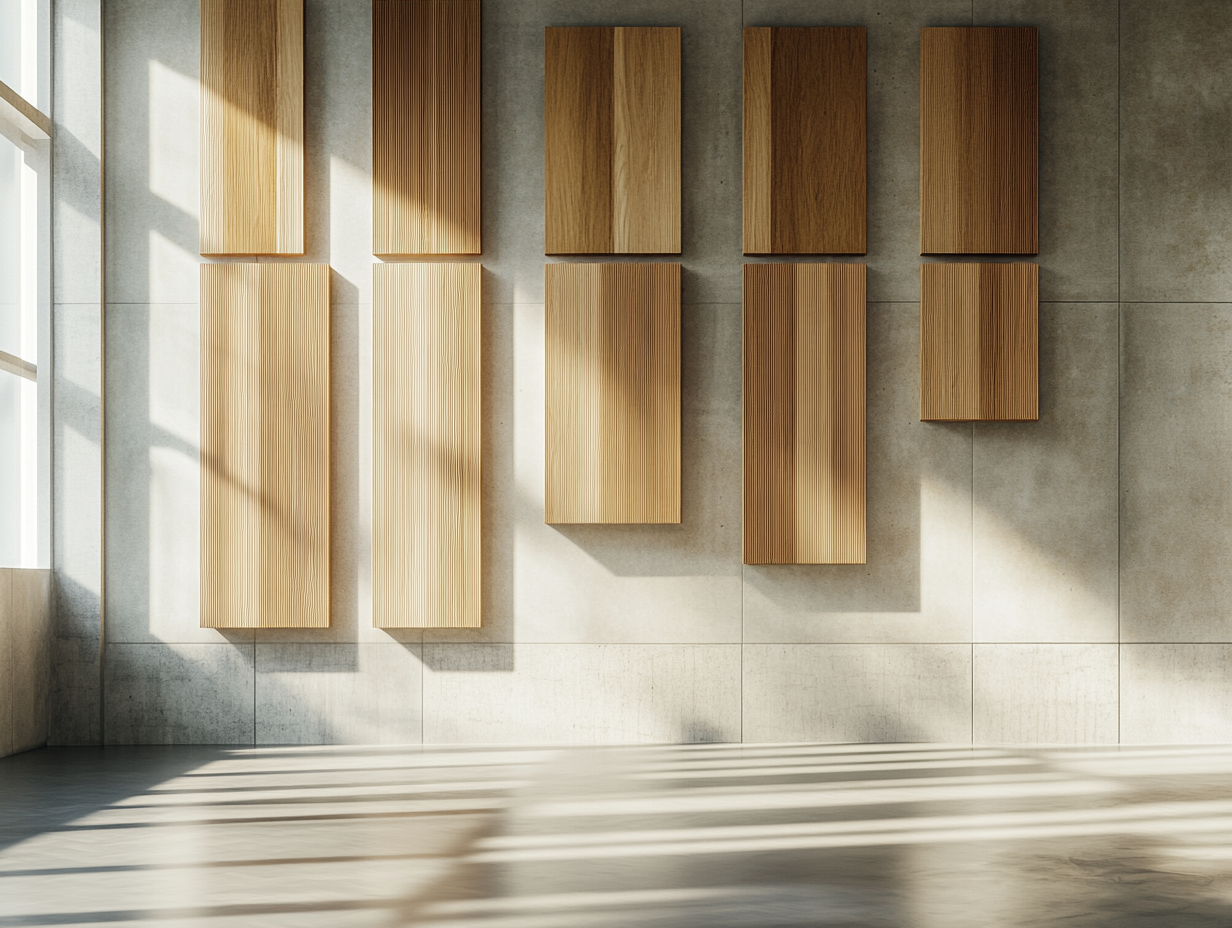
Wooden Acoustic Panels: The Natural Sound Solution for Modern Spaces
In today’s design landscape, spaces are often characterized by clean lines, minimalist aesthetics, and the extensive use of hard, reflective surfaces like glass, concrete, and metal. While visually striking, these materials frequently contribute to poor acoustics, resulting in echoes, reverberation, and an overall unpleasant auditory experience. Wooden acoustic panels offer a beautiful and effective solution, seamlessly blending form and function to create environments that are both visually appealing and sonically balanced. They represent a shift towards prioritizing well-being and productivity by addressing the often-overlooked importance of sound.
Wood, inherently a natural absorber of sound, possesses unique properties that make it ideally suited for acoustic applications. Its porous structure helps to dissipate sound waves, reducing unwanted reflections and creating a more comfortable and controlled sound environment. Unlike synthetic materials, wood offers a warm, organic aesthetic that complements a wide range of architectural styles. Furthermore, responsible sourcing of wood ensures sustainability, making it an environmentally conscious choice for your acoustic needs.
The effectiveness of wooden acoustic panels hinges on several key design factors. Panel thickness, perforation patterns, and the inclusion of sound-absorbing backing materials all play a crucial role in determining the panel’s acoustic performance. Perforations, slots, or grooves on the panel surface increase the surface area available for sound absorption, allowing the panel to effectively capture and dissipate sound waves at a wider range of frequencies. The type and density of the backing material, typically a mineral wool or fiberglass insulation, further enhance the panel’s ability to absorb sound energy. Rigorous testing and analysis allow manufacturers to fine-tune these parameters to achieve specific acoustic goals.
One of the most compelling advantages of wooden acoustic panels is their design versatility. Available in a vast array of wood species, finishes, sizes, and perforation patterns, these panels can be seamlessly integrated into virtually any interior design scheme. From sleek, modern offices to rustic, cozy homes, wooden acoustic panels can enhance the aesthetic appeal of a space while simultaneously improving its acoustic properties. They can be installed on walls, ceilings, or even used as decorative dividers, offering a flexible and adaptable solution for a variety of acoustic challenges. The ability to customize the appearance of the panels ensures that they complement, rather than detract from, the overall design concept.
The application of wooden acoustic panels is incredibly diverse. In home theaters and listening rooms, they create an immersive audio experience by minimizing reflections and standing waves. In open-plan offices, they reduce noise distractions, promoting concentration and productivity. Restaurants and cafes benefit from improved speech intelligibility, creating a more pleasant dining atmosphere. Conference rooms and boardrooms equipped with wooden acoustic panels facilitate clear communication and reduce fatigue during meetings. Educational institutions, such as classrooms and lecture halls, can significantly improve learning environments by minimizing distractions and enhancing speech clarity. From residential to commercial settings, wooden acoustic panels provide a versatile solution for addressing a wide range of acoustic challenges.
The installation of wooden acoustic panels is typically straightforward and can be accomplished using a variety of methods, including adhesive mounting, mechanical fastening, or a combination of both. Proper installation is crucial to ensure optimal acoustic performance. Maintenance is equally simple, requiring only occasional dusting or wiping with a damp cloth. With proper care, wooden acoustic panels can provide years of reliable acoustic performance, making them a worthwhile investment in the long-term comfort and functionality of any space.
When selecting wooden acoustic panels, it’s important to consider the source of the wood. Opting for panels made from sustainably harvested wood ensures that you are making an environmentally responsible choice. Many manufacturers offer panels made from FSC-certified wood, which guarantees that the wood has been sourced from well-managed forests. By choosing sustainable options, you can contribute to the preservation of forests and support responsible forestry practices.
Wooden acoustic panels offer more than just sound control; they also enhance the aesthetic appeal of any space. The natural beauty of wood, combined with the wide range of available finishes and designs, allows you to create a visually stunning and acoustically balanced environment. Whether you prefer the warmth of natural wood tones or the sleek sophistication of painted panels, wooden acoustic panels can add a touch of elegance and sophistication to your interior design.
Investing in wooden acoustic panels is an investment in the comfort, productivity, and overall well-being of the occupants of a space. By creating a more pleasant and controlled sound environment, you can improve focus, reduce stress, and enhance the overall quality of life. While the initial cost of wooden acoustic panels may seem significant, the long-term benefits far outweigh the investment. From improved productivity in the workplace to enhanced relaxation at home, the advantages of acoustic comfort are undeniable. Choosing wooden acoustic panels is a smart and sustainable way to create spaces that are both beautiful and functional.