
Natural Wooden Acoustics Solutions
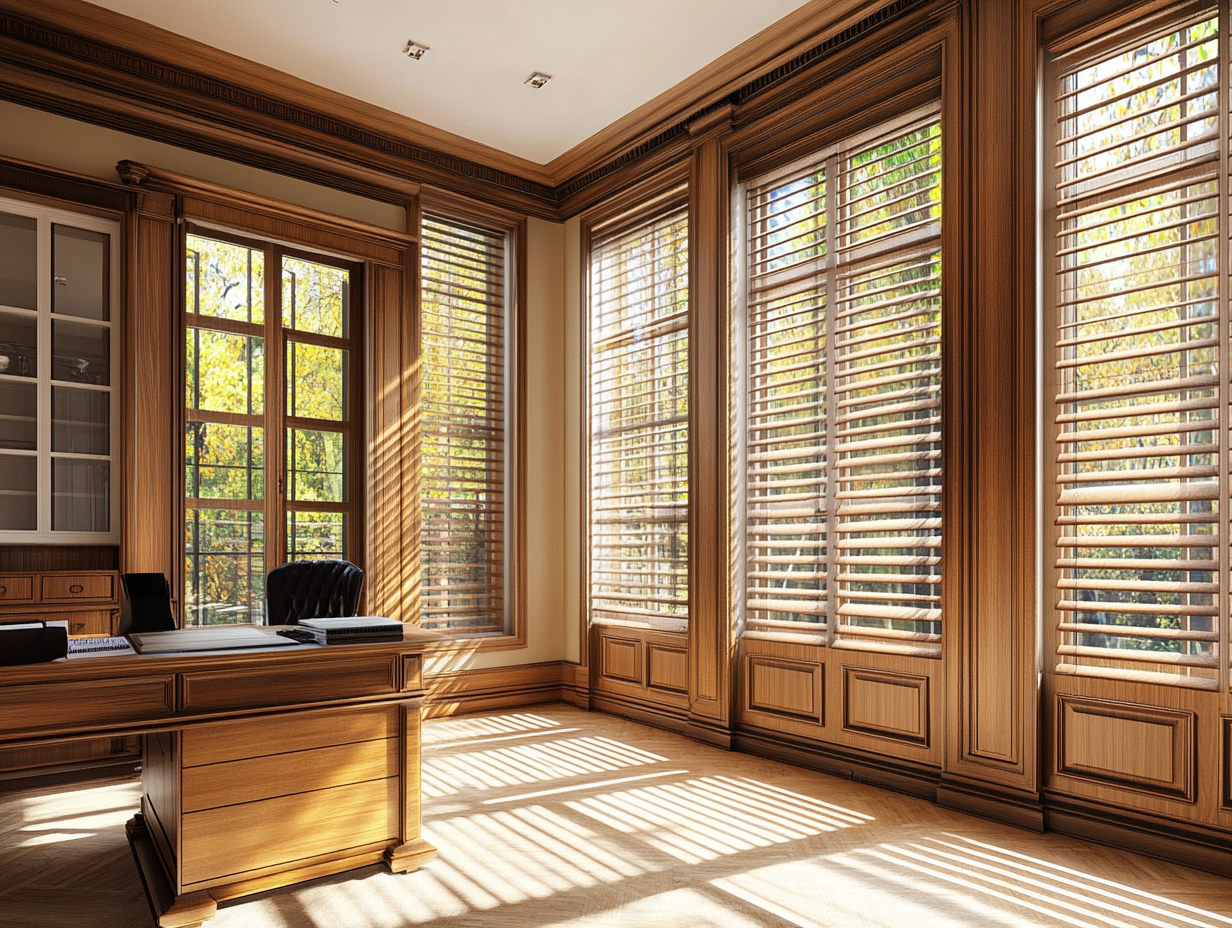
Wooden Acoustic Panels: The Silent Upgrade for a Healthier Home
We often think of pollution as something we can see – smog, litter, industrial discharge. But there’s another, less visible form of pollution that significantly impacts our health: noise. Constant exposure to excessive noise levels, even seemingly innocuous sounds within our homes, can contribute to stress, sleep disturbances, reduced concentration, and even long-term cardiovascular problems. Open-plan living, hard surfaces like tile and hardwood, and the echo of technology all contribute to an acoustically harsh environment within our homes. Before you reach for the sound-cancelling headphones, consider a more permanent and beautiful solution: wooden acoustic panels.
Wooden acoustic panels aren’t just aesthetically pleasing wall art; they’re engineered solutions designed to absorb and diffuse sound waves. Unlike bare walls that reflect sound, creating echo and reverberation, acoustic panels are constructed with sound-absorbing materials, often incorporating a combination of wood and a porous core. When sound waves encounter the panel, a significant portion of the energy is converted into heat through friction within the material, effectively dampening the sound and reducing overall noise levels. This isn’t about silencing your home; it’s about optimizing the sound environment for clarity, comfort, and well-being. Think of it as fine-tuning the acoustics of your living space.
While acoustic panels are available in various materials, wood offers a unique combination of performance and aesthetic appeal. Wooden acoustic panels bring the warmth and natural beauty of wood into your home while simultaneously improving sound quality. The natural grain patterns and textures of wood create a visually appealing element that complements any décor style, from modern minimalist to rustic farmhouse. Furthermore, wood is a sustainable and renewable resource, making it an environmentally conscious choice. The subtle variations in wood grain also contribute to sound diffusion, scattering sound waves to create a more balanced and natural sound field.
Investing in wooden acoustic panels is an investment in your health and well-being. The benefits extend far beyond simply reducing echo. By creating a more acoustically comfortable environment, you can experience:
Improved Sleep Quality: Reduced background noise allows for deeper, more restorative sleep.
Enhanced Concentration: A quieter environment makes it easier to focus on work, studies, or creative pursuits.
Reduced Stress Levels: Constant exposure to noise elevates stress hormones. Acoustic panels help create a calmer and more relaxing atmosphere.
Better Communication: Clearer acoustics make conversations easier and more enjoyable, especially in open-plan living spaces.
Increased Privacy: Acoustic panels can help reduce sound transmission between rooms, providing greater privacy for family members.
Selecting the right acoustic panels requires careful consideration of several factors. Room size, shape, and the type of activities taking place in the space will all influence the number and placement of panels needed. Consider the following:
Panel Size and Thickness: Larger and thicker panels generally offer better sound absorption.
Core Material: Different core materials, such as mineral wool or recycled cotton, have varying sound absorption coefficients.
Wood Species: While most wood species offer good acoustic performance, some may be denser and more effective at sound diffusion.
Mounting Method: Panels can be mounted directly to walls or suspended from ceilings, depending on the desired aesthetic and acoustic effect.
It’s often helpful to consult with an acoustic specialist or use an online acoustic calculator to determine the optimal panel configuration for your specific space.
Installing wooden acoustic panels is a relatively straightforward process that can be easily accomplished by a DIY enthusiast or a professional installer. Most panels come with simple mounting hardware, such as Z-clips or adhesive strips. The key is to plan the placement carefully, taking into account the areas where sound reflection is most problematic. Strategic placement, such as behind speakers or on opposing walls, can significantly improve the acoustic environment of a room.
Wooden acoustic panels are more than just a decorative element; they’re a functional and aesthetically pleasing solution for creating a healthier and more comfortable home. By reducing noise pollution and optimizing the acoustic environment, you can experience a range of benefits that contribute to improved sleep, reduced stress, and enhanced overall well-being. Invest in peace and quiet – invest in wooden acoustic panels.