
Natural Wooden Acoustics Solutions
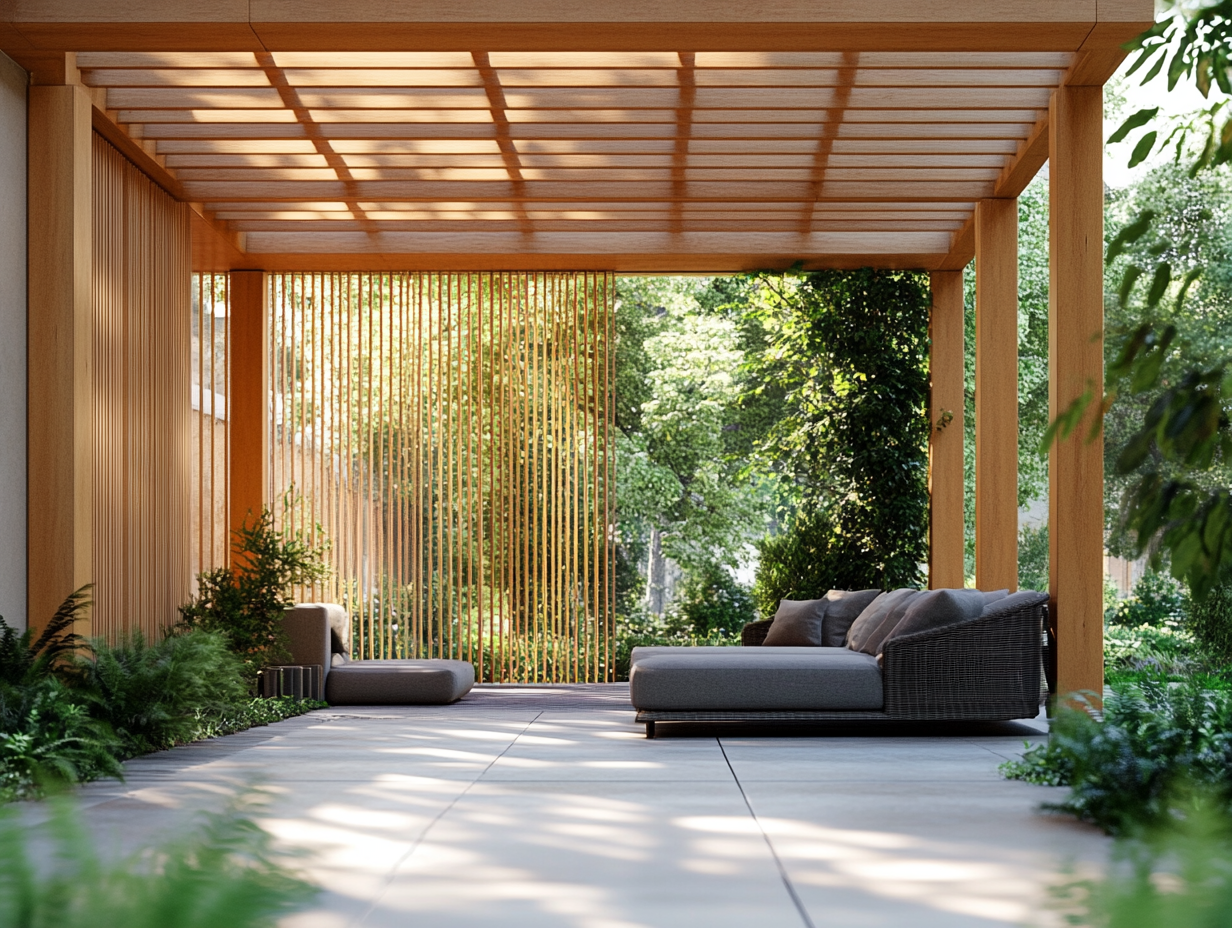
Wooden Acoustic Panels: Unlocking the Secrets to a Peaceful Home
In today’s fast-paced world, our homes should be havens of tranquility. Yet, often, they become echoes of the very chaos we’re trying to escape. Reverberation, echoing sounds, and general noise pollution can seep into our living spaces, impacting our well-being and diminishing our ability to relax, focus, or simply enjoy quiet moments. Before reaching for soundproofing solutions involving major structural changes, consider the powerful and aesthetically pleasing option of wooden acoustic panels. These panels offer a readily available path to enhancing your home’s acoustic environment and creating a truly peaceful sanctuary.
Sound, in essence, is energy traveling in waves. When these waves encounter hard surfaces like walls, ceilings, and floors, they bounce back, creating echoes and reverberation. This cluttered sound environment contributes to perceived loudness and makes it difficult to discern individual sounds clearly. Wooden acoustic panels work by absorbing a significant portion of these sound waves.
The key lies in the panel’s composition and design. Typically, they feature a porous core material (often mineral wool or fiberglass) encased in a decorative wooden veneer or slats. The porous material converts the sound energy into heat through friction, effectively dampening the reverberation. The wooden surface not only provides aesthetic appeal but also plays a role in diffusing the sound, preventing harsh reflections and creating a more balanced acoustic environment. Different wood types and perforation patterns can affect the absorption coefficient of the panel, meaning some are more effective at absorbing certain frequencies than others. This allows for customized acoustic solutions tailored to specific needs and room characteristics.
Gone are the days of bulky, unattractive soundproofing materials. Wooden acoustic panels seamlessly blend functionality and aesthetics, offering a design-forward solution to noise control. Available in a wide array of wood finishes, colors, and patterns, these panels can be easily integrated into any interior design scheme, from modern minimalist to rustic farmhouse.
Imagine a living room adorned with sleek, vertically slatted panels that not only enhance the room’s visual appeal but also eliminate unwanted echoes, making conversations clearer and movie nights more immersive. Or picture a home office featuring strategically placed panels in a warm, natural wood tone, promoting focus and concentration by reducing distracting background noise. Wooden acoustic panels offer the opportunity to improve your home’s sound quality without compromising on style.
The advantages of using wooden acoustic panels extend far beyond mere aesthetic appeal. Improved acoustics contribute significantly to:
Reduced Stress and Improved Relaxation: Eliminating distracting background noise and echoes creates a more calming and peaceful atmosphere, allowing you to relax and de-stress more effectively.
Enhanced Focus and Productivity: In home offices or study areas, acoustic panels can minimize distractions, improve concentration, and boost productivity.
Clearer Communication: Reducing reverberation makes conversations easier to understand, whether you’re hosting a dinner party or simply chatting with family.
Enhanced Audio Experience: For home theater enthusiasts, acoustic panels can dramatically improve the sound quality of your audio system, creating a more immersive and enjoyable experience.
Increased Property Value: While subjective, improvements that enhance the livability and comfort of your home can be a valuable asset when it comes time to sell.
While professional installation is always an option, many wooden acoustic panels are designed for relatively easy DIY installation. However, strategic placement is crucial to achieving optimal results. Key areas to consider include:
First Reflection Points: These are the points on the walls and ceiling where sound waves first reflect from your speakers or other sound sources. Placing panels at these points can significantly reduce unwanted reflections.
Areas Behind Speakers and Televisions: These areas can be prone to sound build-up, so adding panels can help to create a more balanced soundstage.
Large, Open Spaces: In rooms with high ceilings or large areas of hard surfaces, panels can help to reduce overall reverberation.
The number of panels required will depend on the size and shape of your room, as well as the specific acoustic issues you’re trying to address. Acoustic calculators and professional consultations are available to help you determine the optimal placement and quantity of panels for your space. Consider starting with a small number of panels and adding more as needed to achieve the desired acoustic effect.
For environmentally conscious homeowners, sustainable wooden acoustic panels are readily available. Look for panels made from responsibly sourced wood, recycled materials, and low-VOC adhesives. By choosing eco-friendly options, you can improve your home’s acoustics while minimizing your environmental impact. Many manufacturers offer certifications that verify the sustainability of their products, ensuring that you’re making a responsible purchase.
Wooden acoustic panels are more than just a design trend; they’re an investment in your well-being and the quality of your home life. By reducing noise pollution and creating a more peaceful and comfortable environment, these panels can transform your house into a true sanctuary. Explore the diverse range of options available and discover how wooden acoustic panels can unlock the secrets to a more serene and enjoyable home.